

|


|

This site
is mobile
responsive

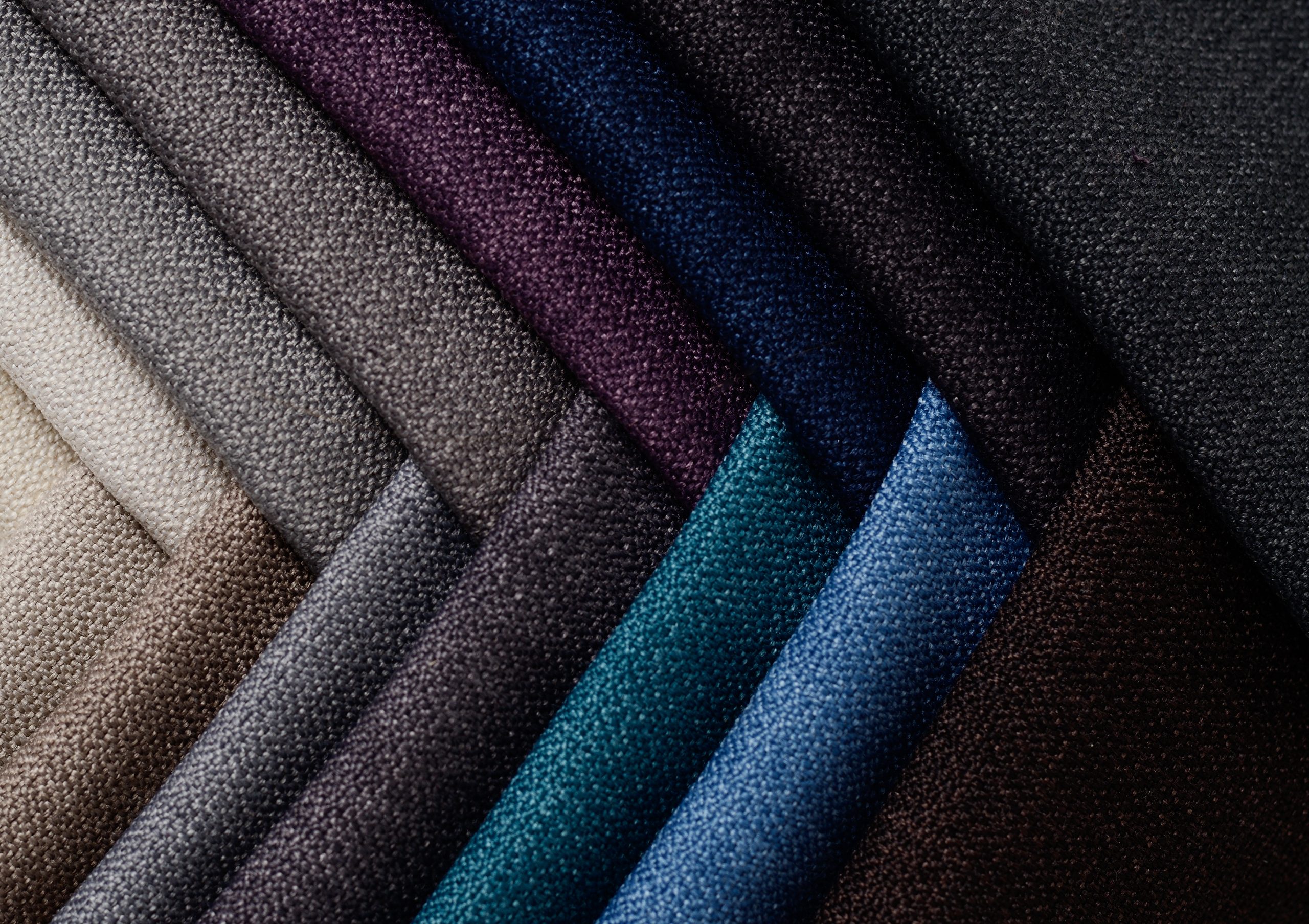
Textile and Apparels
The Malaysian textile manufacturing market is projected to expand from USD 3.49 billion in 2025 to USD 4.47 billion by 2030, reflecting a compound annual growth rate (CAGR) of 5.1%. This growth is attributed to the robust domestic textile and apparel industry, increasing disposable income, and changing fashion trends.
To stay competitive, Malaysian textile manufacturers are increasingly investing in automation and digitalization in their manufacturing facilities. The use of automation and digitalization in the textile industry has improved efficiency and precision while also paving the way for innovative advancements. Automation, robotics and software have been utilized to streamline processes, reduce waste, and enhance the overall quality of textile products. Overall, the adoption of automation and digitalization continues to redefine the manufacturing processes and set new standards for efficiency and innovation in the textile industry.
Textiles

Spinning

Weaving

Knitting
Apparels

Clothing
which includes made-up garments, Personal Protective Equipment (PPE) and accessories (labels, buttons, zippers, packaging, etc.)

Footwear
which includes boots, shoes, sandals, slippers and clogs

Leather
which is used to make a variety of articles/accessories including footwear, automobile seats, clothing, bags, book bindings, fashion accessories and furniture

Jewellery
which includes decorative items worn for personal adornment made up of jewellery or precious metals, and costume jewellery such as brooches, rings, necklaces, earrings, pendants, bracelets and cufflinks.

Federation of Malaysian Fashion,
Textile & Apparel Industrial
Ramatex Textiles
Industrial Sdn. Bhd

Recron Malaysia Sdn Bhd

Jin Huo Gold & Jewellery
Industries (Malaysia) Sdn Bhd

Habib Jewels Sdn. Bhd.
Bonia Corporation Berhad

Fibertex Nonwovens Sdn Bhd

Penfabric Sdn Bhd

Bata (Malaysia) Sdn Bhd
The Federation of Malaysian Fashion, Textiles and Apparels (FMFTA) was launched in collaboration with MIDA in 2019, in line with Malaysia’s initiative to accelerate the adoption of Industry 4.0.
The federation was established as a response to the advent of technologies such as the Internet of Things (IoT), Artificial Intelligence (AI), digital printing, cloud computing and system integration that have impacted both the front end as well as the back end of the textiles and apparels industry.
The FMFTA has the following objectives:
Leather Products
The global leather goods market size is estimated at USD 317.91 billion in 2025, and is expected to reach USD 392.39 billion by 2030, at a CAGR of 4.3% during the forecast period (2025-2030).
The market is primarily driven by rising consumer disposable income, improved living standards, changing fashion trends, and growing domestic and international tourism. The rising demand for comfortable, trendy, and fancy leather apparel, footwear, and accessories, along with growing brand awareness, is expected to have a positive impact on the leather goods market.
In the clothing industry, there is an increased use of leather due to its durable nature and premium appearance, which make it an excellent choice for clothing production. This is one of the major factors driving the uptake of leather in the market at the moment. Furthermore, leather goods are becoming increasingly popular as a result of fashion shows that showcase leather goods like jackets, shoes, bags, and other accessories that are promoting leather goods in the forecast period.
Gold Jewellery
The global jewellery industry is valued at approximately USD 242.79 billion in 2025, up from USD 232.94 billion in 2024. The market is expected to continue its growth, driven by increasing demand for luxury goods, particularly in regions such as Asia-Pacific and North America. It is projected to reach around USD 343.90 billion by 2032, registering a compound annual growth rate (CAGR) of 5.10% over the forecast period.
The Russia–Ukraine war and the Middle East crisis continues to influence global gold prices, as prolonged uncertainty, inflationary pressures, and supply chain disruptions have strengthened gold’s position as a secure investment during periods of market volatility. This has had a direct impact on Malaysia’s jewellery industry, affecting production costs while reinforcing gold’s appeal as an investment-linked product. Despite these external pressures, the sector remains resilient, supported by Malaysia’s established manufacturing ecosystem and its continued position as a competitive destination for lifestyle industry investments.