

|


|

This site
is mobile
responsive
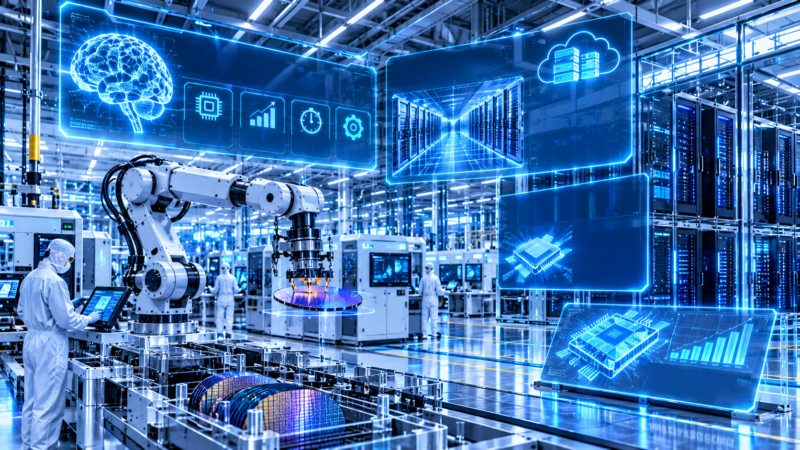
Malaysia’s machinery and equipment (M&E) industry is evolving from a supporting segment for larger manufacturing industries into a driver of innovation, industrial capability and export opportunities. Growing global demand for artificial intelligence (AI), data centre infrastructure, semiconductor equipment and factory automation is opening up new opportunities for Malaysian manufacturers to participate in more advanced manufacturing activities.
This shift matters because machinery and equipment play a central role in industrial competitiveness. The ability to design, manufacture, and integrate high-value systems enables industries to improve productivity, strengthen supply chains, and undertake more complex activities.
The growing opportunity is also reflected in Malaysia’s investment performance. In the first half of 2026 (1H 2026), Malaysia’s M&E industry secured RM7.5 billion in approved investments across 83 projects, representing 44.8% year-on-year growth. For the whole of 2025, the figure was RM11.0 billion.
AI, data centres and advanced chips are driving demand for precision machinery, automated inspection systems, semiconductor test equipment and advanced factory automation. Manufacturers also need engineering expertise to create customised solutions, as they invest in automation to improve operational efficiency, ease labour shortages and build resilient supply chains.
This presents a major opportunity for M&E companies. Malaysia is well placed to capture it, given its strong electronics and semiconductor base. Local companies can build on this by developing specialised machinery, integrating complex systems and delivering tailored engineering solutions, moving beyond equipment supply towards higher-value technology development.
Malaysia’s competitive edge lies in the diverse capabilities of its established industrial ecosystem. Precision machining, metal fabrication, industrial automation, system integration and high-value contract manufacturing capabilities are available across several industrial hubs, underpinned by a strong Engineering Supporting Industry (ESI) base.
Global equipment makers have recognised the strengths of Malaysia’s industrial ecosystem. Lam Research, Ferrotec, Besi, VAT, Bruker and Cohu, all operate here, and their presence helps integrate local suppliers into international supply chains. By meeting the standards of these global companies, local suppliers can improve manufacturing precision, strengthen documentation practices and develop more advanced technical capabilities.
Beyond supplying components or manufacturing to customer specifications, Malaysian companies have opportunities to strengthen their design and engineering capabilities, co-develop proprietary technologies, strengthen research and development and develop valuable intellectual property. These capabilities can help local companies differentiate themselves in international markets and achieve more sustainable business growth.
To support this transition, the Government introduced the Supply Chain Resilience Initiative (SCRI) to encourage local sourcing, address gaps in the industrial ecosystem and promote domestic investment. Through vendor development, strategic partnerships and targeted tax incentives, the initiative supports collaboration among eligible multinational corporations (MNCs), large local corporations and Tier-1 and Tier-2 suppliers.
Malaysian ambitions in advanced manufacturing are already taking shape through homegrown champions such as ViTrox, UWC, Greatech, Mi Technovation and Pentamaster. These companies demonstrate how Malaysian engineering expertise and innovation can meet the needs of increasingly demanding global markets.
ViTrox specialises in machine vision and automated inspection systems, while Mi Technovation develops semiconductor equipment and automation solutions. Greatech delivers turnkey factory automation systems capable of supporting complex manufacturing lines, while UWC continues to expand its high-precision integrated engineering capabilities. Pentamaster, meanwhile, provides specialised testing and automation solutions that support manufacturing yield and reliability.
Collectively, these companies demonstrate how Malaysian manufacturers are moving beyond traditional back-end processing towards delivering high-value, technology-intensive solutions for some of the world’s most demanding industries. Their progress also highlights opportunities for other Malaysian companies to develop their own technologies, build specialised expertise and compete in more advanced segments of global manufacturing.
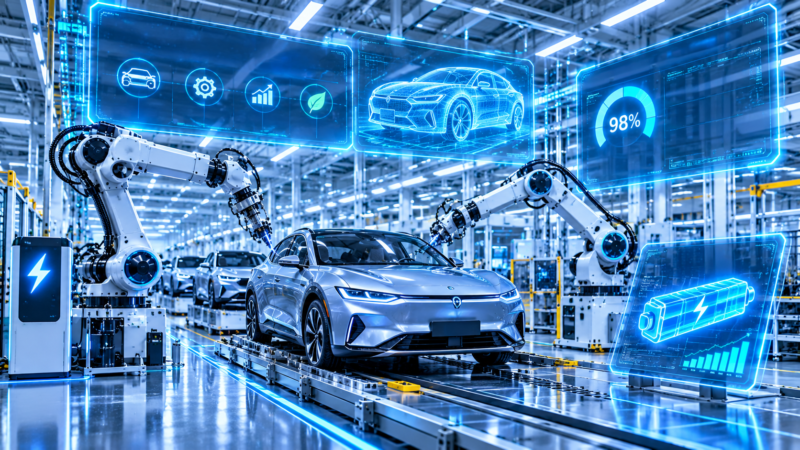
The benefits of these capabilities go beyond producing sophisticated machinery. As Malaysian manufacturers deepen their involvement in design, engineering and system development, they can capture greater value from their activities and reduce their reliance on cost-based competition.
Moving into higher-value activities also generates wider economic benefits. These include greater demand for skilled talent, stronger domestic supplier networks, expanded R&D capabilities, and opportunities for local engineers to develop specialised expertise. Over time, these capabilities can help Malaysia become more resilient, innovative and competitive in international markets.
This direction aligns with the objectives of the New Industrial Master Plan (NIMP) 2030, which seeks to strengthen Malaysia’s industrial capabilities and accelerate the transition towards higher-value manufacturing. For the M&E industry, progress will depend on sustained investment in talent development, technology adoption and innovation, alongside stronger collaboration between industry players and local suppliers.
Continued growth in the M&E industry requires a supportive business environment, clear policy direction and continued development of the industrial ecosystem. Key ministries and agencies, including MITI and MIDA, recognise the industry as a vital engine for Malaysia’s industrial transformation, particularly in the semiconductor, automation and advanced manufacturing value chains. At the state level, targeted infrastructure and cluster initiatives further strengthen local supply chain capabilities.
To grow and compete internationally, high-precision equipment manufacturers require more than market demand. They need a steady supply of skilled talent pipelines, support for R&D, strong vendor networks, and an environment that fosters continuous reinvestment and technological upgrading. Through initiatives such as the SCRI, which connects global technology leaders with local suppliers, Malaysia is strengthening capabilities to move beyond being suppliers towards becoming technology developers and innovation partners.

Malaysia has a strong opportunity to strengthen its position as one of ASEAN’s most prominent M&E hubs. The country already benefits from a strong electronics manufacturing foundation, a growing global reputation in semiconductor equipment, and a cluster of domestic manufacturers with rising international visibility. If this momentum is sustained, Malaysia will be well positioned to meet both domestic industrial needs and ASEAN’s growing demand for advanced machinery and automation solutions.
To achieve this vision, ongoing investment is essential in specialised engineering talent, digital transformation and supplier development. Equally important is strategic global positioning and branding to ensure Malaysian companies are recognised not just as manufacturers, but as high-value technology partners. By combining industrial depth with technical innovation and global market reach, the M&E industry can emerge as one of the country’s primary engines of future economic growth.
Malaysia’s M&E industry is therefore at an important stage of development. By building on its established industrial base, strengthening domestic capabilities and fostering closer collaboration between local companies and global industry players, the sector can contribute more significantly to national industrial growth. The continued progress of Malaysian M&E champions will be instrumental in positioning the country as a competitive source of advanced machinery, engineering solutions and manufacturing technologies for regional and global markets.
For more information, please contact the Machinery & Metal Technology Division at https://www.mida.gov.my/staffdirectory/machinery-metal-technology-division/
Explore other related content to further
explore MIDA’s insights.


