

|


|

This site
is mobile
responsive
Malaysia stands on the brink of a transformative leap in its automotive journey. With strategic policies, rising technological capabilities, and a maturing industrial ecosystem, the nation is positioning itself not only as a regional player but as a global automotive powerhouse. The shift is deliberate, innovation-driven, and firmly anchored in long-term national aspirations.
Malaysia’s strategic geographic location, strong manufacturing base, and established automotive ecosystem make it an ideal export hub. Over the years, the country has built extensive networks of automotive suppliers, skilled talent, and logistics infrastructure. These strengths now serve as the foundation for expanding Malaysia’s presence in international markets. The focus is to move beyond domestic demand and empower local industry players to become competitive regional and global exporters.
To drive sustainable growth, Malaysia is shifting its automotive focus toward greater localisation, advanced research and development (R&D), and stronger export orientation. Localisation not only reduces dependency on imported components but also enhances supply chain resilience, encourages knowledge transfer, and strengthens domestic vendors. Increased R&D investment, particularly in electric mobility, energy storage, and smart manufacturing, creates positive spill over to the broader Malaysian economy. This includes job creation, advancement of technical capabilities, and the rise of new supporting industries such as electronics, software engineering, and green technologies.
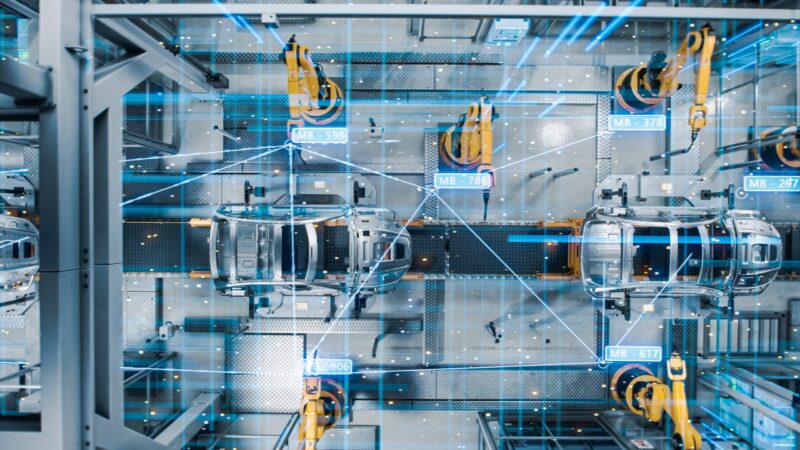
Malaysia is undergoing a significant transformation in its automotive landscape. The country is actively targeting high-value investments and strategic projects that align with global industry trends such as electrification, automation, and sustainability. These investments are carefully curated to support long-term industrial growth and strengthen Malaysia’s role in future mobility. This transformation signals a decisive move from traditional manufacturing toward advanced, technology-driven automotive production capable of serving both regional and global markets.
As international automotive vendors explore opportunities in Southeast Asia, Malaysia is encouraging them to form partnerships and joint ventures with capable local suppliers. Such collaborations accelerate technology transfer, enhance local competencies, and elevate the entire industry’s standards. These partnerships ensure that Malaysian vendors gain exposure to global best practices, access new technologies, and integrate seamlessly into international supply chains. Ultimately, this positions Malaysia as a more attractive destination for high-value investments.
For Malaysia to become a top-tier automotive hub, the emphasis must be on genuine value-added activities rather than simple “pass-through” or assembly-only operations. This means nurturing capabilities in engineering, design, testing, component innovation, and advanced manufacturing processes. By embedding more sophisticated stages of the value chain domestically, Malaysia strengthens its industrial depth and global competitiveness.
Malaysia’s national carmakers, namely Proton and Perodua, are positioned to play a crucial role in the country’s electric vehicle (EV) transition. As they introduce EV models, they generate demand for local components, new technologies, and specialised suppliers. Their shift towards electrification is vital in uplifting local vendors, enabling deeper participation in the EV value chain, and attracting other global original equipment manufacturers (OEMs) to Malaysia. The success of Proton and Perodua in EV development will help establish Malaysia as a competitive EV hub in ASEAN.
Not only have Malaysia’s national carmakers advanced the industry, but several prominent global OEMs have also strengthened their presence in the country. Chery, for instance, has established an assembly facility in Malaysia with aspirations to develop the nation into a regional R&D hub. Porsche has begun assembling plug-in hybrid electric vehicles (PHEVs) locally, with exports already reaching Thailand. Other international OEMs are similarly expanding their production and innovation activities in Malaysia. These developments further reinforce Malaysia’s position as a rising centre for advanced automotive manufacturing and technology.

MIDA assumes a pivotal role in orchestrating Malaysia’s automotive progress. As a bridge between industry, government, and global investors, MIDA focuses on:
Through active engagement and long-term strategic planning, MIDA ensures that Malaysia’s automotive development remains aligned with national aspirations and global trends. Malaysia’s journey to becoming the next automotive powerhouse is driven by strategic partnerships, a strong national agenda, and the collective drive to innovate. By emphasising value-added activities, strengthening local capabilities, embracing electrification, and attracting high-value investments, the country is charting a clear path toward global competitiveness.
MIDA actively organises high impact programmes to connect global Tier-1 suppliers and OEMs with local Malaysian vendors, facilitating technology transfer and joint ventures. In 2025, MIDA collaborated with PROTON/Geely, Chery, Jetour, Hyundai and Great Wall Motor through supply chain programmes and business matching sessions to address the localisation gap and move Malaysia up the automotive value chain.
With coordinated efforts from industry leaders and government agencies like MIDA, Malaysia is not only unlocking its automotive potential but is also shaping the future of mobility in Southeast Asia and beyond.
For more information, please contact The Transportation Technology Division, MIDA at https://www.mida.gov.my/staffdirectory/transportation-technology-division/ for expert insights and support.
Explore other related content to further
explore MIDA’s insights.