


|


|

This site
is mobile
responsive

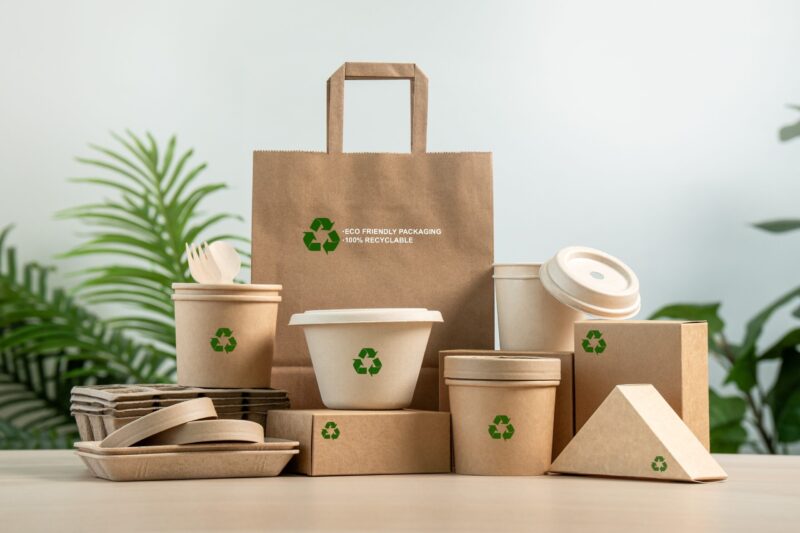
Packaging has evolved far beyond its traditional role as a protective container. Malaysia’s paper packaging industry is being reshaped as manufacturers respond to changing customer requirements and global sustainability expectations. As export-oriented industries expand, demand for innovative, functional and environmentally responsible paper packaging solutions is growing. This is encouraging manufacturers to invest in higher value-added products and advanced manufacturing capabilities.
The shift is also transforming manufacturing operations across the industry. Traditional labour-intensive processes are increasingly being replaced by smart manufacturing technologies. Automation, robotics, artificial intelligence (AI), the Internet of Things (IoT), digital monitoring and advanced quality control systems are now improving productivity, product consistency and operational efficiency. These technologies also enable manufacturers to meet increasingly stringent customer requirements. Manufacturers are also adopting environmentally responsible production practices by increasing the use of recycled materials, bio-based alternatives and low-carbon packaging solutions to meet growing sustainability expectations from global customers.
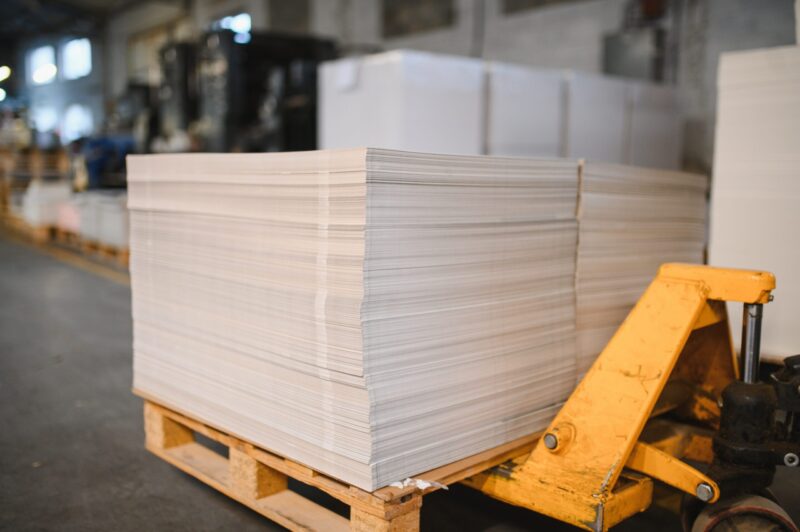
The transformation is taking place across the entire value chain, from the sourcing of raw materials to the production of finished packaging:
Widely regarded as a “never sunset” sector, the paper packaging industry serves as a critical catalyst supporting industry for many parts of the economy. Existing manufacturers are expanding to meet the requirements of MNCs and export-oriented manufacturers are seeking more sustainable packaging solutions. From 2020 to 2025, MIDA approved 26 expansion and diversification projects worth RM911.4 million, comprising RM561.7 million in foreign investments (FI) and RM349.7 million in domestic investments (DI).
This investment pattern shows that industry expansion is increasingly driven by changing customer needs, alongside manufacturers’ own business strategies. As MNCs and export-oriented manufacturers strengthen their sustainability commitments and product specifications, packaging suppliers are responding by introducing new paper-based packaging solutions, enhancing product functionality and improving manufacturing efficiency.
Jishan Group is one example of how Malaysian packaging manufacturers are moving up the value chain through innovation and sustainability. Established in 2000, the company has grown into one of Malaysia’s leading integrated packaging solution providers, serving industries including semiconductors, healthcare, food and beverage, industrial products and consumer goods.
Over the years, Jishan has expanded from corrugated cartons into sustainable paper packaging and moulded fibre products made from bagasse. The company has also invested significantly in automation, including Automated Storage and Retrieval Systems (ASRS), to improve warehouse capacity, inventory accuracy, and operational efficiency.
Moving forward, Jishan’s strategy will focus on driving growth through smart manufacturing, sustainable packaging, and integrated packaging solutions. The company will continue investing in Industry 4.0 technologies and automation to enhance productivity and operational efficiency. It will also expand its range of recyclable and eco-friendly packaging made from paper, bagasse, and recycled materials. By offering a comprehensive range of packaging solutions under one roof, the company aims to provide customers with a convenient one-stop solution. At the same time, it seeks to strengthen supply chain resilience while supporting customers’ sustainability goals.
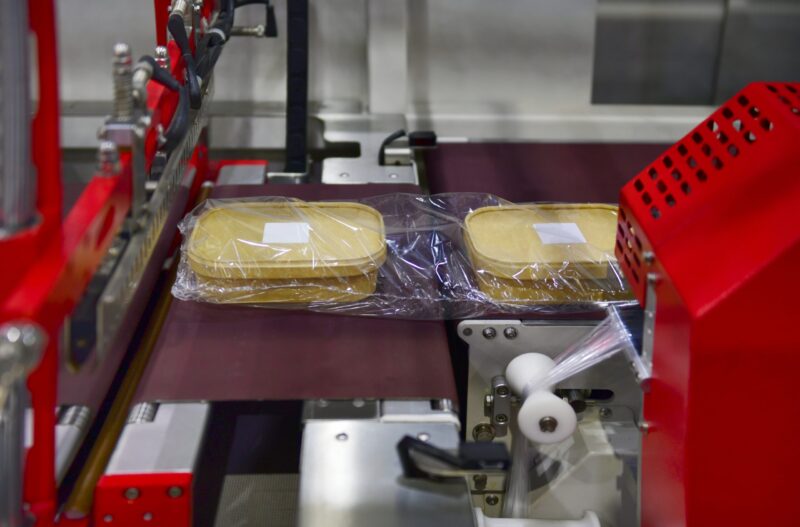
To support this ongoing transformation, the Government provides various incentives through MIDA. Companies investing in automation may benefit from the Automation Capital Allowance (Automation CA), which provides a 200% capital allowance on the first RM10 million of qualifying expenditure on automation, including Industry 4.0 technologies. Additionally, companies expanding their capacity and investment in Malaysia may qualify for Reinvestment Allowance (RA) under NIMP 2030 to boost productivity. Malaysia’s packaging industry is developing as a high-value sector driven by automation, sustainability, and innovation. As manufacturers continue to invest in smart technologies, responsible sourcing, and sustainable production practices, the industry is well-positioned to capture growing opportunities across global supply chains.
For further information, please contact the Food Technology and Resource-Based Industries Division, MIDA via the https://www.mida.gov.my/staffdirectory/food-technology-resource-based-industries-division/
Explore other related content to further
explore MIDA’s insights.