


|


|

This site
is mobile
responsive

Energy Storage Systems (ESS), particularly Battery Energy Storage Systems (BESS), are gaining traction in Malaysia as industries place greater emphasis on energy reliability and operational efficiency. Recent investment trends highlight the emergence of ESS as a growing segment within the country’s industrial ecosystem.
The sector initially gained momentum through domestic support, with ESS-related projects attracting nearly RM30 million in 2024. Building on this foundation, 2025 saw a notable shift as international players entered the fray, driving total investment to over RM800 million. This transition from local initiatives to large-scale foreign participation reflects a growing global confidence in Malaysia as a competitive hub for energy storage innovation.
This rapid increase in investment signals the growing importance of energy storage technologies in supporting modern industrial infrastructure, particularly for high-value sectors such as the electrical and electronics (E&E) industry.
Battery Energy Storage Systems (BESS) are designed to store electrical energy and discharge it when required, enabling more effective management of electricity supply and demand. Within industrial environments, BESS can serve multiple operational functions, including peak demand management, power quality stabilisation and backup power support.
For high-technology manufacturing industries where operations rely heavily on precision equipment and continuous production processes, a stable electricity supply is essential. Even short power disturbances or voltage fluctuations can result in production interruptions, equipment damage or product yield losses.
As Malaysia continues to attract investments in advanced manufacturing segments such as semiconductors, electronic components and integrated systems, industries are increasingly exploring energy storage solutions to strengthen operational resilience. BESS technologies allow manufacturers to store electricity during periods of lower demand and utilise it during peak consumption, improving energy efficiency while reducing exposure to electricity price volatility.
While ESS also plays a role in supporting renewable energy integration by storing excess electricity for later use, its adoption in Malaysia is increasingly driven by industrial energy management and grid reliability.
Several structural factors are encouraging the expansion of ESS investments in Malaysia:
1. Strengthening Industrial Energy Resilience
Malaysia’s industrial landscape is evolving towards more advanced and technology-intensive manufacturing activities. Semiconductor fabrication plants, electronics assembly facilities and data centres require highly stable and uninterrupted power supply to maintain precision manufacturing standards. ESS provides an additional layer of energy security by helping industries manage power fluctuations and reduce operational downtime.
2. Rising Electricity Demand from Digital Infrastructure
The rapid expansion of digital infrastructure, particularly data centres and high-performance computing facilities, is contributing to rising electricity demand. These facilities operate continuously and require reliable power systems to ensure uninterrupted operations. ESS solutions are increasingly being considered as part of integrated energy management strategies to support these energy-intensive industries.
3. Advancements in Battery and Power Electronics Technologies
Technological advancements in battery systems, improved energy density and declining battery costs have enhanced the commercial viability of ESS solutions. At the same time, innovations in battery management systems (BMS), inverters, sensors and energy management software have significantly improved the performance and scalability of modern battery storage technologies.
4. Malaysia’s Established E&E Ecosystem
Malaysia’s strong E&E industry provides a conducive environment for the development of ESS-related value chains. Battery energy storage systems rely on a range of components closely aligned with electronics manufacturing capabilities, including power semiconductors, control electronics, sensors, battery management systems and smart energy software.
With a robust electronics supply chain, a skilled engineering workforce and established manufacturing infrastructure, Malaysia is well-positioned to attract companies involved in ESS system integration, component manufacturing and supporting technologies.
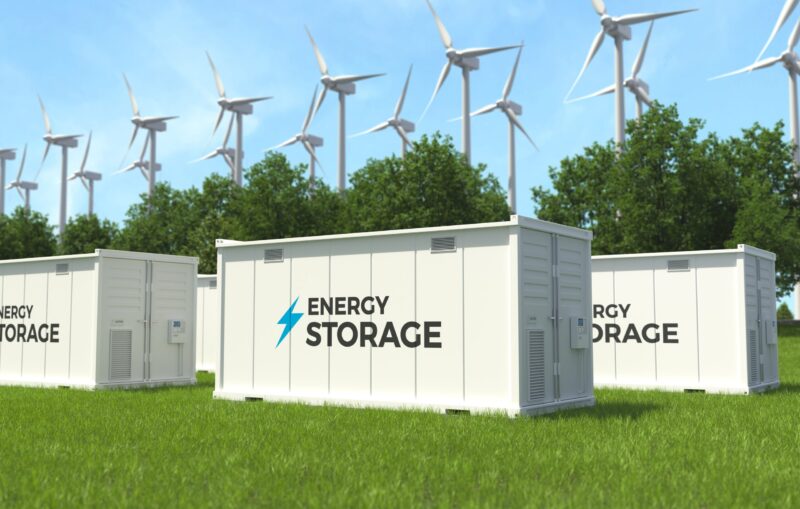
The growing adoption of ESS technologies presents opportunities for local companies to participate in emerging segments of the energy technology value chain. Malaysian firms involved in electronics manufacturing services (EMS), industrial electronics, automation solutions and power electronics may benefit from the increasing demand for components and system integration capabilities required in battery storage systems.
Foreign investments in ESS-related projects can also strengthen Malaysia’s technology ecosystem through knowledge transfer, supply chain expansion and collaboration with local industry players and research institutions. Over time, these developments may contribute to the growth of advanced energy technologies and smart energy management solutions within the country’s industrial landscape.
The development of ESS technologies is closely aligned with Malaysia’s broader industrial transformation agenda. As industries continue to adopt digitalisation, automation and smart manufacturing systems, the need for reliable and intelligent energy infrastructure will become increasingly important.
In this regard, the expansion of ESS investments supports the aspirations of the New Industrial Master Plan 2030 (NIMP 2030), particularly Mission 2: Tech Up for a Digitally Vibrant Nation and Mission 3: Pushing for Net Zero. By strengthening capabilities in advanced energy technologies such as battery storage systems, Malaysia can enhance its industrial competitiveness while supporting the transition towards lower-carbon manufacturing and the continued growth of its high-technology industries.
With growing investment momentum and increasing demand from advanced industries, ESS is poised to become an integral component of Malaysia’s future industrial infrastructure.
Beyond strengthening industrial energy resilience, the growth of ESS technologies also contributes to Malaysia’s long-term sustainability goals. Under the National Energy Transition Roadmap (NETR), energy storage is recognised as an important enabler in strengthening grid flexibility, improving energy efficiency and modernising the national power system.
As Malaysia continues to position itself as a hub for advanced manufacturing and high-technology industries, the development of energy storage capabilities will become increasingly important. With strong investment momentum and growing relevance within the E&E value chain, ESS is poised to become an important component of Malaysia’s future-ready and resilient industrial ecosystem.
For more information, please contact MIDA Electrical and Electronics Division at https://www.mida.gov.my/staffdirectory/electrical-electronics-division/
Explore other related content to further
explore MIDA’s insights.