


Domestic Manufacturing Investment Grows Strongly as the Sector Gains Momentum
● Overall investment performance: RM350.4 billion in approved investments from January to September 2026, up 20.7% year-on-year (y-o-y), across 4,387 projects expected to create 152,090 jobs.
● Foreign and domestic investments: FI totalled RM212.3 billion (60.6%), up 40.7% y-o-y. Domestic investments (DI) amounted to RM138.1 billion (39.4%), a marginal decrease of 1.0%.
● Investment by sector: Services sector RM219.1 billion (62.5%); manufacturing sector RM106.3 billion (30.3%); primary sector RM25.0 billion (7.1%).
● Top foreign investment sources1: The United States of America (RM60.0 billion), the People’s Republic of China (RM38.6 billion), Singapore (RM38.5 billion), Japan (RM24.4 billion), Australia (RM12.6 billion).
● Top investment destinations: Johor (RM99.7 billion), Selangor (RM87.9 billion), Pulau Pinang (RM41.1 billion), W.P. Kuala Lumpur (RM37.3 billion), Sabah (RM19.5 billion).
KUALA LUMPUR, 17 November 2026 – Malaysia recorded RM350.4 billion in approved investments across the services, manufacturing and primary sectors in the first nine months of 2026. The 4,387 projects are expected to create 152,090 jobs when fully implemented.
Approved investments were 20.7% higher than the RM290.3 billion recorded in the same period of 2025. Foreign investments (FI) accounted for RM212.3 billion, or 60.6% of the total. The United States of America was the largest foreign investment source at RM60.0 billion, with approvals rising more than fivefold from RM11.3 billion in 9M 2025.
The nine-month total represents 81.3% of the revised RM431.1 billion in approved investments for the whole of 2025. This performance reflects continued investment momentum in Malaysia.
Global economic growth is projected to moderate to 3.1% in 2026, from 3.5% in 2025, according to the IMF’s October 2026 World Economic Outlook. Against this backdrop, Malaysia’s economy expanded by an estimated 5.5% over the first nine months, compared to 4.8% in the same period last year, according to DOSM’s advance estimates. Exports also demonstrated robust momentum in 9M 2026, surging 34.0% to RM1.571 trillion, led by electrical and electronic (E&E) products. Strong global demand for semiconductors and components used in AI infrastructure has supported Malaysia’s export growth, reflecting the continued contribution of investments made over the years in the E&E industry.
WHO IS INVESTING IN MALAYSIA
Foreign investments (FI) rose 40.7% year-on-year to RM212.3 billion. Domestic investments (DI) totalled RM138.1 billion, a slight decline of 1.0% from the same period in 2025.
Despite the marginal decline in overall domestic investments, the manufacturing sector recorded strong growth of 82.7% to RM37.8 billion, while domestic investment in the primary sector increased by 345.2% to RM13.9 billion. These gains helped offset the decline in domestic services investments.
The United States of America led foreign investment sources with RM60.0 billion, followed by the People’s Republic of China (RM38.6 billion), Singapore (RM38.5 billion), Japan (RM24.4 billion), and Australia (RM12.6 billion). Together, these five sources contributed RM174.1 billion, or 82.0% of all approved FI.
These investments show Malaysia’s continued appeal to companies looking to diversify their operations across markets. Malaysia offers access to regional and global markets through 17 FTAs in force, including RCEP and CPTPP. Additional agreements with EFTA countries under MEEPA and with the Republic of South Korea are expected to widen that access further.
WHERE INVESTMENTS ARE GOING
The five leading investment destinations accounted for 81.5% of total approved investments: Johor RM99.7 billion, Selangor (RM87.9 billion), Pulau Pinang (RM41.1 billion), W.P. Kuala Lumpur (RM37.3 billion) and Sabah (RM19.5 billion).
Johor attracted RM68.3 billion in services, mainly in information and communications, and RM31.2 billion in manufacturing, led by electrical and electronics (E&E). Foreign investments made up RM81.4 billion of the state’s total approvals, or 81.7%, the highest foreign share among the five leading states. The Johor State Government has set up a council to screen data centre proposals, with focus on Tier 3 and Tier 4 facilities, consistent with the selective approval
approach of the Data Centre Task Force (DCTF). The state is also expected to benefit from Nexus Sedenak, located in the northern part of the Johor–Singapore Special Economic Zone, as announced in Budget 2027.
Selangor recorded RM87.9 billion in approved investments and led the country in both the number of projects (1,302) and expected jobs (34,971). Its performance was anchored by RM74.5 billion in services, supported by the established digital ecosystem across Cyberjaya and the Klang Valley.
Pulau Pinang attracted RM23.3 billion in manufacturing investments, generating an anticipated 26,643 new jobs—the highest manufacturing employment figure nationwide. Most of W.P. Kuala Lumpur’s approvals were in services, while Sabah recorded RM12.6 billion in manufacturing alongside RM6.7 billion in the primary sector.
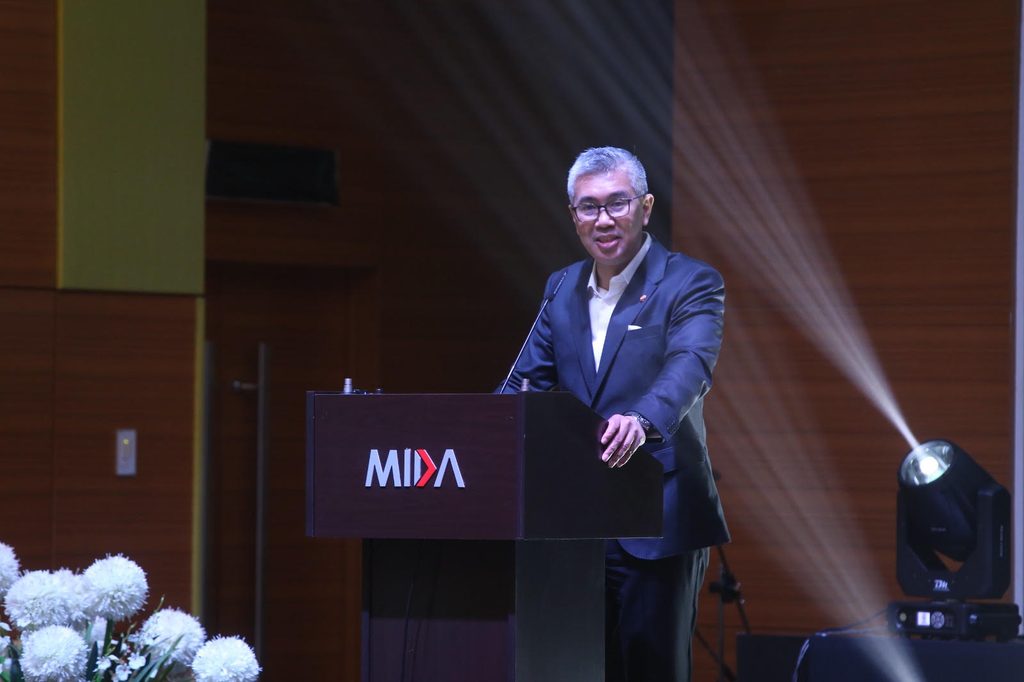
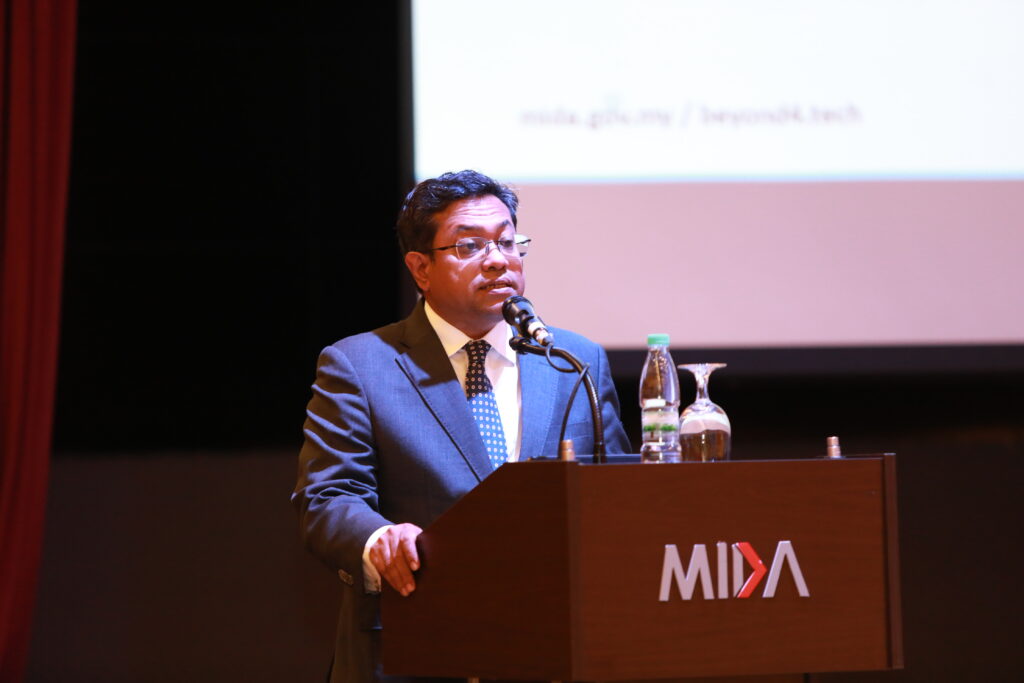
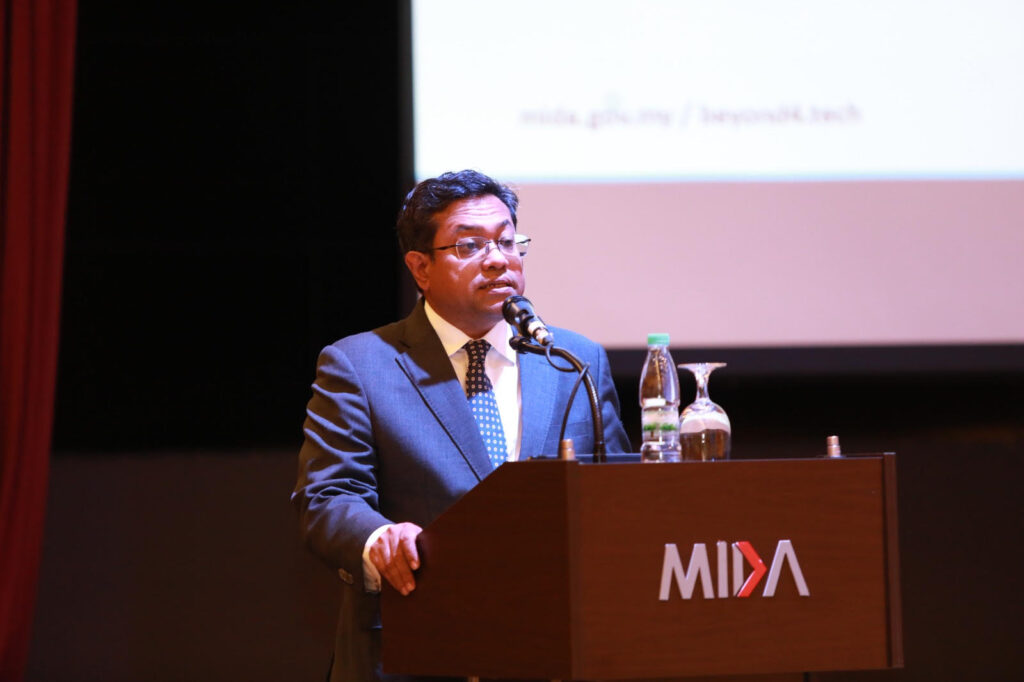
“The RM350.4 billion in approved investments recorded in the first nine months of the year, a 20.7% increase year-on-year, demonstrates that Malaysia remains a trusted investment destination despite global uncertainty.
Beyond the strength of these figures, what matters most is the impact they create for Malaysians. The 4,387 approved projects are expected to generate more than 152,000 jobs, particularly in high-value sectors such as chip design, advanced electronics and precision engineering. These industries deepen our industrial capabilities, strengthen Malaysia’s position in global value chains, and create well-paying career opportunities for our people.
MIDA is also working closely with industry and education partners to ensure talent development keeps pace with investor needs. Investing in skills and higher-quality jobs is key to a stronger industrial ecosystem. Where talent thrives, investment follows, and where investment grows, opportunities expand.
Guided by the National Investment Aspirations and Ekonomi MADANI, MIDA’s success should be measured not only by the investments secured, but by the quality of jobs created, the capabilities developed, and the long-term prosperity generated for Malaysians.” — YM Tengku Datuk Seri Utama Zafrul Tengku Abdul Aziz, Chairman of MIDA
SERVICES: DIGITAL INVESTMENTS AND LOCAL OPPORTUNITIES
The services sector attracted RM219.1 billion in approved investments, or 62.5% of total approvals. This was 14.2% higher than the RM191.7 billion recorded in the first nine months of 2025. The 2,993 approved projects are expected to create 59,273 jobs. Foreign investments contributed RM132.7 billion (60.6%), while domestic investments accounted for RM86.4 billion (39.4%).
Information and communications attracted the most investment in services, at RM133.5 billion. This was followed by real estate (RM47.9 billion), support services (RM19.3 billion), utilities (RM5.8 billion) and distributive trade (RM5.1 billion).
Data-centre and cloud-computing projects accounted for RM123.5 billion across 86 projects, up 44.5% year-on-year. They represented 35.2% of all approved investments, compared with 29.4% in the same period last year. Support services also benefited from an approved RM12.9 billion semiconductor research and development expansion in Pulau Pinang.
UNCTAD ranks Malaysia among the world’s ten largest data-centre investment destinations. As Malaysia works towards its ambition to become an ‘AI nation’ by 2030, the DCTF requires new data centres to meet a minimum 30% local content condition to create opportunities for Malaysian companies.
Examples of notable services projects are provided in Appendix I.
MANUFACTURING: INVESTMENT IN INDUSTRIAL CAPABILITIES AND EMPLOYMENT
The manufacturing sector attracted RM106.3 billion across 1,353 projects. Investment value increased 13.3% year-on-year, while the number of projects rose 53.1%. This marked a turnaround from the 25.1% decline in investment value recorded in the first half of 2026, supported by major third-quarter approvals in optical transceivers for AI data centres and LNG processing. Foreign investments accounted for RM68.5 billion (64.4%), while domestic investments contributed RM37.8 billion (35.6%). Approved manufacturing projects are expected to create 92,489 new jobs, up 27.3% from 72,672 in the first nine months of 2025.
E&E led manufacturing investment with RM40.8 billion, followed by petroleum products including petrochemicals (RM13.2 billion), machinery and equipment (RM9.4 billion), basic metal products (RM6.7 billion) and food manufacturing (RM6.4 billion). E&E investment increased 85.3% year-on-year, with the industrial electronics segment and the electronic components and semiconductors segment accounting for 89.7% of the industry’s approvals. This underscores that inbound capital is heavily concentrated in high-value-added activities at the core of the National Semiconductor Strategy (NSS) and the New Industrial Master Plan (NIMP 2030).
New projects accounted for RM62.3 billion (58.6%) across 828 approvals, while 525 expansion and diversification projects contributed RM44.0 billion (41.4%). A total of 425 approved manufacturing projects are expected to export at least 80% of their output.
Of the new jobs created, 72,111, or 78.0%, are for Malaysians. Of the 34,529 managerial, technical, supervisory and skilled positions (MTS), 31,921 (92.4%) are allocated to Malaysians, and 16,607 jobs are expected to offer monthly salaries of RM5,000 and above.
Examples of notable manufacturing projects are provided in Appendix I.
PRIMARY SECTOR: DOMESTIC COMPANIES TAKE ON LARGER ENERGY PROJECTS
The primary sector attracted RM25.0 billion, up 420.0% from RM4.8 billion in 9M 2025, across 41 projects expected to generate 328 new jobs. The nine-month figure exceeds the sector’s full-year 2025 total of RM14.2 billion by 76.9%.
Domestic investments led the primary sector with RM13.9 billion (55.3%), up 345.2% year-on-year, while foreign investments recorded RM11.1 billion (44.7%), surging 556.4% year-on-year. This growth reflects continued interest from both domestic and foreign investors in Malaysia’s upstream energy sector, including the participation of Malaysian companies in large-scale projects.
Mining contributed RM24.8 billion, mainly for oil and gas exploration and development, while agriculture accounted for approximately RM0.3 billion. Sarawak and Sabah together accounted for 81.2% of primary-sector approvals.
FROM APPROVALS TO REAL JOBS AND OPERATIONS
Of the 6,202 manufacturing projects approved by the National Committee on Investment (NCI) from 2021 to September 2026, 5,423 projects or 87.4%, had reached various stages of production, factory construction or machinery installation, while a further 9.5% were at the planning stage, and 3.1% were not implemented, reflecting Malaysia’s strong project realisation rate.
More than 90% of manufacturing projects approved between 2021 and 2024 have been implemented. Implementation rates stood at 86.9% for projects approved in 2025 and 70.4% for those approved in January to September 2026. Manufacturing projects generally take 18 to 24 months to be implemented.
Examples of implemented projects are provided in Appendix II.
PIPELINE OF HIGH-IMPACT INVESTMENTS AND OUTLOOK
As of October 2026, MIDA had 223 proposed projects under its purview with a combined investment value of RM41.2 billion, comprising 119 manufacturing projects worth RM18.6 billion and 104 services projects worth RM22.6 billion. MIDA was also discussing high-potential investments worth RM60.5 billion.
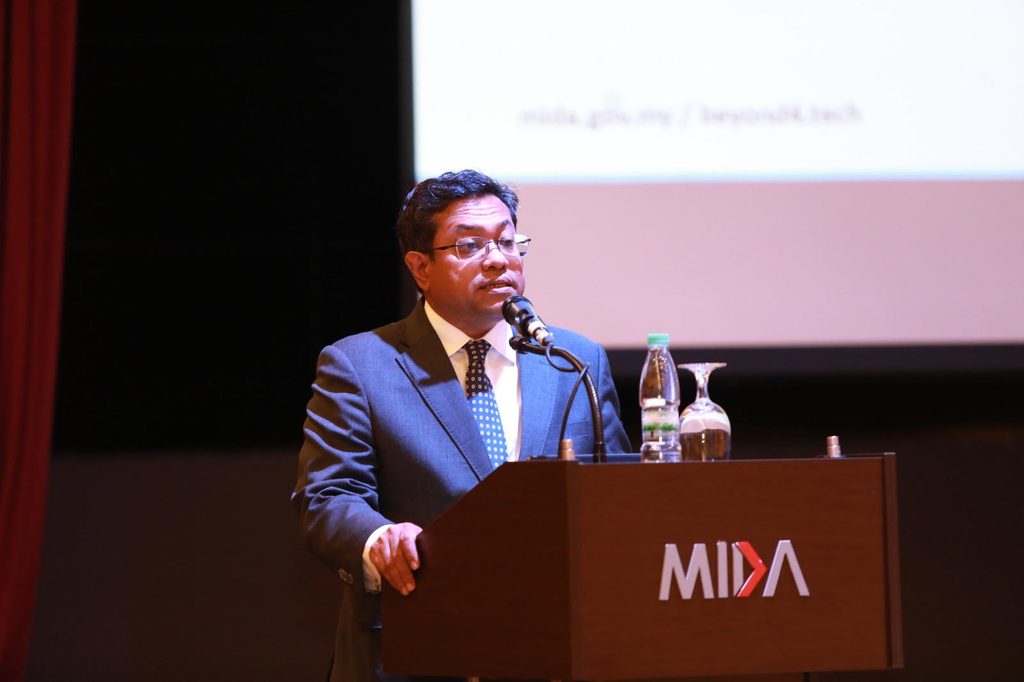
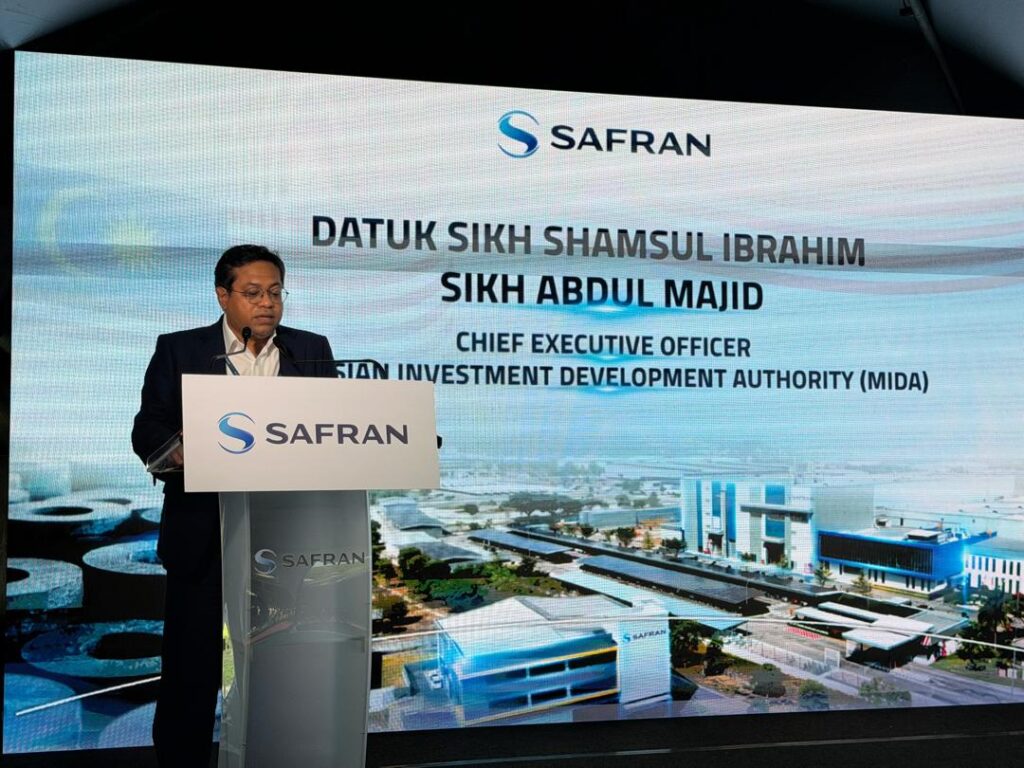
“Approval is an important milestone, but implementation is what delivers factories, business activities and jobs. MIDA’s role is to work with investors and government partners to address implementation issues and connect investment projects with local suppliers and talent. Through continued collaboration with government agencies via the Invest Malaysia Facilitation Centre (IMFC) and initiatives such as #InvestLokal, we aim to ensure that investment opportunities translate into lasting economic value for Malaysia.” — Datuk Sikh Shamsul Ibrahim Sikh Abdul Majid, Chief Executive Officer of MIDA
While Malaysia’s investment outlook remains influenced by changes in global demand, geopolitical developments, and evolving trade policies, the country’s economic fundamentals remain stable. The IMF projects global growth to rebound to 3.4% in 2027. Domestically, the Ministry of Finance’s Economic Outlook 2027—tabled alongside Budget 2027 on 9 October 2026—forecasts national GDP growth of 4.2% to 5.2% in 2027, compared to an estimated 4.8% to 5.3% for 2026.
MITI and MIDA will continue to focus on timely project implementation, greater participation by local suppliers and the creation of high-value jobs for Malaysians, while attracting investments that strengthen Malaysia’s technological and industrial capabilities.
1 Compilation of foreign investments is based on the ultimate investing source. The ultimate source refers to the home country of the foreign investor that holds control over the decision-making process and investment management, even if the investment flows through several intermediary sources.
*End*
Note: Due to rounding, figures presented in this press release may not add up precisely to the totals provided
Explainer: DOSM’s FDI and MIDA’s approved Foreign Investment (FI)
There has been some confusion on the term Foreign Direct Investment (FDI) as reported by the Department of Statistics Malaysia (DOSM), and the approved Foreign Investment (FI) data as captured by MIDA. To clarify, the Government has determined the use of these terms since December 2023, as follows:
- MIDA reports on approved Foreign Investments (FI) – These represent proposed investment projects with foreign equity participation that have been granted licenses, incentives, permits, grants, soft loans, etc., by relevant Ministries and Agencies. They are measured based on CAPEX and OPEX, such as land, building, and resources. Approved FI reflects potential investments into the country which will be realised into actual inflows over a specified period, usually across multiple years. On average, 18-24 months is the typical duration to complete the required regulatory steps between approval and implementation, before projects get off the ground. The release of approved FI data serves as a forward-looking indicator of investor’s confidence, the strength of Malaysia’s investment prospects, and the key sectors attracting foreign investors.
- DOSM reports on Foreign Direct Investment (FDI) – This figure refers to investments by non-residents via transactions of financial instruments, including equity, reinvestment of earnings and debt instruments (such as inter-company loans and advances, trade credits, etc.). For instance, if a foreign investor buys shares in a Malaysian company, this would be captured by DOSM’s FDI data. FDI statistics for Malaysia are compiled as part of the balance of payments, which is compiled based on the IMF’s BPM6 guidelines.
For further information, please refer to https://www.mida.gov.my/why-malaysia/investment-statistics/
About MIDA
The Malaysian Investment Development Authority (MIDA) is the Government’s principal investment promotion and development agency under the Ministry of Investment, Trade and Industry (MITI) to oversee and drive investments into the manufacturing and services sectors in Malaysia. Headquartered in Kuala Lumpur Sentral, MIDA has 12 regional and 20 overseas offices. MIDA continues to be the strategic partner to businesses in seizing the opportunities arising from the technology revolution of this era. For more information, please visit www.mida.gov.my and follow us on X, Instagram, Facebook, LinkedIn, TikTok and YouTube channel.
For media enquiries, please contact:
Ms. Fatmah Ahmad
Director,
Corporate Communications Division
Malaysian Investment Development Authority (MIDA)
Email: [email protected] | DL: +603-2267 2428
APPENDIX I
NOTABLE APPROVED PROJECTS
Companion reference to the Media Release 9M 2026 (January–September)
Services Sector:
● AirTrunk Malaysia: Data centre expansion projects approved by the Data Centre Task Force (DCTF), reflecting continued investment by existing global and regional operators in Malaysia’s digital infrastructure. The projects will expand the country’s hyperscale capacity, supported by coordination between DCTF and MIDA to address regulatory and infrastructure requirements and facilitate implementation.
● Gading HBA Sdn. Bhd.: A solar power project with approved investment of approximately RM0.1 billion, expected to create five jobs, all for Malaysians. Developed under the Corporate Green Power Programme (CGPP), the 29.99 MW facility will support renewable energy use in semiconductor operations, with Intel Electronics (Malaysia) Sdn. Bhd. as its corporate offtaker. Electricity generation commenced on 1st July 2026.
● Heliosel Sdn. Bhd.: As part of the Air Selangor Net-Zero RENEW Programme, this project represents an approved investment of approximately RM1.0 billion. The 258 MW project under the SELCO scheme will supply renewable electricity to Air Selangor, supporting treated water services across Selangor, Kuala Lumpur and Putrajaya. The project is expected to generate significant employment opportunities for Malaysians across the value chain, including engineering, procurement, construction, operations and maintenance activities undertaken by EPCC and O&M contractors and subcontractors. Electricity generation is expected to commence in stages throughout 2027 and 2028.
● Jus Power Sdn. Bhd.: A joint venture between Weidun Holdings Malaysia and Conextone Energy, established to develop a 90 MW large-scale solar photovoltaic power plant comprising floating and ground-mounted solar installations at Jus Reservoir, Melaka, under the Large-Scale Solar (LSS 5 PETRA) programme. With the support of Perbadanan Teknologi Hijau Melaka (PTHM), the project aims to contribute to Malaysia’s renewable energy transition by supplying clean electricity to the national grid and supporting the country’s long-term sustainability and decarbonisation objectives. The project, the first of its kind in Melaka, is expected to commence electricity generation in Q4 2027.
● Princeton Digital Group: The Data Centre Task Force (DCTF) has approved PDG’s new data centre campus, a sign of continued investment in Malaysia’s digital infrastructure by established global and regional operators. The campus will add to the country’s hyperscale capacity, with DCTF and MIDA working together to address regulatory and infrastructure requirements and support its delivery.
Manufacturing Sector:
● Dialog Terminals Pengerang (5) Sdn. Bhd.: An expansion project involving RM866 million in new fixed asset investment, bringing cumulative fixed asset investment to RM1.866 billion. The project will diversify operations into blending and storage of petroleum, chemical, biofuel and renewable products, strengthening capacity to serve domestic and regional markets. The project will create 85 new jobs, raising total employment to 169, with Malaysians filling 99% of the positions.
● Faratronic Malaysia Sdn. Bhd.: A RM112.8 million investment in a new metallised film capacitor manufacturing facility, supplying components for electric vehicles, renewable energy systems, industrial equipment and data centres. The wholly foreign-owned project, with ultimate ownership in China, will source 51.65% of its materials locally and export 80% of its output. It is expected to create 208 jobs, including 167 for Malaysians.
● Kelington Smartfab Sdn. Bhd. – A new multi-million ringgit wholly Malaysian-owned project, expected to create up to 200 job opportunities, particularly for Malaysians. The facility is intended to manufacture ultra-high-purity gas and chemical delivery systems, abatement and scrubber systems, and modular process skids for semiconductor facilities and other high
technology plants. The project aims to localise critical semiconductor engineering capabilities, reduce reliance on imported systems and serve international markets through exports.
● Lhoist (Malaysia) Sdn. Bhd.: A RM744.2 million expansion and diversification project, expected to create new jobs for Malaysians, complementing the existing workforce of 324 employees. The first phase of the investment is already in progress, with approximately RM60 million committed. The new facility will manufacture hydrated lime (calcium hydroxide), dolime and hydrated dolime, with a proposed annual production capacity of 150,000 metric tonnes. The project will incorporate world-class technology to enhance manufacturing efficiency and strengthen the supply of processed minerals for downstream industrial applications.
● Ramatex Textiles Industrial Sdn. Bhd.: A RM379 million wholly Malaysian-owned expansion and diversification project, expected to create 282 jobs for Malaysians out of 294 new positions. The facility will manufacture eco-textile yarn and eco-knitted fabric, with a proposed annual production capacity of 8.2 million kilograms for textile yarn and 25 million kilograms for knitted fabric. Automated machinery and solar power for self-consumption will support productivity and more sustainable textile production.
Malaysia Records RM350.4 Billion in Approved Investments in the First Nine Months of 2026, Up 20.7%
Content Type:
Duration: