

|


|

This site
is mobile
responsive
From semiconductors and solar photovoltaics to advanced electronics and specialty glass, high-purity silica has become an essential material for many of today’s fast-growing industries.. As demand for these technologies accelerates, the opportunity for Malaysia lies not simply in supplying the mineral, but in capturing greater value through advanced processing, innovation, and downstream manufacturing.
High-purity silica is a critical raw material used in advanced manufacturing industries, and is a non-metallic mineral substance structured within an ultra-clean amorphous or crystalline matrix. This precise mineral formulation produces a material that is both highly temperature-resistant and structurally stable.
Silica demand is expected to rise sharply due to its versatility and wide range of applications. Extensive processing to remove impurities and contaminants transforms raw silica sand into high/ultra-purity silica sand, containing more than 99.99% silicon dioxide. Silica has been identified as one of the strategic minerals under the New Industrial Master Plan (NIMP) 2030. A strong focus on research, development, commercialisation, and innovation (RDCI) in midstream and downstream activities is pivotal to developing new, high value-added applications that attract international investors to Malaysia’s growing mineral industry.
Advanced silica is an essential component in modern technology due to its high chemical purity, excellent heat resistance, and reliable electrical insulation. Unlike many common metals, these materials are highly stable because they do not rust, release unwanted gases, or easily deform when exposed to extreme temperatures and harsh manufacturing chemicals.
In the microchip and photovoltaic manufacturing sectors, an ultra-high purity manufacturing environment is essential, as even a microscopic speck of dust can ruin a silicon wafer. High-purity silica is vital to this process. It is used to make equipment parts such as processing tubes and rings that can withstand intense manufacturing heat and corrosive chemical vapours.
Silica also plays an important role in renewable energy technologies, including the manufacture of solar panels, photovoltaic cells and other clean energy components, as Malaysia transitions towards more sustainable energy sources. In glass manufacturing, it acts as an essential raw material for high-tech glass, driven by strong market demand for augmented reality (AR) devices, foldable smartphones, and specialised pharmaceutical packaging.
Global demand for advanced silica is expected to continue growing as industries accelerate the adoption of advanced technologies. The expansion of semiconductor manufacturing, artificial intelligence (AI), data centres, electric vehicles (EVs), renewable energy, solar photovoltaic (PV) and digital infrastructure is driving demand for high-purity silica materials. This convergence of digitalisation, electrification, and the energy transition is creating sustained demand for increasingly sophisticated silica-based materials. For Malaysia, the opportunity is to translate its established manufacturing hub into stronger domestic capabilities across purification, advanced materials, and downstream applications that capture more value within global technology supply chains.
Malaysia is not starting from zero. To date, the country has secured RM28.9 billion of investments across the silica industry, providing an established foundation from which to deepen higher-value processing and downstream manufacturing. At the moment, the most significant upstream player in Malaysia’s silica ecosystem is Terengganu Silica Consortium Sdn. Bhd. The company has produced high purity silica sand to cater for diverse industries globally since 2014.
Currently, this material is commonly processed for basic commercial glass applications. In recent years, however, advanced silica processing has undergone significant technological advancements, evolving into a highly versatile solution for industries ranging from advanced electronics and aerospace to photovoltaics and digital infrastructure. To fully unlock the potential of silica in Malaysia, it is important for the government to promote R&D and technology advancement to further enhance and develop new applications for this material.
High-purity silica sand serves as a foundational enabler for a broad spectrum of high-value downstream industries in Malaysia. While conventional industrial grade silica sand remains the established market segment, the industry is increasingly moving towards higher value processing, including silica flour, high brightness silica and high purity silica.
Key downstream applications include special technical glass, high-technology quartz products essential for semiconductor and microelectronics fabrication, precision optics, and advanced ceramics. By supporting these advanced sectors, high-purity silica sand continues to reinforce Malaysia’s strategic role in global clean energy, high-tech manufacturing, and sustainable infrastructure.
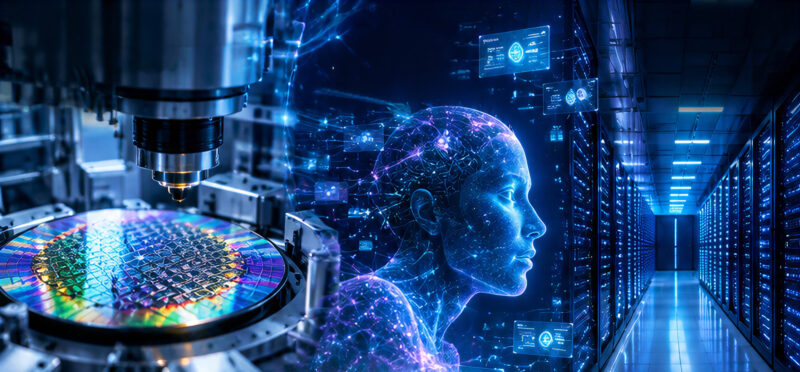
Malaysia combines access to mineral resources with established capabilities in semiconductors, E&E, solar, advanced manufacturing, and other downstream industries that consume increasingly sophisticated silica-based materials. This creates an opportunity to develop a more integrated value chain, from mineral processing to advanced materials and high-technology applications.
As Malaysia’s principal investment promotion agency, MIDA facilitates a range of investment incentives and facilitation measures for eligible companies, including tax incentives, import duty exemptions on qualifying machinery, equipment, raw materials and components, as well as expatriate posts.
Strategic mineral-based products are identified under the New Investment Incentive Framework (NIF) for the manufacturing sector. Eligible activities in this subsector may be considered for incentives based on their qualifying activities and measurable economic outcomes such as higher value-added activities, technology transfer, domestic linkages, quality employment and sustainability.
MIDA also facilitates the Automation Capital Allowance (Automation CA) to encourage companies to adopt automation and Industry 4.0 technologies, enhancing productivity and competitiveness. Through these incentives and investment facilitation measures, MIDA supports investors throughout the investment process and strengthens Malaysia’s position as a competitive destination for advanced silica manufacturing and high-value downstream mineral activities.
Malaysia is well positioned to capitalise on the growing global demand for high-purity silica by strengthening its mineral processing capabilities and expanding its advanced materials ecosystem. This momentum is reflected in the recent approval of a project by Jambongan Makmur Sdn. Bhd., which proposed to manufacture high-purity silica oxide powder. The company’s products are targeted at downstream industries, including specialty glass, semiconductor-related manufacturing, and advanced industrial applications associated with artificial intelligence (AI). Through partnerships with international companies in China and Japan, supported by successful laboratory and site audits, the company is positioning itself to meet stringent international quality standards.
Looking ahead, Malaysia has the opportunity to move further up the advanced silica value chain by strengthening its processing capabilities and expanding into higher-value manufacturing. Under the New Industrial Master Plan (NIMP) 2030, the direction is to transform the mineral industry from predominantly raw material-based activities towards higher-value, technology-driven processing and manufacturing. For silica, quartz, kaolin and other critical minerals-based products, this means strengthening midstream and downstream processing capabilities, advancing material innovation and capturing greater value from resources within Malaysia.
Crucially, to capitalise fully on this potential, Malaysia’s priority is anchored on localised value addition rather than simply exporting semi-processed materials or end products. The goal is to cultivate a comprehensive domestic ecosystem value chain where refined silica and other critical mineral-based products are retained within the country to feed local high-tech manufacturing hubs. To complement core silica processing and complete this ecosystem, Malaysia aims to attract specific high-impact projects and targeted investments. These include facilities producing high-purity quartz-ware and thermal-resistant crucibles, which are critical for semiconductor and laboratory equipment industries. The ecosystem will also be strengthened by attracting manufacturers of specialty glass and substrates, including ultra-thin glass and synthetic quartz glass that support AR devices, advanced sensors, and telecommunication infrastructure. By emphasising domestic supply chain integration, MIDA actively encourages investors to establish end-to-end operations within Malaysia, ensuring maximum economic retention and technology transfer.
This transition will also create new opportunities for Malaysian talent. As advanced processing technologies, automation and R&D become more integral to the industry, demand will grow for specialised capabilities in process engineering, materials science, automation, and quality assurance and research. Stronger industry collaboration, technology transfer, and skills development will therefore be critical to building the workforce capable of supporting the industry’s next phase of growth.
The market opportunity is equally compelling. According to BCC Research, the global high-purity quartz market is projected to grow from US$1.1 billion in 2025 to US$1.4 billion by 2030, at a compound annual growth rate of 4.5%, driven by expanding demand from semiconductors, renewable energy, advanced electronics, and telecommunications. Asia Pacific already represents the largest regional market, positioning Malaysia close to some of the world’s fastest-growing sources of downstream demand.
For Malaysia, the opportunity is therefore not simply to supply more silica, but to capture more value from it. By combining its resource based with advanced manufacturing capabilities, technology adoption, skilled talent, and sustainable practices, Malaysia can build a more sophisticated advanced materials ecosystem – strengthening its economic complexity and domestic supply chain while becoming more deeply integrated into the industries shaping the global digital and energy transition.
MIDA welcomes investors and technology partners to explore opportunities across advanced silica processing, specialty quartz, and other high technology industrial applications and to be part of Malaysia’s next chapter in advanced material manufacturing by engaging with the dedicated team from the Building Technology and Lifestyle Division at https://www.mida.gov.my/staffdirectory/building-technology-lifestyle-division/
Credit to: (Jambongan Makmur Sdn. Bhd.)


Explore other related content to further
explore MIDA’s insights.


