


|


|

This site
is mobile
responsive
For centuries, traditional and herbal medicine have supported human health across cultures and civilisations. Today, as the global healthcare landscape evolves, these age-old remedies are gaining renewed relevance — not as alternatives, but as valueble complements to modern medicine..
Derived from nature’s own pharmacy — plants, minerals and select animal-based sources — traditional and herbal medicines have long been used in raw or minimally processed forms. What was once passed down through generations is now increasingly validated by science, regulation and growing global demand.
Herbal medicine, also known as botanical medicine, harnesses the therapeutic properties of plants and their naturally occurring chemical compounds. These compounds interact with the human body to support prevention, healing and overall wellness. In fact, the World Health Organisation (WHO) estimates that approximately 40% of modern pharmaceutical products in use today originated from traditional knowledge. One of the most cited examples is aspirin, which traces its roots to salicylic acid extracted from willow bark before being synthesised into a widely used pain and fever medication.
The global herbal medicine industry is experiencing unprecedented momentum. Valued at USD251.24 billion in 2025, the market is projected to double to USD500 billion by early 2030, registering a robust Compound Annual Growth Rate (CAGR) of 8.3%.
This rapid expansion is driven by several converging trends:
Together, these trends are reshaping global healthcare preferences — and opening new commercial frontiers.
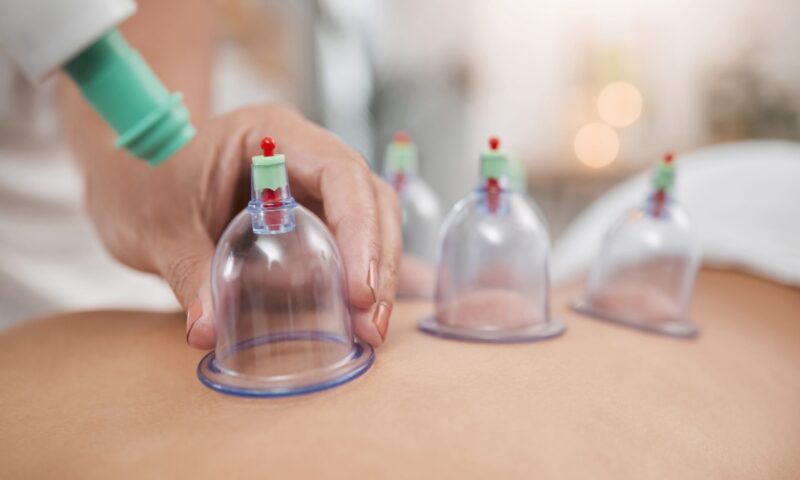
Malaysia stands uniquely positioned at the crossroads of tradition, biodiversity and innovation. Its rich cultural tapestry encompasses traditional Malay medicine, Islamic medical practices, Traditional Chinese Medicine (TCM) and Traditional Indian Medicine, offering a holistic ecosystem rarely found elsewhere.
Coupled with one of the world’s most biodiverse nations, this has helped position Malaysia as a destination for alternative treatment, further boosting medical tourism. Recognising this potential, the Government introduced the National Traditional and Complementary Medicine (T&CM) Blueprint (2018–2027) providing a structured pathway to regulate, professionalise and commercialise the sector.
Today, 15 public hospitals nationwide offer T&CM services, including Putrajaya Hospital, Port Dickson Hospital in Negeri Sembilan and Sultanah Bahiyah Hospital in Kedah. These services include traditional Malay massage for post-stroke rehabilitation and chronic pain management, as well as acupuncture and herbal therapies.
Malaysia is also home to over 6,000 registered local T&CM practitioners, complemented by more than 100 foreign practitioners, reflecting a growing and regulated professional base.
Registration of companies undertaking the production of T&CM or other pharmaceutical products is under the purview of the National Pharmaceutical Regulatory Agency (NPRA). According to NPRA’s Annual Report for 2024, a total of 713 natural products (traditional medicines, herbal products, homeopathic medicines and natural products with therapeutic claim) were registered, the highest among other categories under their purview. The sheer volume of T&CM products that have entered the domestic market reflects the strength of the local supply chain from manufacturing to distribution.

One prominent local company, J.B. Pharmacy Group Sdn. Bhd. under the brand name Hurix’s, has flourished under the umbrella of Jin Bin Group, incorporated since 1979. Fast-forward to today, the group has established multiple business arms covering the entire manufacturing ecosystem with full GMP compliance – from R&D to after-sales services and even obtaining Halal certification for their finished products – fully catering to the needs of the majority Malaysian-Muslim population To further spur the growth of Malaysia’s T&CM ecosystem, the Government is set to roll out the New Incentive Framework (NIF) by March 2026, with focus on pharmaceutical and halal pharmaceuticals subsectors. The flexibility of the NIF, being tiered and outcome-based, ensures that fiscal support is awarded based on the commitment level that a company achieves in respect to each financial year.
With strong global demand, increasing consumer acceptance and clear policy support, Malaysia’s traditional and herbal medicine sector presents compelling growth prospects. The key to long-term success lies in sustainable sourcing, quality assurance and efficient integration across the value chain — from cultivation and harvesting to processing and manufacturing at scale.
By strengthening this ecosystem, Malaysia has the opportunity to position itself as a global leader in traditional and herbal medicine, delivering impact not only to public health, but also to national economic growth and high-value investments.
As global healthcare shifts towards prevention, wellness and sustainability, Malaysia invites investors and industry players to be part of a sector where heritage meets innovation — and nature powers the future of medicine.

Published on Nanyang Siang Pau on 13 February 2026 in Mandarin.
For more information, please connect with our Life Sciences & Medical Technology Division at
https://www.mida.gov.my/staffdirectory/life-sciences-medical-technology-division/
Explore other related content to further
explore MIDA’s insights.


