

|


|

This site
is mobile
responsive
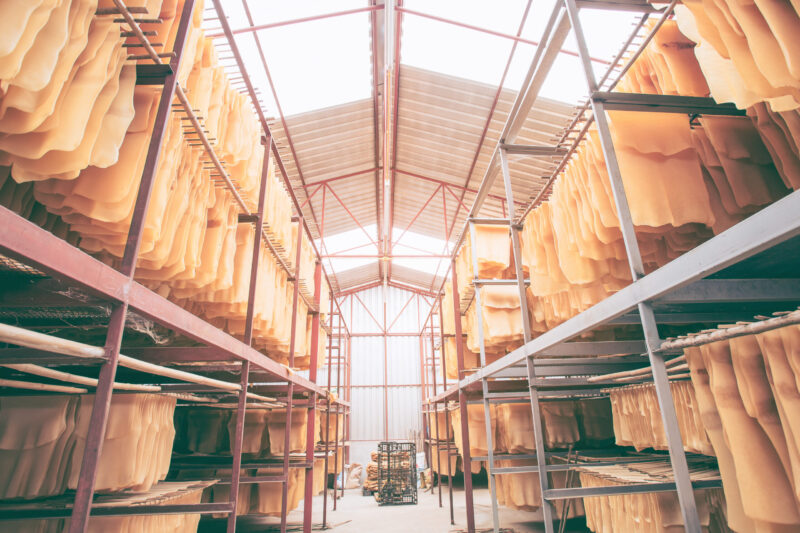
The rubber industry in Malaysia has long served as a cornerstone of the nation’s industrialisation. Once a global leader in rubber production, the sector now faces heightened challenges due to evolving market conditions and global competition, putting it at risk of becoming a sunset industry. Nevertheless, its deep-rooted expertise and capacity for innovation present a clear path forward, one that could revitalise Malaysia’s position in the global rubber landscape through technology adoption, stability and regional collaboration.
Malaysia’s rubber products sector comprises latex products, industrial rubber goods, general rubber goods, footwear, tyres, and inner tubes. Rubber exports currently constitute approximately 2% of Malaysia’s total exports, predominantly driven by synthetic rubber gloves, medical gloves, condoms, and catheters, with major export destinations such as the United States of America, European Union, China and Japan. Despite supplying 60% of the global demand for rubber gloves, the industry has seen its competitive wane in recent years amid shifting market dynamics and emerging competition.
Currently, Malaysia’s rubber value chain is concentrated in downstream activities, particularly in the production of industrial and general rubber products. Around 125 manufacturers focus mainly on gloves and catheters, which together make up about 80% of total rubber exports. Another 185 manufacturers produce industrial rubber components that serve critical sectors such as automotive, electronics, and machinery. This strong downstream presence has driven the development of advanced machinery, equipment, and testing facilities within the industry.
While external shocks such as tariffs and China’s aggressive pricing strategy can significantly impact the industry, the underlying challenge lies in the ability of Malaysia’s rubber industry and its ecosystem to innovate and adapt effectively to market changes. Issues such as shortage of labour, compliance pressure and sustainability requirements for export markets need to be addressed alongside efforts to strengthen the midstream and downstream segments and transition toward the higher value-added production.
As Malaysia navigates rising production costs and resource constraints, the industry’s strategic direction is evolving toward greater regional integration and value optimisation. This approach involves relocating low value-added rubber production to regional partners with more competitive cost structures, while retaining high value functions such as research and technology development. By doing so, Malaysia is positioning itself as a regional hub for advanced rubber technology and sustainable growth.
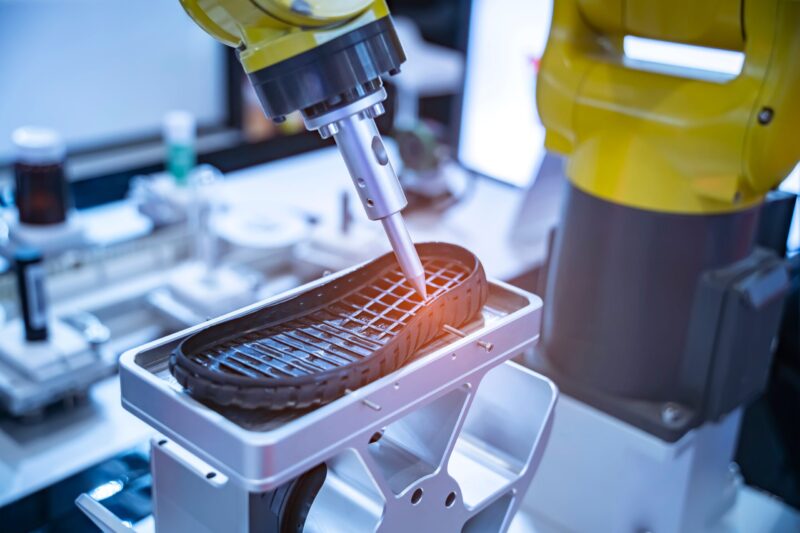
As Malaysia navigates rising production costs and resource constraints, the industry’s strategic direction is evolving toward greater regional integration and value optimisation. This approach involves relocating low value-added rubber production to regional partners with more competitive cost structures, while retaining high value functions such as research and technology development. By doing so, Malaysia is positioning itself as a regional hub for advanced rubber technology and sustainable growth.
To reinforce this strategy, the Government has established the Kedah Rubber City (KRC), Malaysia’s first dedicated rubber industrial park. This national-level strategic project focuses on downstream rubber activities by capitalising on the abundant rubber resources shared between Malaysia and Thailand. Through this collaboration, KRC seeks to strengthen regional value chains, position both nations as leading rubber producers, and achieve collective economies of scale. Designed as a Green Rubber City, KRC promotes sustainable and efficient production practices, reflecting Malaysia’s commitment to responsible environmental management and long-term industry resilience.

Aligned with the New Industrial Master Plan (NIMP) 2030, Malaysia’s rubber industry is being revitalised through strategic product diversification aimed at capturing market share in emerging and high-value segments. The Government has identified high-potential opportunities in areas such as advanced rubber composites, graphene-enhanced products, electrically conductive rubber blends for corrosion protection of carbon steel, multiwall carbon nanotube-based composites, soft rubber sensors for smart textiles, rubber-modified bitumen for road construction, and sustainable rubber sound insulators for automotive applications. These emerging products represent the next frontier for Malaysia’s rubber sector — combining scientific innovation with industrial application to meet the demands of future markets.
As the nation’s principal investment promotion agency, MIDA assumes a pivotal role in supporting both existing and new investors in navigating this dynamic sector through its proven facilitation framework and extensive global network. MIDA serves as a key enabler in transforming Malaysia’s rubber industry into a more innovative and competitive ecosystem by driving high-value downstream investments, modernising the midstream segment through automation and digitalisation, and advancing sustainability and traceability initiatives. Furthermore, MIDA fosters innovation and industry collaboration between industry, academia, and research institutions while advocating policy measures that encourage industry players to move up the value chain.
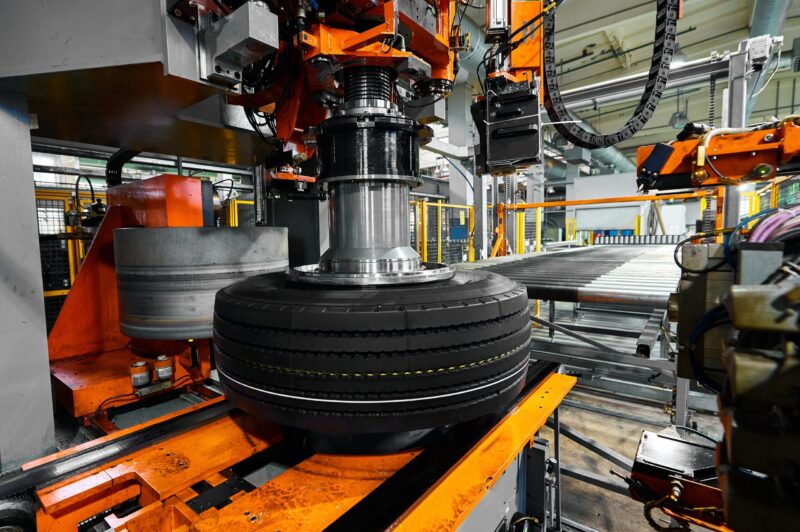
Recognising the industry’s strategic importance and potential to attract high value-added investments, the Government offers attractive tax incentives to companies manufacturing rubber products as well as companies operating within KRC, particularly those involved in leading rubber product manufacturing, specialised latex and rubber products, precision-engineered rubber components, and green rubber innovations.
Leveraging this solid foundation in the rubber industry, MIDA remains steadfast in promoting diversification into high value-added, rubber-based manufacturing. Companies are encouraged to consult MIDA regarding available tax incentives for new, innovative rubber production, as well as support for existing firms seeking to automate their production lines to overcome labour constraints and boost productivity. By facilitating first movers in advanced rubber products, promoting automation, and enabling the adoption of Industry 4.0 technologies, MIDA helps strengthen operational efficiency and advance Malaysia’s economic complexity.
Stay ahead in the rubber industry. Connect with our Chemical and Advanced Materials Division at https://www.mida.gov.my/staffdirectory/chemical-and-advanced-material/ for expert insights and support.
Sources:
Malaysian Rubber Board (MRB) – Monthly Rubber Statistics Digest, September 2025.
Malaysia External Trade Development Corporation (MATRADE) – Trade Performance Data for Rubber-Based Products, 2020–2024.
Ministry of Investment, Trade and Industry (MITI) – New Industrial Master Plan (NIMP) 2030: Rubber-Based Products Industry Sectoral Paper.
Explore other related content to further
explore MIDA’s insights.