

|


|

This site
is mobile
responsive
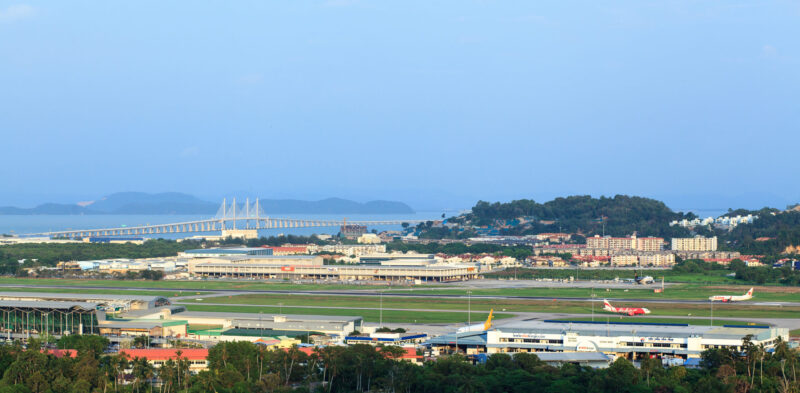
Global trade is changing as businesses face geopolitical tensions, supply chain disruptions and growing pressure to move goods faster and more reliably. In response to these evolving risks and uncertainties, multinational corporations are pivoting towards supply chain diversification and regionalised operating models. Advanced and high-tech manufacturers are placing greater emphasis on the resilience and reliability of infrastructure, as well as air cargo connectivity, when evaluating potential investment destinations, particularly for time-sensitive and high-value components and products.
These trends underscore the critical need for efficient, reliable logistics infrastructure to support Penang’s E&E industry, which remains deeply embedded in global high-tech and semiconductor supply chains. Sustaining the rapid pace of these sectors demands an advanced ecosystem engineered for extraordinary precision, speed, and reliability. Modern E&E supply chains rely on robust networks tailored for high-frequency international freight and strict, just-in-time operations—essential for maintaining seamless production flows and facilitating critical New Product Introductions (NPI). Beyond speed, the specialised nature of tech cargo mandates sophisticated handling capabilities designed to protect delicate, high-value components, maintain continuous temperature control, and accommodate oversized manufacturing machinery without compromising strict transit deadlines.
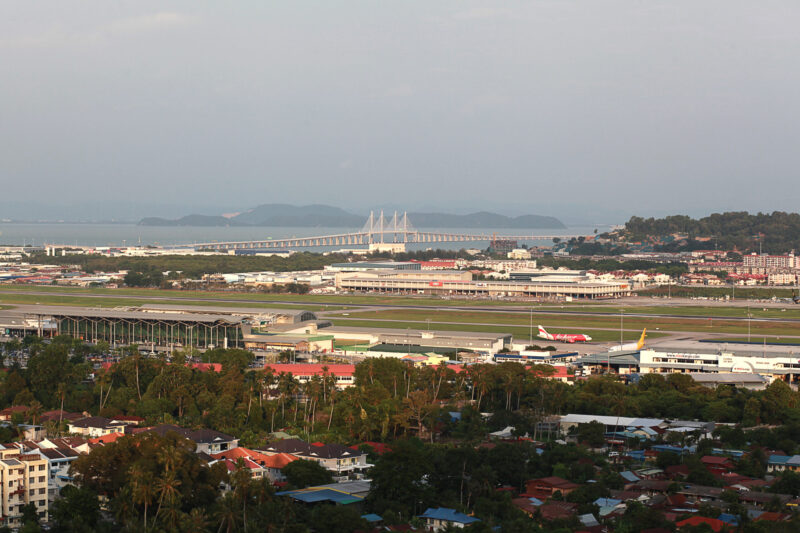
Against this backdrop, the Penang International Logistics Aeropark (PILA) was initiated as a transformative national logistics infrastructure project designed to modernise Penang’s air cargo ecosystem and safeguard Malaysia’s competitive edge through 2050. PILA will help address potential logistical bottlenecks, support industrial expansion, and reinforce Penang’s role as a critical node in the global technology value chain.
PILA was formally established through a joint venture agreement between the Penang Development Corporation (PDC) and Malaysia Airports Holdings Berhad (MAHB) on 13 April 2026. The initial tier of the project is being executed by Penang International Logistics Aeropark Sdn. Bhd.
Spanning 42 hectares, the project has secured master layout planning permission and progressed to active earthworks and soil treatment, with the main civil infrastructure construction slated for the first quarter of 2027.
The initial phase will include a state-of-the-art Free Commercial Zone (FCZ) Air Cargo Warehouse, targeted for completion by 2029. This facility is expected to add 100,000 tonnes of annual handling capacity. Upon full build-out, the aeropark will feature over two million square feet of advanced and integrated warehouse space, increasing total cargo processing capacity to as much as 500,000 tonnes annually.
The development of PILA has been shaped by continuous engagements with key ecosystem stakeholders, including industry leaders such as Intel, Micron, Keysight, Flex, Broadcom, Jabil, FedEx, and DHL. Currently, 30% to 40% of Penang-generated air cargo is diverted to Singapore via road feeder services. largely due to limited direct, long-haul freighter flights to North America and Western Europe.
By strengthening local air cargo infrastructure, PILA directly operationalises the “Make in Penang, Fly from Penang” vision by reducing excess transit times, elevated freight costs, and handling damage risks associated with transhipment.
The project will also integrate a single-window digital logistics platform to support paperless operations, a 24-hour strategic cargo fast lane for time-critical NPI, and dedicated heavy vehicle logistics lanes designed to minimise road vibration and protect shock-sensitive electronics during transportation.
MIDA assumes a pivotal role in maximising the economic impact of logistics infrastructure by supporting the development of a more competitive and technology-enabled logistics ecosystem. This includes encouraging domestic third-party logistics companies to adopt digital solutions, transition to green commercial fleets and expand advanced public bonded warehouse capabilities.
Through targeted facilitation, including incentives such as the Smart Logistics Complex (SLC) incentive and the International Integrated Logistics Services (IILS) status, MIDA supports logistics players in upgrading their capabilities and strengthening their position within the regional and global supply chains.
With Penang continuing to strengthen its position as a global E&E and semiconductor hub, projects such as PILA will be important in ensuring that Malaysia’s logistics infrastructure keeps pace with the needs of increasingly sophisticated and time-sensitive manufacturing operations. By enhancing air cargo capacity, connectivity and specialised logistics capabilities, PILA can further strengthen the link between Penang’s manufacturing ecosystem and global markets.
For more information on PILA and Malaysia’s logistics investment opportunities, please contact the Oil and Gas, Maritime and Logistics Services (OGML) Division, MIDA at https://www.mida.gov.my/staffdirectory/oil-and-gas-maritime-and-logistics-services-division/
Explore other related content to further
explore MIDA’s insights.


