

2024 Archives - Page 54 of 77 - MIDA | Malaysian Investment Development Authority
English
contrastBtngrayscaleBtn oku-icon

|

plusBtn crossBtn minusBtn

|

This site
is mobile
responsive

sticky-logo

EP Manufacturing targets 6,000 units by year-end at Melaka plant

AUTO parts maker EP Manufacturing Bhd targets to commence the first phase of its factory in HICOM Pegoh Industrial Park in Melaka in the third quarter of 2024 (3Q24). 

EP Manufacturing group CEO Ahmad Razlan Mohamed said the company expected to achieve a production of 6,000 units by the year-end. 

“We have completed an agreement with Great Wall Motor Co Ltd (GWM) for the manufacturing and assembly of vehicle models,” he told The Malaysian Reserve (TMR) in a recent interview. 

A Tier-1 automotive supplier, EP Manufacturing operates five plants and factories across Malay- sia, supplying modular assemblies, safety and critical components to carmakers such as Proton Holdings Bhd and Perusahaan Otomobil Kedua Sendirian Bhd (Perodua). 

In January, EP Manufacturing announced that its subsidiary, PEPS-JV (Melaka) Sdn Bhd (PJVM), will serve as the contract vehicle assembler for the Malaysian unit of China’s GWM for the next eight years. 

EP Manufacturing’s focus will be on assembling and producing GWM’s Haval H6 and Haval Jolion SUV models. 

The move into car assembly aligns with EP Manufacturing’s commitment to vertical integration, presenting an opportunity to expand revenue streams and diversify its business portfolio. 

It then said the assembly activities will take place at the Melaka facility, aiming for an annual output of 20,000 units by 2028. 

Additionally, the facility will cater to the production of China-based Beijing Automotive Group Co Ltd (BAIC) vehicles. 

In April, EP Manufacturing announced its partnership with BAIC to assemble and manufacture BAIC’s authorised model vehicles in Malaysia. 

It said its wholly-owned subsidiary PJVM had finalised an agreement with BAIC, a subsidiary of Beijing Automotive Group Co Ltd, one of China’s largest carmakers and a Fortune Global 500 company. 

Under the terms of the 10-year agreement, PJVM will be responsible for assembling and manufacturing the vehicles in Malaysia, with a targeted capacity of at least 5,000 vehicles per year by Sept 1, ramping up to 10,000 vehicles annually by March 1 of the following year. 

PJVM will also handle the procurement of all necessary devices, equipment, permits or approvals for vehicle assembly and manufacturing. 

In return, BAIC will authorise PJVM for assembly and manufacturing, provide technical support and training, and oversee the assembly process. 

The agreement superseded a memorandum of understanding signed in August 2023, focusing on developing BAIC’s BJ40P and X55II SUVs and right-hand drive electric vehicles (EVs) for Malaysia and other South-East Asian markets. 

EP Manufacturing said it viewed the collaboration as an opportunity to vertically integrate its operations and tap into the growing automotive market, thereby enhancing its income streams and financial stability. 

“The strategic collaborations with original equipment manufacturers from China signify our commitment to charting a course towards better profitability for our stakeholders,” said EP manufacturing executive chairman Hamidon Abdullah in a statement. 

EP Manufacturing had previously announced an investment of over RM100 million for the construction of the plant in Melaka. The facility was expected to create around 1,000 new jobs upon full operation and initially produce up to 30,000 vehicles annually. 

Source: The Malaysian Reserve

EP Manufacturing targets 6,000 units by year-end at Melaka plant


Content Type:

Duration:
TECH giant Microsoft Corp announced its plans to invest a staggering RM10.5 billion in Malaysia’s cloud and artificial intelligence (AI) infrastructure which will boost and provide a gamechanger in the country’s economy.

Last Thursday, Microsoft’s chairman and CEO Satya Nadella outlined the company’s ambitious plan to establish a world-class AI infrastructure and provide AI skilling opportunities for 200,000 Malaysians.

“We want to ensure we have world-class infrastructure right here in the country so that every organisation and start-up can benefit,” he said in an event in Kuala Lumpur (KL).

This investment will also bolster collaboration with the government to establish a National AI Centre of Excellence and enhance cyber security capabilities.

Microsoft’s cloud and AI infrastructure promises to unleash a ripple effect of opportunities, empowering businesses to thrive in the digital age and cementing Malaysia’s position as a leader in the global tech industry.

Positive Economic Growth Opportunities

Institute for Democracy and Economic Affairs (IDEAS) economist Carmelo Ferlito (picture) shared insights into the potential ramifications of this big investment.

“This is great news for two reasons. On one side, it creates economic opportunities, on the other, it is an important sign of confidence,” he told The Malaysian Reserve (TMR).

Ferlito said undoubtedly, Microsoft’s substantial investment will have far-reaching implications for Malaysia’s economy.

He added that beyond the infusion of capital, the investment serves as a beacon of confidence, signalling to other potential investors the attractiveness and viability of Malaysia’s technology sector.

“The investment is in itself an FDI and it could signal confidence toward other potential investors,” he noted.

Though it is not automatic, Ferlito said the project has a positive ecosystem.

He said that beyond enhancing IT literacy, it has the potential to catalyse the growth of local companies, forming a robust value chain around the data centre.

“I think the main benefit would not only be the IT literacy that potentially the initiatives can create but also the spillover that can generate in terms of local companies which are going to make up the value chain around the data centre,” he added.

In terms of Malaysia’s global standing in the tech industry, Ferlito believed that Microsoft’s investment serves as a powerful endorsement of the country’s competitiveness and attractiveness to other tech giants.

However, he emphasised that the actual impact will hinge on the execution and outcomes of the project.

“It is a positive signal. It can attract other entrepreneurs, but I think a lot will depend on the actual implementation and results from the project.”

Nevertheless, he was aware of the potential drawbacks and risks associated with such a significant investment.

He highlighted the importance of ensuring a favourable regulatory framework to mitigate these risks and ensure the initiative’s success.

“If, for some reason, the initiative would not be successful, the added value it created will be destroyed. It is important to be sure that the regulatory framework will be favourable for the initiative to thrive,” he noted.

Malaysian Investment Development Authority (MIDA) CEO Sikh Shamsul Ibrahim Sikh Abdul Majid said it is excited to deepen its partnership with Microsoft as it underscores the dedication to innovation and regional industry growth.

“This investment not only reinforces Malaysia’s position as a leading digital hub but also marks a promising start in attracting more companies to embark on this digital journey with us, promoting inclusive growth and prosperity nationwide,” he said.

Updates on Microsoft’s Data Centre in Malaysia Microsoft recently secured a contract with Pasukhas Sdn Bhd, a wholly owned subsidiary of Pasukhas Group Bhd.

With a total lump sum contract value of RM56.9 million, the project is expected to be completed by June 30, 2025.

Microsoft reportedly acquired a plot of land in Johor. The land, spanning 102,560 sq m in Pulai, was sold by local property development firm Crescendo Corp Bhd (CCB).

CCB’s subsidiary, Panoramic Industrial Development Sdn Bhd, entered a conditional sale and purchase agreement with Microsoft Payments (M) Sdn Bhd for a cash consideration of RM132.4 million.

Microsoft also announced a broader commitment to provide AI skilling opportunities for 2.5 million people in Asean member states by 2025. Other than Malaysia, the company be also be in partnership with governments, nonprofit and business organisations and communities in Indonesia, the Philippines, Thailand and Vietnam.

Source: The Malaysian Reserve

Microsoft’s RM10.5b investment in Malaysia — A game changer for the economy


Content Type:

Duration:

Datuk Seri Anwar Ibrahim has urged all implementing agencies, particularly ministries, to prioritise the training of young people on artificial intelligence (AI) so that the country does not fall behind in this field.

The prime minister said in this regard, training for Technical and Vocational Education and Training (TVET) fields should be given emphasis and enhanced by ensuring that anyone interested, including religious school students, benefit from programmes provided by ministries and government agencies.

“TVET needs to be enhanced to meet (investor demands) like three or four days ago when we had Microsoft investing RM10.5 billion, which requires tens of thousands of workers.

“If (the investment involves) the entire ecosystem, then hundreds of thousands of workers need to be trained. Do we have that capability?” Anwar asked while noting that Malaysia currently lacks some 30,000 engineers.

He said this in his speech at the closing ceremony of the Northern Zone Madani Rakyat 2024 programme, held concurrently with the Penang-level Madani Aidilfitri 2024 celebration at Tapak Pesta Sungai Nibong here on Sunday.

Anwar, who is also finance minister, said that AI and TVET-related training must be accessible to all to avoid disparities in capabilities between urban and rural areas.

“If we only offer these courses to urban elites, there will be a gap with people in rural areas. That’s why the opportunity (for training in AI and TVET) must be available to everyone so that they can fully master both fields.

“I hope the federal government will collaborate with state governments to prioritise this new training stage. Otherwise, we will fall behind,” he said.

The prime minister also urged the Education Ministry (MOE) to continue efforts to foster interest among school students in science, technology, engineering and mathematics (STEM) subjects, thereby strengthening the AI and TVET fields in the country.

“Our children are less interested in mathematics and science. So I told the MOE that there needs to be a concerted push for this transition to happen immediately,” he said.

In this regard, Anwar said MOE cannot rely on old approaches by setting specific targets, but should instead do it now to ensure the country can compete with other nations.

“Learn from what Singapore, Indonesia and Thailand are doing. They all say that adjustments in the universities and the education system must be done now,” he said.

Addressing the current challenges of AI, he said that young people, especially Muslims, need to adeptly master this new technology to help integrate the principles of the Quran and hadith to safeguard the values upheld in Malaysia.

“If we solely import AI from the West, then we will face problems. Our children must have the expertise to integrate the principles of the Quran, hadith and Islamic criteria in the framework or elements of this AI system.

“So, when new technology enters Malaysia, we will not worry that the West will dictate our values. We can uphold our dignity and values as Malaysian citizens,” he said.

Meanwhile, the prime minister said that Malaysia cannot lag behind in terms of public service efficiency compared to neighbouring countries, especially concerning approval processes, as it is crucial to attract investments.

Therefore, Anwar wants the speed level of investment approval to be on par with other countries like Vietnam.

Source: Bernama

PM wants AI, TVET-related training ramped up for country’s youth


Content Type:

Duration:

The Penang government is placing emphasis on high-impact sectors such as integrated circuit (IC) design, research and development (R&D), and global business services (GBS) to ensure the sustainability of the future economy.

Chief Minister Chow Kon Yeow said that the state government also aims to pioneer emerging fields that will not only benefit the state economy but also have positive spill-over effects for other states in the northern corridor.

“Furthermore, efforts to strengthen the Halal Industry, Halal Tourism and Islamic Finance Technology (Fintech) within Penang will contribute to diversifying investment flows and overall income into Malaysia,” he said.

He was speaking at the closing ceremony of the 2024 Northern Zone MADANI Rakyat Programme, officiated by Prime Minister Datuk Seri Anwar Ibrahim and held at the Sungai Nibong Pesta site near here today.

Chow also said that Anwar’s recent official visits to Saudi Arabia and several other countries hold the potential to assist Penang in achieving its objectives.

“I am hopeful that the Prime Minister will help the state in realising these aspirations by directing investment potentials to Penang, now hailed as the Silicon Valley of the East,” he said.

Source: Bernama

Penang focuses on high-impact sectors, diversifying investment inflows – CM


Content Type:

Duration:

Asia Pacific Green Hydrogen Conference and Exhibition 2024 (APGH 2024) is timely in driving innovation and attracting investment in green hydrogen, in tandem with Malaysia’s commitment to achieving carbon neutrality.

Deputy Prime Minister Datuk Seri Fadillah Yusof said in a statement on Saturday said the government is actively seeking international collaboration to accelerate the transition to a low-carbon economy, as hydrogen holds immense potential as the future of clean energy.

Fadillah, who is also Minister of Energy Transition and Water Transformation, recently received a courtesy call by the organiser of APGH 2024 led by Sarawak Deputy Minister for Energy and Environmental Sustainability Datuk Dr Hazland Abang Hipni.

APGH 2024 will be held from June 10 to 12 at Borneo Convention Centre Kuching, Sarawak, and is poised to draw 100 exhibitors, 500 conference delegates, 50 speakers and 4,000 trade visitors from countries including Japan, South Korea, Chile, Brazil, Germany, Italy and Spain, and from the Nordic Region.

Meanwhile, Hazland said that through the Post-Covid Development Strategy, Sarawak is actively pursuing initiatives such as hydrogen development, renewable energy sources, carbon capture and storage, and sustainable aviation fuel

“These efforts directly contribute to reducing our carbon footprint and achieving net-zero emissions by 2050. At APGH 2024, our invited international experts will share their global insights to add to our collective knowledge and skills base, focusing on the hydrogen market,“ he said.

During the visit, the organiser emphasised its unwavering commitment to accelerating Malaysia’s green hydrogen and energy transition goals. It also outlined plans to facilitate knowledge sharing, forge strategic partnerships, and showcase the latest advancements in technology, innovation, and sustainable solutions for green hydrogen production and utilisation.

More information about the Asia Pacific Green Hydrogen Conference and Exhibition 2024 available at www.hydrogenapac.com. 

Source: Bernama

APGH 2024 timely in driving innovation, attracting investment in green hydrogen: Fadillah


Content Type:

Duration:

Prime Minister Datuk Seri Anwar Ibrahim emphasised the importance of Malaysia maintaining its competitive edge in attracting investors to the country, stressing the need for continual improvement in efficiency.

While acknowledging recent reforms aimed at expediting approval processes, he noted that there was still room for improvement.

He urged comparison not just with Malaysia’s past performance but also with other countries, citing Vietnam’s remarkable efficiency in approvals as an example.

“We cannot compare our level of efficiency today to five years ago. Our level of efficiency must be compared to that of other countries.

“Take Vietnam as an example. It emerged as a giant in the Asean region and its strength lies in its speed in approvals granted.

“In certain aspects, it even overtook us. I do not think that Malaysia should lose in terms of efficiency. This is because our strength lies in our workforce, our mastery in the English language, better training and more.

“As such, I hope that all state governments and local councils will give their fullest cooperation to the federal government. There are steps taken but more can be done. That is the input I have been getting,” he said.

Anwar said this at the closing of the northern region Madani Rakyat 2024 programme here today.

Present was Chief Minister Chow Kon Yeow, Communications Minister Fahmi Fadzil, Economy Minister Rafizi Ramli, Transport Minister Anthony Loke, Education Minister Fadhlina Sidek and Human Resources Minister Steven Sim.

Others included Dewan Rakyat Speaker Tan Sri Johari Abdul.

Anwar cited Infineon’s €5 billion investment in the Kulim Hi-Tech Park as evidence of the benefits of an efficient system.

“The company agreed to invest as there are less problems with the system there, which is more efficient, new and outside the norm,” he said.

He also expressed gratitude to the Chief Secretary to the Government, Tan Sri Mohd Zuki Ali, and other officials for their efforts in improving efficiency. 

Anwar urged continued reforms across all sectors, emphasising the need for swift approvals and efficient operations in seaports and airports.

He stressed the importance of addressing inefficiencies in services, noting that delays at airports like Penang International Airport or Kuala Lumpur International Airport were unacceptable.

“We cannot have people waiting for hours unless we are operating the airport in New York which is already a major attraction.

“But for the Penang International Airport or even the Kuala Lumpur International Airport, that cannot be forgiven.

Anwar emphasised the necessity of genuine efforts from both state and federal governments to improve efficiency, dismissing mere claims of doing one’s best as insufficient.

“And if there are discussions between the state governments and federal government, everyone will say they have done their best but that is not always the case,” he said, adding that this was what investigators were claiming.

Source: NST

Anwar calls for enhanced efficiency to attract investors


Content Type:

Duration:

Sarawak is set to export a total of 240,000 tonnes of hydrogen to Japan and Korea by 2028, said Premier Datuk Patinggi Tan Sri Abang Johari Tun Openg.

He was cited in a Sarawak Public Communications Unit (Ukas) report as saying that this would establish Sarawak as a leading producer of clean and renewable energy.

He pointed out that with a hydrogen energy source, Sarawak would indirectly become a major player in power generation, thus boosting Sarawak’s Gross Domestic Product (GDP) through sales tax.

“We will export 240,000 tonnes of hydrogen to Korea and Japan, and for domestic use, we will retain 7,000 tonnes of hydrogen.

“This means that if we export, we can impose sales tax, which will add to the state’s revenue. Additionally, we will become a major producer in terms of renewable energy,” he said at the Aidilfitri gathering organised by the Sarawak Bumiputera Chamber of Entrepreneurs (DUBS) here yesterday.

He added that the government has made significant efforts to provide infrastructure for development and digital economy in large-scale projects for Sarawak entrepreneurs to benefit from.

As such, he called on entrepreneurs to also master new technology.

“There is no other way; we need to have skills in technology, whether it’s digital technology or technology that adds value to our resources,” he said.

Source: Borneo Post

Premier: Sarawak set to export 240,000 tonnes of hydrogen to Japan, Korea by 2028


Content Type:

Duration:

In today’s business world, investors are placing great emphasis on Environmental, Social and Governance (ESG) factors.

There is also a growing awareness among businesses of the importance of adopting the ESG agenda in their business practices.

As such, Star Media Group (SMG), with OCBC Bank (Malaysia) Berhad as the main sponsor, is returning with the ESG Positive Impact Awards (ESG PIA), which will honour Malaysian companies that have done well in implementing ESG practices.

SMG group chief executive officer Chan Seng Fatt said the award will provide companies with market recognition for their commitment to ESG.

“The award will definitely give you market recognition for your commitment to ESG, and it will also enhance the corporate image of participants,” he said.

“In today’s investing world, investors are also quite aware and will emphasise the importance of ESG commitments,” he added.

Aside from attracting investors who prioritise sustainability, he added that the recognition will also enhance a brand’s reputation as a responsible corporate citizen.

“I think the impact is tremendous in today’s corporate landscape.

There is more and more emphasis on the importance of ESG and with this award participation, you are telling the market that you are committed and confident in your own commitment.

That will definitely enhance your market positioning and your brand value,” he said.

The ESG PIA Winners Showcase Agenda was held yesterday with presentations by past winners, Heineken Malaysia Bhd and Geomax Rubber Innovative Products Sdn Bhd.

OCBC Bank’s Wholesale Banking managing director, Jeffrey Teoh Nee Teik, said ESG principles have laid the foundation for sustainable business practices.

“I think it sets the whole impact in terms of how businesses engage in environmental impacts, for example, pollution control, scarcity of resources, and managing climate change,” he said.

In addition to the environmental aspect, he said there is also the social aspect, such as human rights.

“These are all critical factors that govern the way businesses should be run in the future, and this is going to be crucial in terms of importance to all the stakeholders, such as governments, regulatory bodies, and future investors,” he said.

Investment, Trade and Industry Ministry (Miti) senior director Dr Meenachi Muniandy said since the ministry introduced the National Industry Environmental, Social and Governance Framework (i-ESG Framework) in October last year, there has been an evolving awareness of ESG, especially among micro, small and medium enterprises (MSMEs).

“Within a year, MSMEs have evolved a lot in terms of ESG awareness. So definitely, awards like this will help them understand what ESG is all about and how they can adopt ESG practices,” she said.

The ESG Positive Impact Awards 2023 is organised by SMG and endorsed by the Natural Resources and Environmental Sustainability Ministry and Miti, with OCBC Bank as the main sponsor.

Log on to https://staresgawards.com.my/ for more information on the application.

SMG’s ESG PIA 2022 Gala Night, which was held on June 8 last year, to drive positive change and inspire others in the country to embrace sustainability, saw 100 companies participating, with 60 awards being given out.

The awards across 15 categories were presented to the winners at the ESG PIA 2022 Gala Night at the M Resort & Hotel Kuala Lumpur. The submissions were evaluated by a panel of judges based on set criteria across three ESG pillars.

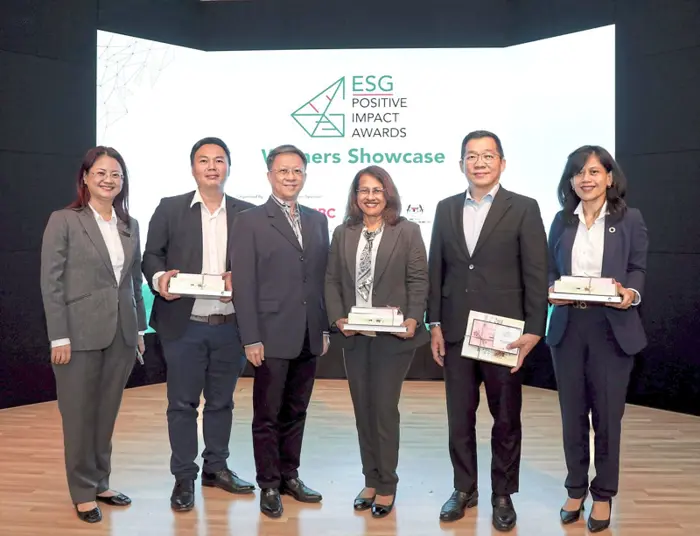
Committed to ESG: (From left) SMG chief business officer Lydia Wang, Geomax founder and director Steven Ng Yong Beng, Chan, Heineken corporate affairs and legal director Renuka Indrarajah, Teoh and Mida’s Sustainability Division senior assistant director Zurisma Zulkarnain. — YAP CHEE HONG/The Star

Source: The Star

Honouring eco-conscious firms


Content Type:

Duration:

The construction of the East Coast Rail Link (ECRL) project in Selangor, Pahang, Kelantan, and Terengganu has reached an average of 65 per cent as of April, said Transport Minister Anthony Loke.

Particularly for Selangor, the project has progressed by over 26 per cent as of last month, which is in line with the schedule for preparing the ECRL line from Gombak to Port Klang in December 2027. Operations are set to begin in January 2028.

“Today, over 100km (of track) has been laid. I was told that each day, over one km of the railway track could be laid. The ECRL project is highly efficient.

“Each day, there is progress… by the day not by month, so that is why the project is running very smoothly.

“For your information, the ECRL network in Selangor, which is nearly 120km, will have five stations, namely the Gombak, Kapar, and Jalan Kastam Integrated Terminals for passengers only.

“The Bandar Serendah and Puncak Alam stations are connecting stations for passengers and cargo,” he said at the launch of the ECRL Career Carnival in Serendah today.

Loke added that the Serendah area will become the main station connecting the Port Klang and East Coast routes, making it an important logistics hub.

“The ECRL line, which crosses Selangor, can spur the tourism, hospitality, and business sector in Batang Kali, which also has the potential to become a railway transport centre to drive the industry.

“This can be achieved with the construction of ‘Pintasan Serendah’ to Port Klang which includes standard gauge tracks for ECRL and meter gauge tracks for KTMB, thus strengthening the competitiveness of rail freight transport, as well as the logistics sector and local cargo handling,” he said.

Land acquisition for the construction of the train infrastructure on the East Coast has been completed, while developers in Selangor have been given another year to resolve the matter.

Commenting on the Career Carnival, the minister said it is part of the Mesra ECRL Programme, which includes an open interview for the East Coast Rail Link Industrial Skills Training Programme (PLKI-ECRL) to offer training and job opportunities to locals.

The PLKI-ECRL initiative is expected to train 1,800 locals to participate in the construction phase of the project and 3,200 local trainees for the operation and maintenance phase in the future.

Source: Bernama

ECRL project progress in four states at 65 pct — Minister


Content Type:

Duration:

Penang today unveiled plans to establish its own one million sq ft integrated circuit (IC) design and digital park at the Bayan Lepas Industrial Park.

The 42.5ha project consists two phases.

The development of the first phase is underway. It features two office buildings — GBS By The Sea and GBS TechSpace — totalling 350,000 sq ft, with an investment of RM347 million.

It is expected to be completed in the fourth quarter of this year.

The second phase, which involves 500,000 sq ft, introduces the establishment of a prominent structure, GBS TechnoPlex, at RM308 million.

The project is expected to be completed by 2027.

Chief Minister Chow Kon Yeow, in announcing the ambitious plan, said the development underscored Penang’s commitment to fostering innovation, driving growth in key industries and attracting top-tier talent to the state.

“Construction for both phases commenced early last year. Once completed, the park will host high-impact initiatives spanning IC design, research and development (R&D), global business services (GBS), digital technology investments and a circular digital economy ecosystem.

“We strive to be at the forefront of the digital economy through this initiative,” he said at the Penang Development Corp (PDC) here today.

Last week, Chow announced the intention of three new semiconductor companies to invest in Penang — China Wafer Level CSP Co (WLCSP), Ningbo SJ Electronics Co (SJE) and Wuxi AMTE Inc (AMTE).

His announcement came on the heels of his predecessor, Lim Guan Eng, asking him to explain how the state lost a multi-million ringgit IC design project to Selangor.

Selangor had recently announced that the state would build an IC design park in Bandar Puteri, Puchong, in July.

Tech-related companies, such as ARM Limited and Phison Malaysia had already committed to setting up operations in the park, touted to be the largest in Southeast Asia.

Lim had said that a postmortem should be conducted to determine how Penang missed the opportunity despite it being the leader in the sector.

According to Chow, the Penang government is formulating an incentive package for strategic investors keen on enhancing and complementing the park.

He said the incentives were designed to bolster Penang’s current investment ecosystem.

Chow said the manufacturing and services sectors remained the state’s twin engines of growth, noting that both sectors contributed 95 per cent of the state’s total revenue.

“We are seeing an increasing demand from the digital economy sectors, particularly the IC design, R&D and GBS.

“We have garnered nearly RM20 billion of approved investments in the services sector over the past five years.

“Penang boasts a thriving ecosystem of over 200 Malaysia Digital Status companies.

“Moreover, we are witnessing the rise of third-party service providers, including IC design and knowledge-based solutions firms, alongside the established players in Penang,” he added, adding that over the last three decades, Penang has nurtured more than 20 specialised IC design companies, featuring a strong presence from global leaders.

Source: NST

Penang unveils 1 million sq ft integrated circuit design and digital park plan


Content Type:

Duration:

NCT Group of Companies has teamed up with Smartsel Sdn Bhd and Mikro Sdn Bhd to drive the capabilities of the NCT Smart Industrial Park (NSIP).

The partnership also aims to introduce advanced sustainability practices to positively impact its carbon footprint.

A memorandum of understanding (MoU) with Smartsel, a licenced provider of network facilities and services, will focus on the integration of 4G and 5G networks to drive telecommunications and digital operations at the NSIP, while simultaneously bolster the connectivity infrastructure within Selangor. 

The collaboration with Mikro will see an emphasis on ensuring superior quality components are utilised in electrical distribution systems to optimise NSIP’s energy management and operational safety.

“The MOUs are pivotal to creating a sustainable and cutting-edge foundation for the telecommunications and industrial infrastructure at NSIP, on track to be the nation’s first net-zero emission industrial park by 2050,” NCT founder and group managing director Datuk Seri Yap Ngan Choy.

“Strategic investment decisions and multistakeholder collaborations are necessary to propel growth and economic development. These MOUs mark a transformative phase for NSIP, further elevating its value and establishing it as a key component in Selangor’s progress as a hub of innovation and sustainability with robust 4G and 5G networks in place. 

For the process of 4G and 5G network deployment, Smartsel will facilitate the necessary local authority approvals by working closely with various stakeholders and state authorities. 

Khairul Azmi Misran, director of Smartsel, said it shares NCT Group’s commitment to harnessing the power of connectivity to boost the country’s digital economy, while realising the digital potential of its managed industrial park. 

“By seamlessly deploying faster connectivity at NSIP, this will drive economic and technological advancements.”

Mikro’s expertise, meanwhile, will be fundamental to NSIP’s carbon footprint reduction,

Mikro chief executive officer Syed Mohd Hafiz said the collaboration allows for an integration of its advanced X-series products with its powerful Mikrosafe app.

This will enhance both safety and energy efficiency in Malaysia’s electricity distribution systems, setting a new benchmark for industrial operations in Malaysia, he added.

NSIP is located within the Integrated Development Region in South Selangor.

The state has achieved more than 96 per cent of 5G network coverage as of February this year.

Source: NST

NCT Group, Smartsel & Mikro to drive NSIP capabilities


Content Type:

Duration:

The Ministry of Digital said Microsoft’s investment of RM10.5 billion (US$2.2 billion) over the next four years is a sign of trust in Malaysia’s digital prospects and a significant step in advancing the country’s digital economy.

In a joint statement by the Ministry of Digital and Malaysia Digital Economy Corporation (MDEC) today, the ministry said the partnership between Microsoft and the government for the establishment of a national AI Centre of Excellence (COE) and the enhancement of the nation’s cybersecurity capabilities is poised to drive further progress in these critical areas.

The ministry also commended Microsoft’s efforts to provide AI training for 200,000 individuals and empower 2,000 Malaysian developers through the AI Odyssey initiative.

“Microsoft has played a pivotal role in numerous collaborative initiatives, including talent development, startup support, and digital adoption for micro small and medium enterprises (MSMEs).

“This investment reaffirms Microsoft’s commitment to Malaysia’s digital growth and showcases the strength of the partnership,” it said.

The statement said Microsoft’s support has been instrumental in MDEC’s efforts to build a robust digital tech talent pipeline, from schools to tertiary learning institutions, and to reskill and upskill the existing workforce to meet evolving industry demands.

This collaboration has led to the creation of the Premier Digital Tech Institutions (PDTI) network, comprising 42 tech-related faculties across 24 tertiary institutions nationwide, and has fostered a pool of AI-ready local companies within the MDEC ecosystem.

With the support of MDEC, Microsoft’s investment encompasses the creation of global business services and the expansion of data centres in key areas throughout Malaysia.

“Microsoft has also been a key partner in the public sector’s digitalisation agenda, having signed the Cloud Framework Agreement with the government in 2022,” it added.

“The Ministry of Digital looks forward to continued collaboration with Microsoft and other industry leaders to drive innovation, foster digital talent development, and accelerate Malaysia’s journey towards becoming a global digital hub,” the statement said.

Source: NST

Digital Ministry: Microsoft’s investment sign of trust in country’s digital prospects


Content Type:

Duration:

A semiconductor hub in Bukit Beruntung, Rawang, is set to boost the country’s gross domestic product to 30 per cent by 2028.

Menteri Besar Selangor (Incorporated) (MBI) chief executive officer Saipolyazan M. Yusop said the development of the green energy concept industrial area would be completed as soon as possible.

“This (hub) is a follow-up to the Prime Minister’s announcement on the construction of a design park for integrated circuits and semiconductor drives in Puchong. 

“It will be a semiconductor research centre and will make Bukit Beruntung an industrial hub. This development will bring profit and economic benefits to the local community,” said Saipolyazan.

He said this to the media at the MBI Hari Raya open house here yesterday.

In March, Selangor signed a Memorandum of Understanding with four firms — Phison Malaysia, SkyeChip, United Kingdom-based ARM Ltd and China-based Shenzhen Semiconductor Industry Association — for the development of the research centre.

The centre, which will be managed by the Selangor Information Technology and Digital Economy Corporation, has the capacity to generate economic returns of up to RM1 billion.

The development is expected to create jobs, especially in engineering, with monthly salaries of between RM5,000 and RM7,000.

Source: Selangor Journal

Semiconductor hub in Bukit Beruntung to boost state GDP


Content Type:

Duration:

Deputy Investment, Trade and Industry Minister Liew Chin Tong said it is time for Malaysia to see biomass as the feedstock for new and advanced fuels and other green industries.

He emphasised the government’s strategy to bolster the biomass sector as biomass is often seen as the byproduct of the palm oil industry.

“The mindset shift means biomass is seen as a necessary enabler for new and high value-added industries that will help achieve the missions set out in the New Industrial Master Plan 2030,” he said in a statement issued by the Malaysian Investment Development Authority (Mida).

Yesterday’s session at Mida Sentral brought together key stakeholders from the biomass ecosystem, demonstrating a concerted effort to drive high-value investments and progress towards Malaysia’s goal of achieving net-zero carbon emissions by 2050.

The session highlighted Malaysia’s dedication to promoting sustainable investments in the biomass sector, which is crucial for achieving its net-zero target by 2050 as per the Paris Agreement 2016.

MIDA chief executive officer Sikh Shamsul Ibrahim Sikh Abdul Majid highlighted its role to foster a favourable environment for the growth of the biomass industries in Malaysia.

“The biomass sector not only presents exciting business opportunities but also plays a crucial role in contributing to a circular economy for a sustainable future.

“In this regard, we are working to accelerate the use of biomass and help communities realise a clean energy future,” he said.

Meanwhile, Mida chairman Tan Sri Sulaiman Mahbob commented on the investment trends, noting a fluctuation in the biomass sector since 2019 and the challenges this poses.

“The scope of oil palm biomass is staggering, encompassing renewable energy, biofuels, biochemicals, bioplastics, bio-fertilisers, and more.

“However, we also observe a concerning trend of fluctuating investments in the biomass sector since 2019, not meeting our ambitious target of RM10 billion as set in the 12th Malaysia Plan (12MP).

“Hence, Mida recognises the imperative of collective action between relevant authorities and stakeholders, as well as industry players to address challenges within the biomass value chain, including feedstock stability, mobilisation, and pricing mechanism, which are key to attracting long-term investment,” he said.

The meeting attracted 120 participants from ministries, government agencies, government-linked investment companies, private sector, foreign chambers, academic institutions and financial institutions.

It aims to catalyse the adoption of biomass technologies across various industries.

The session also featured two presentations “Overall Biomass Investment and Prospects” and “Palm-Based Biomass Market Trends,” which outlined opportunities to attract investments in high-value biomass products like biogas and biofuels.

Source: Bernama

Timely for Malaysia to see biomass as feedstock for advance fuels, says Liew


Content Type:

Duration:

Microsoft’s decision to invest in Malaysia shows that Malaysia is recognised as a preferred hub in South-East Asia, simultaneously reinforcing the region’s position as an important growth market.

According to Tengku Datuk Seri Zafrul Tengku Abdul Aziz, this demonstrated Microsoft’s confidence in South-East Asia, and Malaysia’s strategic position as a gateway for growth.

“Microsoft chief executive officer Satya Nadella has met Prime Minister Datuk Seri Anwar Ibrahim together with a few of my Cabinet colleagues where he expressed his commitment to invest in the next four years, particularly in the areas of data centres and artificial intelligence,” the Investment, Trade and Industry Minister said.

He said this to Bernama on the sidelines of the Bernama Open House 2024, which was held here yesterday.

The American multinational corporation and technology company announced that it is committed to invest US$2.2bil (RM10.5bil) in Malaysia’s cloud and artificial intelligence (AI) and US$1.7bil in Indonesia.

“Microsoft’s investment in the infrastructure over the next four years will upskill 300,000 Malaysians and accelerate the nation’s digital transformation journey,” Tengku Zafrul said.

Earlier, the ministry said that the multinational move also supports Malaysia’s national initiative to embrace new enabling technology, including AI and generative AI, which could unlock US$113.4bil in productive capacity in Malaysia.

The investment will also power up the nation’s economic growth and inclusivity through innovative, cutting-edge technology, it said in a statement.

Malaysia’s steadfast commitment to robust digital infrastructure has convinced many globally recognised multinationals to establish or expand their presence here, as evidenced by the significant RM144.7bil in digital investments approved from 2021 to 2023.

Meanwhile, the Malaysian Investment Development Authority said that Microsoft’s ongoing investment in Malaysia underscores the country’s allure as a prime digital investment destination, boasting a compelling ecosystem for companies looking to establish operations in the region.

Its chief executive officer Sikh Shamsul Ibrahim Sikh Abdul Majid said this continued investment endorses Malaysia’s preparedness to emerge as a leading centre for technology, drawing significant interest from major tech enterprises.

“As digitalisation increasingly reshapes global economies, we welcome Microsoft’s announcement of new investments in Malaysia.

“We look forward to continuing to work with Microsoft to foster innovation in startups, create jobs, and harness the transformative power of artificial intelligence (AI) for the betterment of Malaysian society,” he said in a statement yesterday.

Microsoft’s substantial US$2.2bil investment in cloud and AI infrastructure over the next four years, aligned with the “Bersama Malaysia” initiative launched in 2021.

This initiative aims to elevate Malaysia as a premier digital hub, bolstering economic growth and inclusivity through innovative technology.

“We believe that Microsoft’s cloud and AI infrastructure will create a ripple effect of opportunities that bridge the digital divide while empowering businesses to thrive in the digital age.

“Malaysia has been taking steps to master and make good use of AI. By leveraging AI, this initiative promises to unlock new possibilities for innovation, economic growth and inclusivity,” Sikh Shamsul Ibrahim said.

He added that Malaysia’s robust commitment to digital infrastructure has laid a strong foundation for its journey towards digitalisation.

“As the country advances, the rise of AI is poised to drive transformative changes across our digital ecosystem-from talent development to software applications and infrastructural enhancements, ensuring Malaysia remains at the forefront of innovation and progress.”

Source: The Star

Investment signals rise in regional tech landscape


Content Type:

Duration:

With a majority of the RM170bil foreign investment deals inked with China last year rolling in high gear, more foreign investors are looking at relocating to Malaysia.

Leading trade groups said this is especially true amid trade tensions between Beijing and Washington, and the government must leverage the opportunity.

Associated Chinese Chambers of Commerce and Industry of Malaysia (ACCCIM) treasurer-general Datuk Koong Lin Loong said Malaysia still possesses the qualities to stand out among the 10 South-East Asian countries in attracting foreign investments.

“Investors can take the queue from several of the huge foreign investment projects that are going on in Malaysia,” he said.

Among the notable projects were the RM80bil refining facility by China’s Rongsheng Petrochemical Co Ltd in Pengerang, Johor, and the RM30bil Automotive High-Tech Valley development and commercialisation by Zhejiang Geely Holding Group Co Ltd in Tanjung Malim, Perak.

Koong said that these projects, worth a total of RM110bil, are already operational.

He said he anticipates further investments after these positive developments.

“These projects make up a large chunk of the RM170bil record investment deals reached following Prime Minister Datuk Seri Anwar Ibrahim’s successful whirlwind trip to China in late March last year.

ACCCIM played a significant role as a strategic partner in Anwar’s visit to the world’s second largest economic powerhouse.

Chinese investors still find Malaysia appealing due to its favourable infrastructure, including points of entry and communication, as well as its receptive attitude toward foreign investors.

“When compared with Singapore, we have more land and are cheaper, giving us the advantage and cost-effectiveness, which is crucial in business decisions.

“The strategic location of Malaysia, within a six-hour flight to many destinations, further adds to its appeal.”

However, Koong noted that some Chinese companies may encounter setbacks due to bureaucratic processes in Malaysia.

“Streamlining procedures to reduce bureaucracy can further enhance Malaysia’s attractiveness to Chinese investors.

“This is particularly important in light of ongoing trade tensions between China and the United States, as Malaysia must strive to become the top choice for investors in South-East Asia,” he said.

Malaysia-China Chamber of Commerce president Loo Kok Seong said trade tensions between China and the United States had led to a re-evaluation of supply chains, particularly in semiconductor and electric vehicle manufacturing industries, among others. “As a result, some companies are relocating their operations to South-East Asia, including Malaysia.

“Malaysia stands to benefit by attracting foreign investment, enhancing technological capabilities, diversifying supply chains, fostering infrastructure development and nurturing an innovation ecosystem.

“These developments can contribute to Malaysia’s long-term economic prosperity and position the country as a key player in the global high-tech manufacturing landscape,” he said.

To fully leverage this opportunity, Loo emphasised the importance of developing a skilled and diverse workforce, establishing robust infrastructure, streamlining regulations, supporting research and development and embracing green technology and sustainability.

He also highlighted the need for regulatory clarity, competitive tax systems, infrastructure development and zero-emission efforts to improve Malaysia’s competitiveness in the global market.

“It is essential to maintain open communication channels with Chinese counterparts to address concerns, negotiate terms and identify areas of collaboration effectively.

“By being responsive to feedback and demonstrating a willingness to address issues raised by Chinese partners, trust can be built, and the partnership can be strengthened over time,” he said.

Loo added it is important to have efficient collaborations between trade groups and the government in promoting Malaysia and attracting more foreign direct investments.

When contacted, a spokesperson from Malaysian Investment Development Authority said the detailed foreign investment figures for the first quarter of 2024 would be released later by early June after obtaining the Cabinet’s approval.

Source: The Star

More FDIs set to flow in


Content Type:

Duration:

Technical and Vocational Education and Training (TVET) programmes are set to be enhanced to address the shortage of 30,000 engineers in the country, said Prime Minister Datuk Seri Anwar Ibrahim.

He also emphasised the importance of focusing on Artificial Intelligence (AI) technology to keep pace with current demands.

“I mentioned it in front of all the leadership in the country about our concerns regarding moral values, our identity as Malaysians, and our culture in defending this new technology.

“We are also striving to maintain our faith and morality in accordance with our religious understanding,” he said, adding that that AI technology would also be integrated into the curriculum for students in Tahfiz schools or TVET programmes.

He said this while speaking at the Kelantan-level 2024 Madani Aidilfitri Celebration at RTC Tunjong her on Thursday.

Anwar also assured the Kelantan state government and its people that in terms of TVET training, engineering training, or AI training, the government would provide equal opportunities for Kelantanese youths to excel in these fields.

He stressed that all these advancements should be emphasised in religious education, ensuring that the younger generation does not lag behind.

He said that to realise the effort, Microsoft had expressed interest in investing RM10.5 billion for the development of AI technology in Malaysia.

Meanwhile, Anwar expressed confidence that the more than 13% salary increase announced yesterday for civil servants would receive support from all Members of Parliament.

“I don’t think there will be a problem in approving the additional salary increases for civil servants effective Dec 1.

“Which Member of Parliament would oppose the government’s efforts to increase civil servants’ salaries? Moreover, Kelantan has also expressed its support and acknowledged it as a good proposal,” he said.

On Wednesday, Anwar announced that the salary increase of more than 13% for civil servants from December this year was an effort to balance the income between lower and higher grade workers.

He said under the new Civil Service Remuneration System (SSPA) which was being finalised, the government would also increase salaries to ensure that the minimum income of civil servants exceeded RM2,000 per month compared with the current minimum of RM1,795 per month which includes basic wage and fixed allowances.

Source: Bernama

TVET in Malaysia to be enhanced to address shortage of 30,000 engineers — PM


Content Type:

Duration:

Prime Minister Datuk Seri Anwar Ibrahim said he has encouraged Japan and Qatar to explore investment opportunities in Kelantan.

As the country’s leader, he said that he will always strive to help develop all states in Malaysia.

“Even though I do not have a mandate from the Kelantan state government, I consider it my responsibility to do my utmost to help the people.

“For example, during my visits to Japan and Qatar previously, I suggested to the leaders of those countries to also consider Kelantan as an investment location, alongside other states,” he said at the Madani 2024 Aidilfitri Celebration at the Rural Transformation Centre (RTC) in Tunjong, near here on Thursday night.

Also present were Minister of Agriculture and Food Security, Datuk Seri Mohamad Sabu and Natural Resources and Environmental Sustainability Minister, Nik Nazmi Nik Ahmad.

Anwar also expressed hope that the Kelantan government would ease the land acquisition process to enable large-scale development of the agriculture industry in the state.

Source: Bernama

PM encourages Japan, Qatar to explore investment in Kelantan


Content Type:

Duration:

With high-technology investments continuing to come in from China to Malaysia, it is crucial to develop a larger skilled workforce, says a trade group.

A prominent local vocational institution has also called on Malaysian youth to leverage this upcoming trend and equip themselves well for the market.

China Entrepreneurs Association in Malaysia (PUCM) president Datuk Keith Li said more skilled workers should be trained to meet business needs.

“The investments are coming in, but we need to look at the available manpower.

“The country needs more local skilled workers and technicians to cope with fast growing business needs,” said Li, who was part of the 200-member trade delegation from Malaysia during Datuk Seri Anwar Ibrahim’s maiden visit there as Prime Minister.

Li said the smart technology, cloud computing and digital transformation industries were among the sectors that made investments in Malaysia.

He said Malaysia was a good choice for Chinese investors, with government relations playing an important role.

“They are also impressed by the stability and business-friendly policies here. Malaysia as a whole is good in terms of value, investment, cost of living, and also the living environment,” he said.

When compared to neighbouring countries in the region, Li said Malaysia could add value by having a more streamlined and efficient approval process for key posts at the management level.

He said PUCM is also organising the China Smart Industry, Trade and Culture exhibition in Kuala Lumpur later this month.

It acts as a platform for both Malaysian and Chinese enterprises to interact with one another.

Vocational Training College Malaysia Institute chief executive officer Tan Cheng Liang said Malaysian youth should utilise this opportunity to ensure they are well-prepared for the market.

“The World Economy Forum predicted that 69 million jobs will be created and 83 million jobs destroyed, leading to a contraction of global labour markets of 14 million jobs in the next five years at the present rate of change.

“There will be new jobs where 60% will be based on TVET (Technical and Vocational Education and Training).

“It is the right direction for students to be serious about taking up TVET now, emulating Germany, where 60% of their youth are into TVET, which is their mainstream education,” she said in an interview yesterday.

While less than 30% of Malaysian students pursue TVET, she believes that more are unwilling to study science.

Source: The Star

Look into TVET to prepare country for industrial boom


Content Type:

Duration:

Microsoft Corporation’ s ongoing investment in Malaysia underscores the country’s allure as a prime digital investment destination, boasting a compelling ecosystem for companies looking to establish operations in the region.

Malaysian Investment Development Authority (MIDA) chief executive officer (CEO) Sikh Shamsul Ibrahim Sikh Abdul Majid said this continued investment endorses Malaysia’s preparedness to emerge as a leading centre for technology, drawing significant interest from major tech enterprises.

“As digitalisation increasingly reshapes global economies, we welcome Microsoft’s announcement of new investments in Malaysia.

“We look forward to continuing to work with Microsoft to foster innovation in startups, create jobs, and harness the transformative power of artificial intelligence (AI) for the betterment of Malaysian society. AI now stands as a pivotal, game-changing technology that impacts us all,” he said in a statement. Microsoft yesterday announced

a substantial US$2.2 billion (RM10.5 billion) investment in cloud and AI infrastructure over the next four years, aligning with the ‘Bersama Malaysia’ initiative launched in 2021.

This initiative aims to elevate Malaysia as a premier digital hub, bolstering economic growth and inclusivity through innovative technology.

Microsoft’s chairman and CEO, Satya Nadella reportedly expressed the company’s commitment to supporting Malaysia’s AI transformation for the benefit of all Malaysians.

“We believe that Microsoft’s cloud and AI infrastructure will create a ripple effect of opportunities that bridge the digital divide while empowering businesses to thrive in the digital age.

“Malaysia has been taking steps to master and make good use of AI. By leveraging AI, this initiative promises to unlock new possibilities for innovation, economic growth and inclusivity,” said Sikh Shamsul Ibrahim.

He added Malaysia’s robust commitment to digital infrastructure has laid a strong foundation for its journey towards digitalisation.

Source: Borneo Post

Microsoft’s new investment highlights Malaysia’s appeal as digital investment hub — MIDA


Content Type:

Duration:

Building on the success of last year’s launch of the National Biomass Action Plan 2023-2030, Malaysia is stepping up its commitment to sustainable energy, focusing on the integration of palm-based biomass. A pivotal session held at Mida Sentral brought together key stakeholders from the biomass ecosystem, demonstrating a concerted effort to drive high-value investments and progress towards Malaysia’s goal of achieving net-zero carbon emissions by 2050.

The guest of honour, Deputy Minister of Investment, Trade and Industry (Miti), YB Liew Chin Tong, joined by top officials including Mr. Sikh Shamsul Ibrahim Sikh Abdul Majid, Chief Executive Officer of Mida, and Mida’s Chairman, YBhg. Tan Sri Dato’ Seri Dr. Sulaiman Mahbob. Moderated by YBhg. Dato’ Sri Ahmad Shabery Cheek, Chairman of Felda, the meeting attracted 120 participants from the ministries, government agencies, GLICs, private sector, foreign chambers, academic institutions as well as financial institutions and aimed to catalyse the adoption of biomass technologies across various industries.

In his closing remarks, Deputy Minister YB Liew Chin Tong emphasised the government’s strategy to bolster the biomass sector, stating, “Biomass is often seen as the byproduct of the palm oil industry. It’s time forus to see biomass as the feedstock for new and advanced fuels as well as other green industries. The mindset shift means biomass is seen as a necessary enabler for new and high value-added industries that will help achieve the missions set out in the New Industrial Master Plan 2030.”

The session also featured two insightful presentations on “Overall Biomass Investment and Prospects” and “Palm-Based Biomass Market Trends,” which outlined opportunities to attract investments in high-value biomass products like biogas and biofuels.

Mr. Sikh Shamsul Ibrahim Sikh Abdul Majid welcomed the participants, highlighting Mida’s role in fostering a favourable environment for the growth of the biomass industries in Malaysia. He remarked, “As Malaysia’s principal investment promotion agency, Mida continues to fulfill the Government’s agenda of attracting quality and sustainable investments from both domestic and foreign sources. We recognise the Government’s intention to promote investments that leverage innovative technologies to drive our economic growth, aligned with sustainable development goals. The biomass sector not only presents exciting business opportunities but also plays a crucial role in contributing to a circular economy for a sustainable future. In this regard, we are working to accelerate the use of biomass and help communities realise a clean energy future.”

YBhg. Tan Sri Dato’ Seri Dr. Sulaiman Mahbob commented on the investment trends, noting a fluctuation in the biomass sector since 2019 and the challenges this poses. “The scope of oil palm biomass is staggering, encompassing renewable energy, biofuels, biochemicals, bioplastics, bio-fertilizers, and more. However, we also observe a concerning trend of fluctuating investments in the biomass sector since 2019, not meeting our ambitious target of RM10 billion as set in the Twelfth Malaysian Plan (12MP).

This elusive goal underscores the challenges we face in harnessing the full potential of our biomass resources. Hence, Mida recognises the imperative of collective action between relevant authorities and stakeholders, as well as industry players to address challenges within the biomass value chain, including feedstock stability, mobilisation, and pricing mechanism, which are key to attracting long-term investment.”

This session highlighted Malaysia’s dedication to promoting sustainable investments in the biomass sector, crucial for achieving its Net-Zero Target by 2050 as per the Paris Agreement 2016.

Source: Borneo Post

MIDA generates high value investment in circular bio-econ for palm-based biomass


Content Type:

Duration:

Prime Minister Datuk Seri Anwar Ibrahim said Microsoft’s RM10.5 billion (US$2.2 billion) investment in Malaysia demonstrates its confidence in the country’s strong economic foundation, clear and focused policies, investor-friendly environment, and political stability.

In postings on social media, Anwar said the investment is in line with, and will be a major contributor to the government’s focus on developing AI capacity in the country.

Anwar received a courtesy visit from Microsoft chairman and chief executive officer, Satya Nadella, and his delegation in Putrajaya earlier today.

Microsoft today announced that the technology giant will increase investments in Malaysia by RM10.5 billion over the next four years.

Anwar said the amount is the largest investment at one time by Microsoft after operating for 32 years in Malaysia.

The investment includes the development of cloud systems and infrastructure and Artificial Intelligence (AI), creating AI skills opportunities for an additional 300,000 people, establishing a National AI Excellence Center, enhancing the country’s cybersecurity capabilities, and supporting the growth of the system developer community in Malaysia.

“After the courtesy visit, Satya and I then attended the National AI Leadership Forum. We had the opportunity to discuss technology-related matters, namely AI, and the government’s plans to prepare the country for this changing landscape.May this collaboration between Malaysia and Microsoft bring significant benefits to the country and its people as a whole,” added Anwar.

Source: NST

PM Anwar: Microsoft’s RM10.5bil investment demonstrates its confidence in Malaysia


Content Type:

Duration:

Microsoft will invest RM10.5 billion over the next four years to support Malaysia’s digital transformation – the single largest investment in its 32-year history in the country.

Microsoft chairman and chief executive officer Satya Nadella said the company aims to build a “world class AI infrastructure” that will be made available to Malaysia.

Its investment includes building cloud and AI infrastructure in Malaysia as well as creating AI skilling opportunities for an additional 200,000 people in the country.

Via the investment, Microsoft also plans to strengthen partnership with the government to establish a national AI Centre of Excellence and enhance the nation’s cybersecurity capabilities.

“We are committed to supporting Malaysia’s AI transformation and ensure it benefits all Malaysians. “Our investments in digital infrastructure and skilling will help Malaysian businesses, communities, and developers apply the latest technology to drive inclusive economic growth and innovation across the country,” said Nadella during the Microsoft Build: AI Day here today.

Separately in a statement, the Malaysian Investment Development Authority (MIDA) stated this initiative is part of the ongoing Bersama Malaysia commitment since 2021.

The commitment is set to transform Malaysia into a leading digital hub, starkly enhancing economic growth and inclusivitythrough innovative technology.

MIDA noted this investment as a promising development that distinguishes Malaysia as a top destination for digital investment.

MIDA CEO Sikh Shamsul Ibrahim Sikh Abdul Majid said Malaysia is poised to establish itself as a leading digital hub, attracting major tech enterprises.

“As digitalisation increasingly redefines global economies, we welcome Microsoft’s announcement of new investment in Malaysia and we look forward to continue to work with Microsoft, a world leader in the digital field, to foster innovation in start ups, create jobs and harness the transformative power of AI for the betterment of Malaysia’s society. “AI now stands as a pivotal game-changing technology that impacts us all.

“Microsoft’s decision to continue investing in Malaysia highlights Malaysia’s attractiveness as a preferred digital investment destination that offers a compelling ecosystem for companies seeking to establish its operation in the region,” he said.

He added Microsoft’s cloud and AI infrastructure will create a ripple effect of opportunities that bridge the digital divide while empowering businesses to thrive in the digital age.

Source: NST

Microsoft to invest RM10.5bil in Malaysia’s cloud and AI infrastructure


Content Type:

Duration:

The additional investment by Microsoft amounting to US$2.2 billion or RM10.5 billion in the country over the next four years is the largest single investment by the company in its 32 years in Malaysia.

Prime Minister Datuk Seri Anwar Ibrahim said the investment will greatly support the government’s focus on developing artificial intelligence (AI) capacity in the country.

“This investment covers the development of cloud systems and infrastructure and AI, the creation of AI skill opportunities for an additional 300,000 people, the establishment of a National AI Centre of Excellence, enhancing the nation’s cyber security capabilities and supporting the growth of the system developer community in Malaysia.

“Malaysia welcomes this investment decision which proves their confidence in the country’s strong economic base, clear and focused policies, in addition to investor friendliness and political stability,“ he said in his Facebook post.

The Prime Minister said he and Satya Nadella, the chairman and chief executive officer of Microsoft, attended the National AI Leadership Forum after receiving a courtesy visit from him and his delegation in Putrajaya today.

“We had a dialogue regarding matters that touched on technology, namely AI and the government’s plans to prepare the country for change in this area.

“Hopefully this collaboration between Malaysia and Microsoft can bring significant benefits to the country and the people as a whole,“ he said.

Source: The Sun

Microsoft investment is company’s largest single investment ever in Malaysia — PM Anwar


Content Type:

Duration:

Microsoft’s RM10.5 billion (US$2.2 billion) investment into Malaysia’s cloud and artificial intelligence infrastructure firmly positions the country as a preferred destination for digital investments, said the Ministry of Investment, Trade and Industry (MITI).

It also supports Malaysia’s national initiative to embrace new, enabling technologies, including AI and Generative AI, which could unlock US$113.4 billion in productive capacity in Malaysia.

Microsoft today committed to investments in cloud and artificial intelligence infrastructure in Malaysia that will help transform the country into a leading digital hub regionally, while targeting to skill 300,000 Malaysians.

Microsoft chairman and chief executive officer Satya Nadella made the announcement during the AI National Leadership Forum in Putrajaya, which was graced by Prime Minister Datuk Seri Anwar Ibrahim.

“This strategic partnership with Microsoft is what was envisaged by Malaysia’s New Industrial Master Plan 2030 (NIMP2030). It not only helps us embrace tech rapidly, but also fosters innovation, as well as economic security and inclusivity. While our priority is to attract quality investments, we are also looking for partners who can help champion our commitment to empower our small and medium enterprises (SMEs) and people – through new, enabling technologies, including AI – so that they can also reap the benefits of a more vibrant digital economy in Malaysia. Microsoft’s RM10.5 billion committed investment is an accelerated step towards that positive outcome,” MITI Minister Tengku Datuk Seri Zafrul Aziz said, in a statement.

Transformative technologies such as machine learning, natural language processing, and predictive analytics, powered by cloud and AI services, have the potential to empower businesses of all sizes – including start-ups and micro, small, and medium enterprises (MSMEs) – to unlock their potential by driving differentiation and market competitiveness.

Zafrul added that Malaysia’s steadfast commitment to robust digital infrastructure has convinced many globally-recognised multinationals to establish or expand their presence here, as evidenced by the significant RM144.7 billion in digital investments approved from 2021 to 2023.

“As MITI actively nurtures an empowering digital ecosystem that will drive tech-based solutions across various sectors, it will also strengthen our value proposition that Malaysia is where global starts, or is the place to be for companies wishing to forge their regional and global operating success,” he said.

Microsoft chairman and chief executive officer Satya Nadella said Microsoft is committed to supporting Malaysia’s AI transformation, ensuring it benefits all Malaysians.

“Our investments in digital infrastructure and skilling will help Malaysian businesses, communities, and developers apply the latest technology to drive inclusive economic growth and innovation across the country,” he added.

Source: NST

MITI: Microsoft investment positions Malaysia as preferred destination for digital investments


Content Type:

Duration:

wpChatIcon