

2024 Archives - Page 51 of 77 - MIDA | Malaysian Investment Development Authority
English
contrastBtngrayscaleBtn oku-icon

|

plusBtn crossBtn minusBtn

|

This site
is mobile
responsive

sticky-logo

EP Manufacturing makes bold EV venture

Manufacturing expertise built over 40 years instilled confidence in GWM and BAIC to collaborate 

AUTOMOTIVE manufacturer, EP Manufacturing Bhd, was on the lookout for new business ventures when its attention turned to electric vehicles (EV) and energy-efficient vehicle (EEV) manufacturing business. In a short period, it became a key area for the company to diversify its operations. 

Group CEO Ahmad Razlan Mohamed said after conducting feasibility studies, it was determined that this area is a promising business venture for its car assembly business. 

How did this come about? Ahmad Razlan explained the journey in a recent interview with The Malaysian Reserve (TMR). 

Listed in 1997, EP Manufacturing is an industrial group that supplies modular assemblies, safety and critical components to major carmakers. The group aims to become a leading automotive player in Malaysia’s EV market but is also not shy to venture into other businesses such as tourism. 

The company recognised that automotive parts component manufacturing is a challenging industry, and it was not alone in facing this pressure. 

“We sought to diversify into areas closely related to our traditional business. This led us to enter the car assembly industry. During our business development efforts, Great Wall Motor Co Ltd (GWM) approached us with an interest in collaborating on car assembly. Together, we conducted feasibility studies and planning,” said Ahmad Razlan. 

GWM is a Chinese privately owned automobile manufacturer headquartered in Baoding, Hebei. Founded in 1984, it is currently the eighth-largest automobile manufacturer in China. 

“At the same time, during our visit to China, as we were exploring various business opportunities and researching the car assembly industry, Beijing Automotive Group Co Ltd (BAIC) approached us with a keen interest in collaboration,” he added. 

BAIC is one of China’s largest carmakers and a Fortune Global 500 company. 

“I believe our reputation in the market, built over 40 years of experience, instilled confidence in them (Great Wall Motor and BAIC) regarding our manufacturing expertise. We mutually agreed to pursue this business opportunity,” explained Ahmad Razlan, who assumed the role of EP Manufacturing group CEO on March 20, 2023. 

Previously, he spent almost seven years as a director for corporate advisory at Prokhas Sdn Bhd, a company owned by the Ministry of Finance (MOF). Prokhas was established to oversee the residual assets of Pengurusan Danaharta Nasional Bhd following its closure in December 2005. 

However, EP Manufacturing encountered some challenges, including the need for significant capital investment. The new business also demanded quality assurance of the machines and equipment as well as obtaining regulatory clearances from the government. 

On July 11, 2023, it managed to secure from the Ministry of Investment, Trade and Industry (MITI) a manufacturing license to manufacture and assemble four-wheeled EEVs, EVs and electric commercial vehicles. 

Then, on Oct 18, 2023, the group signed a memorandum of understanding (MoU) with BAIC International Development Co Ltd and Great Wall Motor Sales Malaysia Sdn Bhd (GWM Malaysia) to enable the local production of sport utility vehicles (SUV), internal combustion engine (ICE) vehicles and EVs. 

Partnerships 

In January, EP Manufacturing announced that its subsidiary, PEPS-JV (Melaka) Sdn Bhd (PJVM), will serve as the contract vehicle assembler for the Malaysian unit of China’s GWM for the next eight years. EP Manufacturing’s focus will be on assembling and producing GWM’s Haval H6 and Haval Jolion SUV models. 

The assembly activities will take place at the Melaka facility, aiming for an annual output of 20,000 units by 2028. Additionally, the facility will cater to the production of BAIC vehicles. 

In April, EP Manufacturing announced its partnership with BAIC to assemble and manufacture BAIC’s authorised model vehicles in Malaysia. Its wholly owned subsidiary, PJVM, had finalised an agreement with BAIC. 

Under the terms of the 10-year agreement, PJVM will be responsible for assembling and manufacturing the vehicles in Malaysia, with a targeted capacity of at least 5,000 vehicles per year by Sept 1, ramping up to 10,000 vehicles annually by March 1 of the following year. PJVM will also handle the procurement of all necessary devices, equipment, permits or approvals for vehicle assembly and manufacturing. 

In return, BAIC will authorise PJVM for assembly and manufacturing, provide technical support and training, and oversee the assembly process. 

The agreement superseded a MoU signed in August 2023, focusing on developing BAIC’s BJ40P and X55II SUVs and right-hand drive EVs for Malaysia and other Southeast Asian markets. 

“They (BAIC and GMW) are our clients. We have a vehicle assembly agreement with them, which stipulates what are our obligations and what are the forecasts of the cars and models that we are going to assemble for them in this country. 

“We get the factory, machinery, and personnel ready. They supply us with their complete knocked-down (CKD) kits, we assemble them, and we charge certain fees for the service. We refer to it as assembly fees,” he added. 

Meeting Market Demands

As a Tier-1 automotive supplier, EP Manufacturing operates five plants and factories throughout Malaysia. It provides modular assemblies, safety components and critical parts to leading car manufacturers, including Proton Holdings Bhd, Perusahaan Otomobil Kedua Sdn Bhd (Perodua), Honda Malaysia Sdn Bhd and Mazda Malay- sia Sdn Bhd. Additionally, it also serves Kia Malaysia Sdn Bhd to some extent. 

In its core business, the auto parts manufacturer is anticipated to persist in delivering cost-saving advantages to industry players, particularly original equipment manufacturers (OEMs). This entails ongoing negotiation and collaboration with them. 

“We have to continue focusing on managing our costs. It’s a highly competitive landscape. We need to ensure that our processes are efficient, our manufacturing practices are up-to-date, and continuously improved so that we can effectively manage our costs. 

“And since industry players, especially the OEMs, expect us to provide ongoing cost reductions to them. 

“It is common in this industry that after a couple of years — typically in long-term contracts — such as those with Proton or Perodua spanning five years, they expect process improvements and efficiency, leading to cost reductions. So, that’s the challenge we have to address. 

“We aim to achieve revenue growth and improve our bottom line from 2024 onwards,” he said. 

For the year ended Dec 31, 2023 (FY23), EP manufacturing posted a net profit of RM18.6 million on a turnover of RM648 million compared to a net profit of RM399,000 on a turnover of RM516.3 million in FY22. 

Expanding Sungai Petani Plant

Concurrently, Ahmad Razlan stated that the group is exploring the expansion of its facility in Sungai Petani, Kedah, to better serve its Mazda clients. 

The plant was set up by the group’s 60%-owned subsidiary, Peps Y-Tec (M) Sdn Bhd, in partnership with Y-tec Corp (a Tier-1 supplier for Mazda Japan), to produce body panels and chassis assemblies for Mazda CX5 and Mazda 3 models. Operations began in August 2016. 

He believed that because the group’s main business was thriving and its clients were satisfied, there is a strong interest in expanding its factories. 

Apart from its Kedah plant, the group operates two factories in Selangor, located in Batang Kali and Shah Alam, and a new factory in Melaka. 

The group has also opened a two-wheeler assembly line in Shah Alam for the assembly of EV bikes under its wholly-owned subsidiary EP Blueshark Sdn Bhd. The facility boasts a production capacity of 12,000 units per year and was operational in April 2024. 

EP Manufacturing announced in a filing that it will start building a new vehicle assembly plant in Melaka. The plant, set to be constructed in phases at the Hicom Pegoh Industrial Park, will receive over RM100 million in investment. Upon completion, it will have the capacity to produce up to 30,000 EEV and EV vehicles annually in its initial phase. The plant will manufacture and assemble vehicle models for BAIC and GWM. 

It added that the initiatives implemented so far are part of the group’s efforts to navigate its businesses amid the global transition towards gradually phasing out internal combustion engine vehicles. These efforts are aimed at ensuring the sustainability of the group. 

It plans to strengthen its core business segments and explore new market opportunities. The new CKD plant is expected to enhance the existing business by creating more opportunities for manufacturing automotive components in the future. 


Exploring Sabah property market, tourism 

IN 2022, EP Manufacturing had acquired property developer Kensington Development Sdn Bhd from Pacific Novel Ltd for RM45.6 million. 

The company has completed three major projects in Taman Seri Pelangi, Kota Kinabalu, Sabah, with a gross development value (GDV) of over RM40 million. 

These investments illustrate the group’s dedication to broadening its portfolio and strengthening its foothold in the property development sector. 

“Our primary focus has consistently been automotive manufacturing. However, we also engage 

in other ventures, including property development, boasting a land bank of over 13 acres (5.26ha),” said Ahmad Razlan. 

However, he said demand for property in Kota Kinabalu was mixed, with some viewing an oversupply. 

A report by Knight Frank Malaysia titled “Real Estate Highlights 2H23” suggested that Sabah’s housing market was predominantly buyer-oriented, with condominiums/apartments accounting for the majority of existing stock, totalling approximately 54,119 units. 

During the review period, mixed-use developments’ retail components in food and beverage offerings have gained popularity. 

Several notable retailers entered the Kota Kinabalu market, indicating a promising future for the state’s retail segment. 

“We are currently exploring partnerships with reputable firms to ensure that our land assets can realise their full potential in terms of GDV and increase in value. 

“At present, negotiations are ongoing. Our aim is to launch at least one project in Kota Kinabalu by 2024, utilising our existing land alongside a reputable partner. 

“We are cautious about venturing into areas where we lack expertise, to effectively manage risks in property development. Therefore, we are likely to seek a joint venture partner to develop our land and market the resulting products,” he concluded. 

While Ahmad Razlan under-represented the group’s dedication to its primary automotive manufacturing business, he also conveyed a willingness to explore opportunities for potential diversification. 

Tourism is among the sectors under focus. Sabah tourism authorities are targeting three million tourist arrivals this year, an increase from 2.8 million in 

2023. This revised goal stems from the state’s thriving tourism sector, which generated RM4.6 billion in receipts last year. 

“We noticed that the tourism industry in Sabah is booming and it’s continued to attract a lot of attention from players, not only from Sabah itself but also from Peninsular Malaysia,” he said. 

EP Manufacturing is cautious and planned to continue evaluating opportunities and conducting a proper feasibility study to ensure responsible investment. 

Currently, it has not finalised any venture in Kota Kinabalu, but remained open to possibilities. 

Source: The Malaysian Reserve

EP Manufacturing makes bold EV venture


Content Type:

Duration:
Setting off on the road less taken is opening oneself to much trepidation and worry. But the adventure and learning from that journey are always well worth it. Negeri Sembilan-based developer Seri Pajam Development Sdn Bhd (Seri Pajam), a specialist in residential and commercial products, is developing a 523.23-acre industrial park called SPD Tech Valley.

Situated in Senawang, the RM3 billion SPD Tech Valley, which will hold its groundbreaking ceremony on May 20, is slated to be the first LEED for Cities and Communities Gold-certified industrial park in Southeast Asia and the first managed industrial park that adheres to ESG (environment, social and governance) standards in Negeri Sembilan.

The target market for the industrial park comprises global players in the tech industry, such as data centres and semiconductors, as well as similar or related companies looking for a place that adheres to their corporate ESG requirements.

Seri Pajam CEO Thomas Ten Wee Seong says: “Some industrial parks focus on investors [who buy and flip the property], but our industrial park focuses on the owners and tenants. We focus on global players and those in the surrounding Senawang area who want to expand their business.” Thomas adds that if the company sold only to investors, the initial bottom line would be good, but it would not be sustainable in the long term.

As SPD Tech Valley is an industrial park that adheres to ESG, Thomas says its master plan and facilities are “inspired and guided by ‘International Guidelines for Industrial Parks’ by UNIDO (United Nations Industrial Development Organisation). During the design stage, we also referred to the United Nations Sustainable Development Goals (SDG)”.

In addition, the Ministry of Housing and Local Government guidelines, along with all local authority directives and policies, were also adhered to.

Seri Pajam acquired the land by signing the sale and purchase agreement in 2022, and the deal was completed in the third quarter of 2023. Before considering the land to be used for an industrial park, Thomas and his team had planned to do something that involved their bread-and-butter business.

“We had an opportunity to acquire this land for residential development. Because Senawang is an industrial town in Negeri Sembilan, we thought why not diversify our operations for a new revenue stream so that we don’t have to rely on residential and commercial income,” he says.

“Also, the government announced two major plans — the NIMP20230 (New Industrial Master Plan 2030) and NETR (National Energy Transition Roadmap). We were already moving [in tandem] with these two plans, because our plan was to generate green energy and cater for more high-tech industries such as the semiconductor industry.”

Another reason, he adds, is the China Plus One strategy, which has resulted in companies’ setting up other manufacturing facilities or factories outside China to prevent over-reliance on Chinese manufacturing. Seri Pajam wants to offer its industrial park as an option for these companies.

At the right time

The company was founded by Datuk Ten Ah Man, Thomas’ father, in 1994. Prior to that, Ah Man co-founded construction outfit Bukit Maju Development Bhd and gained experience and expertise by being the main construction contractor for the 6,233-acre Putra Nilai (formerly Bandar Baru Nilai) by BBN Development Sdn Bhd, a subsidiary of public-listed Nilai Resources Group Bhd (formerly PK Resources Group Bhd).

Over the years, Seri Pajam has built up a competent and reliable senior management team as well as a host of young and vibrant professionals. Today, the developer has grown to more than 250 staff, with senior management comprising individuals with more than 20 to 30 years’ experience in fields such as quantity surveying, accounting and engineering in the construction industry. The younger employees come with a varied background in architecture, civil engineering and marketing, among others. It is this combination of experience and youthful energy that has put the company in a position to venture into the industrial sector.

“We had no knowledge about developing an industrial park. So, we got help from many parties, especially Invest NS (Negeri Sembilan). [Invest NS CEO] Datuk Najmuddin Sharif Sarimon and the team helped a lot with the planning and getting the clients, and were the source of guidance for me — from zero until we could launch our project,” says Thomas.

He says through the Malaysian Investment Development Authority (Mida), which provided much-needed assistance, Seri Pajam learnt that demand from industrial players was high.

“Mida has first-hand information [of industrial players]; there is a long list of foreign and direct investors that want to set up their business in Malaysia.”

While it took time to adapt in a field that was outside their expertise, Thomas and his team decided it was the right time to embark on an industrial park project despite naysayers who were questioning them about their decision.

“We never doubted our decision [to develop an industrial park] but we always look for a solution to problems. We always want to challenge ourselves, to step out of our comfort zone. We feel lucky to be at the right age and time to do this industrial park,” he says.

Serendipity at work

Having decided to develop an industrial park, Thomas and his team found that the Senawang land was best suited for one.

“This piece of land is well situated between many industrial parks and what industrial players need — water, electricity and gas,” says Thomas.

“In the east, we have the national grid line, which will provide ample electricity. In the west, we are adjacent to a river; so, we can extract the water from there and use it, which will be good for those [companies] that have high demand for water — for instance, data centres and glove manufacturers. In the north, there is the national gas line.”

Moreover, to help with energy needs, the park has its own solar power generation centre, which can provide energy to companies in case of a power failure. As for energy storage, Thomas says, “We are in discussion with two energy storage providers: One is traditional battery-type storage and the other is gravity battery, which is something new. When we have excess energy, that energy will lift up a heavy weight with a gear. When there is higher demand, the weight will slowly drop, moving a device and generating electricity.”

SPD Tech Valley will offer two types of factories — ready-built and built-to-suit. There will be 24 light industrial lots, 57 medium industrial lots — of which 33 lots will offer ready-built detached factories — and 21 heavy industrial lots.

SPD Tech Valley, which is expected to take 10 years to be completed, will be developed in phases. The first phase will cover an area of 285.25 acres and offer 13 medium industrial lots, 33 detached factories and 11 heavy industrial lots. The ready-built versions will be 33 detached factories and cater for medium industrial activities. There are three types — A, A1 and B — and they are selling from RM470 psf on the gross built-up.

Types A (eight units) and A1 (two units) have a minimum lot area of 1.3 acres, with the lot size measuring 72m (236ft) by 78m (256ft). The building measurement will be 52m (171ft) by 46m (151ft), with a gross built-up of 3,164 sq m (34,057 sq ft), and will comprise a 2-storey office and a 1-storey factory area. Type B (22 units) have a minimum lot area of 1.1 acres, with a lot size measuring 60m (197ft) by 78m (256ft). The building size is 40m (131 sq ft) by 46m (151 sq ft) with a gross built-up of 2,441m (26,274 sq ft). It will also have a 2-storey office component and a 1-storey factory area.

The ready-built factories will have solar panels installed, while the built-to-suit factories can lease their roofs to Seri Pajam to install the panels and manage it for them. 

The built-to-suit portions cater for medium and heavy industry players. There are 24 medium industry lots measuring between three and five acres, with the selling price from RM70 psf; the heavy industrial lots measure 2.5 to 14.2 acres with the selling price from RM80 psf.

The lots allocated for light industrial activity will involve SPD Tech Valley’s intelligent warehouse, which will not be sold but will be managed by the developer for recurring income.

Thomas says the intelligent warehouse will occupy 20.39 acres and act as extra storage space for customers that may not have enough space in their own warehouse and need a temporary storage facility.

“The intelligent warehouse will be equipped with a warehouse management system featuring automated picking tools and autonomous mobile robots,” Thomas says, adding that cameras will be able to estimate the capacity of the trucks coming in and out, and whether they are fully loaded, thus reducing manpower and costs.

The industrial park is individual-titled and, as such, owners/tenants must sign a Deed of Mutual Governance upon entering the park.

More holistic design

SPD Tech Valley also features other components such as a commercial hub, recreational park, training centre called Centre of Excellence, centralised labour quarters (CLQ) and business support and leisure centre. The last two components will be developed in Phase 1.

The business support and leisure centre will offer recreational facilities such as a swimming pool and gymnasium, as well as a restaurant and boutique hotel.

“We have the Centre of Excellence, a training centre where we will conduct vocational courses to upgrade the skills of workers,” Thomas says.

The CLQ will have 5,000 beds. “It is not just a bed for the workers; it is like a community for them. After work, the have a place to return to that has green spaces, a food court, retail area and prayer area, just like in a residential environment. We provide a free electric shuttle service within the park for workers to be ferried to their workplace, whoever subscribes to the CLQ,” says Thomas.

The commercial hub occupies 39.26 acres and will have 28 commercial lots and 84 shop offices. The commercial lots will house petrol and EV charging stations and a sales gallery. Thomas says some of the shopoffices will be put up for sale with a tentative selling price starting from RM1.2 million; the rest will be retained for recurring income.

“The shopoffices will accommodate a variety of businesses, catering for the everyday needs of the industry worker. Permitted operations will include laundromats, medical clinics, daycare, eateries and cafes, ensuring a comprehensive range of services and amenities are readily accessible to the community.”

In terms of security, artificial intelligence (AI) will be used in and around the park. There will be face and car plate recognition systems; perimeter fencing with AI cameras that can detect trespassers and inform the security personnel; smart visitor management system; and RFID sticker access. Cameras will be installed throughout the park to track any intruders. All this will reduce predictable patrol times as well as ensure action can be taken quickly.

There will also be a recreational park with a jogging track, outdoor gymnasium, multipurpose court, compose area and meditation zones. A rainwater harvesting system will be used for irrigation and solar-powered lights will be used to illuminate the park.

Future endeavours

Thomas hopes that SPD Tech Valley will be a benchmark for other industrial parks in the state, as there are currently no guidelines for such parks. He and his team are working closely with the state government to come up with guidelines.

He says, in terms of talent pool, the population in Negeri Sembilan, particularly Seremban, which is about one million, provides enough talent for the industrial park. “There is no workforce issue,” he says.

The SPD Tech Valley is only 15 minutes’ drive from Seremban town, and accessibility is provided from the Kajang-Seremban Highway (Lekas) and the North-South Highway. In terms of distance to major ports and airport, SPD Tech Valley will be 35km from Nilai Inland Port, 55km from the Kuala Lumpur International Airport, 80km to KLCC, 100km to Port Klang and 280km from Kuantan Port.  

Thomas says Seri Pajam wants to shift the company contribution from 100% residential and commercial to 50% residential and commercial and 50% industrial.

“We also want to venture into other states because, all this while, we have stayed in Negeri Sembilan. So, we are looking at other states, like Johor, Penang and Selangor,” he says, adding that the timeline for the expansion is five years.

The product type that the company would like to develop in other states will depend on the land and location. “We are also trying to diversify from the buy-land-develop-and-sell model; we are looking for recurring income,” he says.

At present, Seri Pajam has an undeveloped land bank of 800 acres, including the more than 500 acres of SPD Tech Valley land, which has a total gross development value of RM4.5 billion.

Source: The Edge Malaysia

Developing an ESG-compliant industrial park in Negeri Sembilan


Content Type:

Duration:

This year as Malaysia and China commemorate 50 years of diplomatic relations, enhanced collaboration, and cooperation between the two nations will prove beneficial. The potential for the strengthening of bilateral relations is most recently demonstrated by the numerous commercial agreements and memorandums of understanding (MOUs) worth billions of ringgit that both countries inked.

The history between the two goes back 600 years when China’s Admiral Zheng He visited Melaka in quest of trade and amicable ties. Since the official establishment of diplomatic relations through the signing of the Joint Communique between Malaysian Prime Minister Tun Abdul Razak and Chinese Premier Zhou En-Lai on 31 May 1974, both countries are closer than they have ever been.

The numbers speak for themselves. China has been Malaysia’s largest trading partner for 15 consecutive years and Malaysia is China’s second-largest trading partner in ASEAN. As of 2023, China held 17.1% of Malaysia’s total trade and in the first quarter of this year, trade with China expanded 3.3 per cent year-on-year to over RM112billion.

The emergence of several trends perpetuated by the global economic shift, including the reorientation of supply chains, the rapid acceleration of digitisation, and the fight against the threat of climate change, has enabled Malaysia and China to reap the benefits of collaborating closely, with both having pledged to build an even stronger strategic partnership.

In maintaining its status as a crucial trading partner of China, Malaysia has focused on expanding foreign direct investment (FDI). This is especially true in the sectors of manufacturing, infrastructure development, and digital innovation, where high-quality investments need to be prioritised, and is consistent with Malaysia’s strategic growth aspirations as outlined in the New Industrial Master Plan (NIMP).

Riding the manufacturing wave

Chinese investors are showing greater interest in exploring investment opportunities in Malaysia’s manufacturing sector, particularly in the electrical & electronics (E&E), automotive, and solar equipment manufacturing segments. As noted in the NIMP, the country is committed to the development of high-growth, high-value industries within these segments such as integrated circuit design, battery manufacturing for electric vehicles, and the development of high-end solar panels; all of which can attract greater investments from China.

Malaysia is already deeply ingrained in China’s regional value chain and is expected to continue to reap the benefits of increased post-Covid diversification and the derisking of supply chains. As supply chains are reconfigured, there is a rising likelihood that multinational manufacturing firms, including China-based manufacturers, will relocate their production facilities. Now more than ever, Malaysian businesses need to reassess the global footprints of both their supply and production networks while also capitalise on opportunities to improve their global connectedness.

Implementing further reforms to make it easier for Chinese multinationals to invest in the country while improving the ease of doing business will also be crucial. Banks will continue to be essential partners in attracting more FDI into targeted industries and accelerating the sustainable development of local businesses. This aligns with the strategies laid out in the Malaysian government’s Madani Economy Framework, the National Energy Transition Plan, and the NIMP.

Boosting infrastructure cooperation

One of the four catalytic policy enablers of the Twelfth Malaysia Plan focuses on enhancing the country’s connectivity and transport infrastructure, and FDI will be vital in supporting this development. Already, there has been significant Chinese investment in major Malaysian transport, telecoms, and energy infrastructure projects. Clearly, the way forward is to attract further investments in infrastructure that unlocks productivity and delivers growth, but that does so in a way that minimises future carbon emissions. At the same time, financing the colossal need for sustainable infrastructure is going to require all available sources of private and public sector capital.

The recent MOUs signed between Malaysia and China have the potential to advance Malaysia’s infrastructural development. Chinese businesses themselves continue to see the advantages of collaborating with local partners in Malaysia to execute projects. This presents several prospects for Malaysian businesses with distinctive competencies and the ability to carry out infrastructure projects abroad.

Further developing Malaysia into a hotspot for infrastructure investments and a location where Chinese companies are more inclined to invest would be valuable.

Embracing digital transformation

Beyond traditional sectors, attracting investments from China into diversified sectors such as the digital economy will also be important. Malaysia itself has an ambition to expand the digital economy’s contribution, with various efforts having been put in place to smooth the way for more high-quality investments in the industry. This includes the implementation of Malaysia Digital.

Digital technology investments in areas such as Artificial Intelligence, Big Data analytics, and robotics amongst others, have the potential to be a major factor in breaking new ground. To draw these kinds of investments, it will be crucial to market Malaysia as a centre for digital innovation. Fostering the development of Malaysia’s workforce by encouraging the acquisition of competencies essential for both current and future job needs is part of this.

E-commerce continues to be a vital component in the growth of the country’s digital economy. With many Chinese cross-border e-commerce platforms and sellers turning their attention to Malaysia, the country stands to benefit from greater innovation and an enhanced retail experience.

Encouraging businesses in the country to adopt new and advanced technology to fortify the industry ecosystem and attract a larger pool of Chinese investors will be advantageous. Enhancing the permeation of digitisation across industries can be achieved by allocating funds to create stronger sector ecosystems, elevating digital standards and practices, and improving the way industries respond and adapt to changing payment systems.

Closer ties make sense on both sides and HSBC is well placed to strengthen relations

As a strategic hub in ASEAN with strong economic fundamentals, Malaysia provides a range of investment opportunities to organisations from China. Along with attracting a diversified pool of international talent, the nation’s competitive business environment, growing infrastructure capabilities, and connectivity to global trade networks and supply chains offer major draws for global corporations looking to establish their regional centres in Malaysia.

With China’s increased focus on venturing outwards, the commercial opportunity for Malaysia will be significant and wide-ranging. Economic transformations such as China opening access to its financial market have also made it easier for Malaysian businesses to tap into growth opportunities there.

Boosting the level of engagement will be crucial to galvanising the relationship between both countries, and HSBC is ideally positioned to support this with our extensive portfolio of financial solutions, unrivalled international network, and capacity to effectively seize local growth opportunities.

HSBC itself has been part of China’s story for more than 150 years. We were established for the express purpose of facilitating trade and investment between China and the West. Our dedication to assisting Chinese enterprises as they grow internationally does not waiver.

For HSBC Malaysia, this year we celebrate 140 years since we opened our first branch here in Penang in 1884. Then, as now, our role has been to foster the development of trade and investment between Malaysia and the wider world.

Throughout the years, HSBC has assisted Chinese businesses in accessing the Malaysian market and supported Malaysian enterprises looking to expand into China. And today, we are as committed as ever to collaborating with the Malaysian government to attract additional FDI from China while also providing essential services for Malaysian companies looking to grow and make investments in China.

With its solid economic foundation and strategic location as an ASEAN hub, Malaysia offers Chinese organisations a variety of investment prospects. Consequently, these institutions have the potential to be a major source of funding for the country. But success will require the strengthening of trade and investment efforts across Malaysia’s strategic economic sectors. This will be fundamental to stimulating Malaysia’s economic growth and opening a plethora of opportunities for both countries in the future.

Connecting The World. 140 Years And Beyond.

Source: The Edge Malaysia

Trade and investment key to bolstering Malaysia-China relations


Content Type:

Duration:

As corporate Malaysia jumps on to the green economy bandwagon to bolster its economy going forward, there are areas that need to be fine-tuned to boost growth and minimise “greenwashing”.To minimise “greenwashing” and fuel sustainability practices, experts are urging, among others, to further forge close cooperation between the government and the private sector to ensure only clear and consistent policies are implemented.

Greater awareness on the importance of sustainability should also be embedded through education and upskilling the workforce, and providing incentives for the adoption of green technologies and practices, they said.

The green economy, at the same time, they said would create new jobs and attract new investments, a boon to the country’s growing economy.

According to HSBC global head of environmental, social and governance research and head of the climate change centre of excellence Wai-Shin Chan, there is a lot of policy under discussion in Malaysia on the green economy.

However, it is the implementation of this policy that would drive low carbon and sustainable development, he said.

Wai told StarBiz that “more awareness of sustainability in the country through education, in tandem with upskilling the workforce, would be a boon to overall economic growth, in our view.

“Although Malaysia is quite advanced in its green thinking relative to other Asean members, cooperation and integration with members would also be beneficial as the region moves towards a low-carbon future together.

“The green economy, broadly considered as the goods and services that can help a country transition towards a lower carbon and sustainable economy, is making a good impact in Malaysia, but there is still more work to do.

“The country has been visibly working towards changing all parts of the economy to be more sustainable, and this positions it well to take advantage of the growing global and regional green economy.”

As the global green supply chain grows, Chan said Malaysia’s strong record of higher-tech manufacturing, and the increasing use of lower carbon sources of energy in the electricity mix, should lend itself well to take advantage of future demand for greener goods as more products can be made lower carbon, including goods right across the value chain from finished goods to raw materials.

OCBC Bank (M) Bhd managing director and head of wholesale banking Jeffrey Teoh Nee Teik, meanwhile, said there is room for Malaysia to expand its green economy further.

In terms of policy support and initiatives, he said the government is headed in the right direction and can be expected to continue its good work of providing policy support and incentives to encourage the adoption of green technologies and practices.

This includes tax incentives, grants, and subsidies for businesses and individuals investing in renewable energy, energy efficiency, and sustainable practices.

Clear and consistent policies can provide a stable and conducive environment for the growth of the green economy, he stressed.

“Access to sustainable financing is vital for the growth of the green economy. Malaysia can establish dedicated funds and financial mechanisms to support green projects and businesses. Bank Negara has been instrumental in encouraging financial institutions to prioritise green investments and providing incentives and guidelines for sustainable financing.

“The green economy presents a unique opportunity for countries to address environmental challenges while promoting economic growth and social well-being,” Teoh noted.

He said the green economy is steadily gaining traction in the country, adding that supportive government policies such as the Green Technology Master Plan and national strategies like the National Energy Transition Roadmap (NETR) and New Industrial Master Plan 2030 are spurring wider-scale development of renewable energy (RE) have contributed to this growth.

Along with this, Teoh said consumer demand and growing awareness among Malaysians on environmental issues and sustainable practices are paving the way for more eco-friendly products and services. “We are confident that early adopters of green practices will thrive further in a green economy, “ he said.

However, veteran economist Prof Geoffrey Williams said Malaysia is benefiting from the green economy but not in the way it is often presented.

“The push for electric vehicles and solar panels, for example, makes very little difference in Malaysia but the demand overseas benefits Malaysia because of the rare earth resources here used in these technologies, for batteries for example. Malaysia benefits from the natural resources it has which can be extracted and sold generating huge potential income,” he said.

He said the NETR would raise the production of green energy but this exceeds the energy requirements of Malaysia, so this excess would be sold in other markets such as Singapore. So again Malaysia makes money from the green demand overseas.

Williams said the extra money generated from green technology sales in rare earth metals and RE offers a similar money source as oil and gas and palm oil. This can be used for investment and development to boost economic growth, he noted.

Furthermore, Williams said the adoption of green economy products and services is largely irrelevant to Malaysia, especially to low-income groups. This is why adoption rates are low, he said, adding that conventional products, services and technologies are better, cheaper and economically more viable.

He felt that the economic case for green technologies, products and services has not been made which is why adoption rates are low everywhere. Malaysia is not so different in this respect, he said.

Concurring with Teoh, UCSI University Malaysia associate professor of finance Liew Chee Yoong said to enhance the effectiveness of the green economy, Malaysia can increase the demand for green products or services and ensure more robust governmental policies and incentives to support green businesses, he said.

“The progress towards the green economy in Malaysia is a promising step towards achieving greater economic sustainability.

“Continuous support and commitment from both the government and the private sector are crucial to maintain momentum and achieve long-term environmental and economic benefits.

“However, the government needs to control the issue of “greenwashing” whereby firms may not practise what they communicate to the public about their green commitments. The government itself also should not engage in greenwashing as well,” Liew, who is also a research fellow at the Centre for Market Education, said.

Deloitte Malaysia governance, regulatory and sustainability services leader Kasturi Nathan said the initiatives to support the green economy are currently more accessible to large companies as they are not constrained by limited financial resources as well as organisational and human capital barriers.

As the country progresses towards its carbon neutrality goals, she said it is important to upskill and uplift industry players in the small and medium enterprise market segment so that they can also benefit from the outcomes of the green economy.

“With active participation from all industry players, we will be able to unlock the social and economic potential in the green economy while managing our carbon impact simultaneously.

“Integrated efforts from both government and corporate leaders towards achieving a common goal is essential to enable the growth of the green economy. Navigating the changing market and regulatory landscape requires a just transition, and stakeholders need to strategically prioritise current and future opportunities to ensure sustainable growth is attainable,” she noted.

In comparison with its Asean counterparts in the green economy space, Kasturi said in terms of the economic size and top emissions emitters across the six Asean countries, Singapore is certainly leading the development of the green economy.

With the introduction of industry specific low-carbon regulatory policies, more stringent compliance requirements, as well as strong corporate commitments, she said Malaysia is on track to achieve its interim targets and is making encouraging progress in the green economy compared to its Asean counterparts.

“Like other Asean members, we are still heavily reliant on fossil-fuel based energy as our main source of energy production.

“However, more investments are being channeled towards the development of renewable and environmentally friendly alternatives such as solar, green hydrogen, and bioenergy. Malaysia’s green economy development is supported by key enablers from both regulators and industry players, she said.

In comparison with its Asean neighbours, Liew said Malaysia is progressing towards the green economy but may still be catching up with some of its regional counterparts. The focus of the government should be on sustainable development to match regional developments, he said.

Source: The Star

Green economy push


Content Type:

Duration:

Investor demand for data centres in Asia-Pacific remains strong, with a wide range of buyers seeking stabilised assets. There has also been increased activity by hyperscalers and more corporates moving towards a co-location approach as well as a surge in artificial intelligence (AI)-related demand since late 2023. Overall, the Asia-Pacific data centre market continues to grow this year.

This was presented in CBRE Research’s Asia-Pacific Data Centre Trends 1Q2024 report, which explores key investment trends and the outlook for the data centre sector in the region and offers insights into six markets: Australia, Hong Kong, Japan, Singapore, India and South Korea.

Outlook for Malaysian market

CBRE | WTW group managing director Tan Ka Leong tells City & Country in an email interview: “The outlook for data centres in Malaysia is positive, as the country has seen significant growth in recent years and is well positioned to become a major player in the data centre industry in 

Southeast Asia.”

Tan says there are more than 30 data centre companies and about 60 operational and upcoming facilities in the country. They are spread across two large clusters in Greater Kuala Lumpur and Johor as well as smaller developments in Sarawak and Bukit Kayu Hitam, Kedah. He adds that CBRE projects the market will grow at a compound annual growth rate of 9% by 2030.

“As at 2024, most of the data centre facilities were concentrated in the Greater Kuala Lumpur and Johor regions. Beyond these two large clusters, we noticed other alternative locations such as Sarawak and northern Malaysia.

“In addition, there is increasing interest in emerging areas such as Cyberjaya, which has become a hub for the business process outsourcing industry and is starting to attract interest from data centre companies looking to take advantage of the area’s reliable power supply and modern telecommunications network.

“Each of the facilities takes up between 10,000 and 150,000 sq m, with the growing trend to build larger spaces in the future. In terms of power capacity, the total operational capacity in Malaysia is more than 150mw, with an additional 1.3gw plus at various development phases.”

On what drives the demand for data centres in Malaysia, Tan says the shortage of available space and moratorium of IT power in Singapore and the continued strong consumption of data storage and compute resources in the region have pushed the new development of regional data centres in Southeast Asia to Malaysia and Indonesia as the next preferred destinations.

Tan adds that AI and content consumption are also primary drivers of data centre consumption in Malaysia. “The country’s internet economy has continued to rise. According to the IDC Asia-Pacific Cloud Survey 2021, 86% of organisations in Malaysia had higher-than-regional-average increases in cloud usage.

“The government is also promoting the digitalisation of public services to create a highly skilled and digitally enabled nation with a competitive digital economy, under the MyDIGITAL blueprint. Our country offers an attractive proposition as a key base for data centre companies and their [customers] targeting regional consumers in Southeast Asia.”

On top of its strategic location and use of AI, Tan says Malaysia also offers a stable political and economic environment; a well-developed telecommunications infrastructure; an abundant supply of educated and skilled workers; and competitive operating costs compared to other countries in the region.

“The combination of domestic traits and international factors makes Malaysia one of the most popular destinations for attracting data centre investment in Southeast Asia,” he says.

Notable trends in neighbouring markets

According to the report, small pockets of space could emerge in Singapore for enterprise data centres this year. There will be no available options for hyperscale data centres, however, because of the limited space and constraints on power supply that Singapore is facing. As a result, the demand for data centres has been spilling over into Batam in Indonesia and Johor Bahru in Malaysia instead, although these locations lack skilled data centre technicians.

In Hong Kong, investment interest remains firm but deal flow has been slow. Furthermore, many investors are looking at older buildings and assessing how these properties can be retrofitted to serve as data centres. For example, Goodman has confirmed plans to retrofit the Goodman Texaco Centre in Tsuen Wan into a 50mw data centre.

The report also says foreign companies that already have a presence in Hong Kong are now willing to expand and relocate with increased size. AirTrunk’s second data centre in Hong Kong, with a total capacity of 15mw, is scheduled to be completed by end-2024.

Meanwhile, Japan emerged as the top country with direct data centre investment volume last year. The report says the first half of last year saw demand focused on Osaka, with cloud providers aggressively seeking sites for new setups. This was followed in the second half of the year by a surge in AI-related demand for space in the Tokyo CBD.

The report predicts that Japan’s new data supply will peak in 2025 and 2026, with several developments providing about 1,300mw. The demand for data centres in Japan is driven primarily by investors and developers who are responding to growing AI demand by lodging bids for sites in the Tokyo CBD.

Hokkaido and Kyushu are also emerging as frontiers in the Japanese data centre market as the government looks to support decentralised data centre developments, the report says.

In Australia, many service sector and telecommunications companies operate large legacy data centres but are now shifting away from this model, owing to the high costs incurred in running such facilities, many of which are now out of date and inefficient compared to newer products.

The report also points out that Australian corporates are following the trend in the US and Europe, moving away from an in-house model towards a co-location and cloud approach, as there is huge demand for land from data centre operators in Sydney and Melbourne. For the overall Australian market, renewable power will continue to be a key focus for data centre operators.

Among data centre operators in other countries in Asia-Pacific, environmental, social and governance remains on their agenda but poses a challenge when it comes to execution. The report says markets such as Singapore and Hong Kong lack renewable energy.

With the lack of data centres for sale, investors are more focused on pricing and underwriting. Nevertheless, data centre owners are exploring ways to improve the sustainability of their facilities in the medium to long term, the report says.

Source: The Edge Malaysia

Asia-Pacific data centre market continues to grow, says CBRE


Content Type:

Duration:

UEM Group Bhd said today that its subsidiary UEM Sunrise Berhad has entered a strategic partnership with Itramas Corporation Sdn Bhd and China Machinery Engineering Corporation (CMEC) to develop a 40-acre Renewable Energy (RE) Industrial Park in Gerbang Nusajaya, Iskandar Puteri, Johor.

This RE Industrial Park is a part of the one-gigawatt hybrid solar power plant project, a key initiative under Malaysia’s National Energy Transition Roadmap (NETR) announced by the government in July 2023.

This follows the signing of Memorandums of Understanding (MoUs) between UEM Group, Itramas, CMEC’s subsidiary China Machinery Engineering Wuxi Co Ltd, Blueleaf Energy, and Hexa Renewables, to collaborate on project development, financing and commercialisation of green electricity.

The MoU was signed by UEM Sunrise’s Chief Executive Officer Sufian Abdullah, Itramas Managing Director Lee Choo Boo and CMEC General Manager Assistant Li Mingqiang. Witnesses included Harman Faiz Habib Muhamad, Acting CEO of UEM Lestra Berhad; Royd Lee, Project Development Director from Itramas; and Fang Yangshui, President of CMEC.

“This signing is another milestone as we inch closer to realise our venture under NETR,” UEM Group’s managing director Datuk Mohd Izani Ghani said in a joint statement.

“As we forge ahead with the RE Industrial Park, the strategic importance of attracting manufacturers, suppliers and industry players from across the RE and EV value chains from China cannot be overstated.”

“Securing partnership interest from China not only enhances the viability and impact of this national strategic project, but also underscores the importance of cross-border collaboration in driving sustainable development,” he added.

This announcement marks the second major initiative related to NETR by UEM Group and Itramas. Earlier this year, UEM Lestra, a green investment arm of UEM Group, partnered with Itramas and HEXA Renewables Malaysia Sdn Bhd to develop a 500-megawatt hybrid solar power plant in Segamat, Johor.

The RE Industrial Park in Gerbang Nusajaya aims to attract manufacturers and suppliers from China involved in the RE and electric vehicle (EV) sectors, along with high-tech companies to establish operations and R&D centres.

The park will include a RE Hub with a state-of-the-art solar module factory and advanced research facilities, boosting Malaysia’s energy transition and EV ecosystems.

“The prime location of Gerbang Nusajaya in proximity with Singapore, complemented by access to major air and seaports significantly enhances our industrial appeal to the international investors. This RE Industrial Park will not only act as a crucial driver in the Iskandar Puteri’s economic growth and transformation but enable the ecosystem surrounding RE and EV value chains in supporting the nation’s energy transformation agenda,” said Sufian Abdullah, chief executive officer of UEM Sunrise.

“Building on the legacy of our other landmark projects such as Nusajaya Tech Park and Southern Industrial & Logistic Cluster in Johor, we are confident of developing a sustainable RE industrial park on a 40-acre lot with 730,000 square feet of Gross Floor Area of factories,” he added.

Meanwhile, managing director of Itramas, Lee Choo Boo said the partnership will reinforce their commitment to advancing Malaysia’s energy sector.

“We are particularly excited about the RE Hub within the park, which will feature state-of-the-art facilities, including a cutting-edge solar module factory and advanced research centres. These facilities will not only enhance our production capabilities but also propel us to the forefront of innovation in renewable energy,” said Lee.

Together, we look forward to setting new standards in the industry and contributing to Johor’s growth as a dynamic hub for renewable energy.”

Source: Malay Mail

UEM Sunrise announces development of 40-acre renewable energy industrial park in Iskandar Puteri


Content Type:

Duration:

Johor made RM43 billion worth of investment last year, state executive councillor in charge of investment, trade, consumer affairs and human resource Lee Ting Han told the state legislative assembly today.

He said RM31 billion was from foreign direct investment (FDI) and RM12 billion from domestic direct investment (DDI) .

The manufacturing sector contributed more than RM9.4 billion in FDI with the main investors coming from Singapore, Taipei and the United States.

“The DDI for manufacturing is at RM5.1 billion and total investment for the sector stood at RM14 billion.

“The service sector contributed RM28.4 billion that consisted of RM21.5 billion in FDI coming from Singapore, China and South Korea,” he said.

Lee was replying to a question by backbencher Hahasrin Hashim (BN-Panti) who wanted to know the total FDI and DDI that Johor received for last year.

Lee, who is the Paloh assemblyman, said a total of 19,053 job opportunities were created from the 751 investment projects that have been approved.

He explained that the manufacturing sub-sectors involved electrical and electronics manufacturing, chemicals and chemical products as well as machinery and equipment.

“The sub-sectors for the service sector included information and communications technology (ICT), which involved data centres, cloud sharing services, software and system design, as well as creative and digital content,” he added.

Source: Malay Mail

Johor records RM43b in 2023 investments


Content Type:

Duration:

The adoption of artificial intelligence (AI) in education, training, and research is expected to cultivate a skilled workforce and stimulate job creation in high-tech sectors, as well as support economic diversification.

Securemetric Bhd chief technology officer Sea Chong Seak foresees the government initiatives to hasten the pace in building an AI nexus would create a skilled workforce capable of developing, implementing and managing AI technologies in the future.

“The future of AI is not about replacing humans but augmenting human capabilities and human-AI collaboration. AI will increasingly work with humans in collaborative settings, enhancing decision-making, problem-solving, creativity, and innovation across various domains,” he told Bernama.

He noted that AI technologies could improve the delivery of public services in areas such as healthcare, transportation, and education by leveraging AI-driven solutions for smart cities, healthcare analytics and personalised education.

This would enhance the quality and accessibility of public services, contributing to societal well-being and economic development in Malaysia, said the chief technology officer of the computer security service company.

Sea said AI technologies have the potential to automate routine tasks, streamline processes and improve efficiency across various industries.

It provides employees with access to AI-powered tools and platforms that enhance their productivity which could lead to economic growth by allowing businesses to produce more with fewer resources, ultimately boosting output and profitability, he said.

As AI becomes more extensive, there will be increasing emphasis on ethical AI development and deployment, including addressing issues such as bias, fairness, transparency, accountability, privacy and security to ensure that AI technologies benefit society as a whole.

“Collaborating with international partners in AI research and development can provide access to expertise, resources and markets. Malaysia can participate in global AI initiatives, partnerships and knowledge-sharing networks to stay in touch with the latest advancements and leverage international opportunities for economic growth.

“Initiatives that support AI startups, research collaborations and technology transfer can drive innovation across industries, attracting investment and talent to the country,” he said.

AI In education

The government allocated RM20 million for the establishment of the Faculty of Artificial Intelligence at Universiti Teknologi Malaysia (UTM), in line with the developments of technology including AI.

Malaysia is coming up with a set of AI governance and code of ethics on the back of increased interest in the AI businesses, expanding their reach and accessing new markets.

An announcement was made about the collaboration between YTL Power International Bhd and US-based Nvidia Corp to develop AI infrastructure and introduce the fastest supercomputers to Malaysia by mid-2024.

“AI will transform education by personalising learning experiences, adapting to individual student needs, providing real-time feedback and enhancing teacher productivity.

“AI-powered tutoring systems, adaptive learning platforms and virtual classrooms will democratise access to quality education worldwide,” he said.

However, he said students may face several challenges in learning AI such as access to necessary resources such as computers, software and datasets, as well as Internet connectivity may be limited in some schools or households.

Other challenges are a lack of specialised skills in mathematics, programming, machine learning, database modelling, statistics and domain-specific knowledge as AI requires this combination of skills.

“Access to high-quality AI education may be limited, especially in rural areas or schools with fewer resources, lack of awareness and exposure of the opportunities and applications of AI or may have misconceptions about the field.

“Aligning AI education with industry needs and trends can be challenging as the field evolves rapidly. Ensuring that students learn relevant skills and technologies that are in demand by employers requires close collaboration between academia and industry,” he said. 

Source: Bernama

AI in training and research to spur skilled workforce, job creation, says expert


Content Type:

Duration:

Malaysia and Singapore’s strength in sustainability should be utilised to pioneer regional benchmarks to drive essential changes across Southeast Asia.

Asian Strategy & Leadership Institute (ASLI) analyst Anas Hayyan believes that Malaysian Prime Minister Datuk Seri Anwar Ibrahim and the incoming Singapore Prime Minister Lawrence Wong can kick start the sustainability agenda by establishing and championing environmental, social and governance (ESG) standards within Asean, riding on great initiatives being considered by both countries.

“Together, Singapore and Malaysia are well-positioned to advance their sustainability agendas and set a precedent for collaborative green initiatives.

”This partnership could underscore the potential of joint-ventures to not only enhance bilateral relations but also contribute significantly to global environmental goals,” he told Bernama.

Anas said the green economy presents numerous collaborative opportunities for both countries to explore further.

He highlighted the recent Memoranda of Understanding sealed between Malaysia and Singapore have set the stage for joint-ventures in developing electric vehicle infrastructure and exploring green technologies like hydrogen and carbon capture.

“These initiatives are pivotal, leveraging Singapore’s technological and financial capabilities alongside Malaysia’s rich natural resources and larger geographic area.

“This synergy not only facilitates the deployment of sustainable technologies but also supports their integration into the broader regional economy,” he added.

Anas said Wong has held the position of Finance Minister since 2021 and Deputy Prime Minister since 2022, and it is anticipated that his approach as the Prime Minister will be characterised by continuity rather than making drastic changes to ensure a stable basis for ongoing economic cooperation.

“He will continue the economic policies set by the former Prime Minister, wherein he was involved in the discussions as well, which have historically been favourable to maintaining robust trade relations between Singapore and Malaysia,” he added.

The think tank said Malaysia and Singapore share a critically strategic economic relationship, consistently ranking as each other’s second-largest trading partners for the past decade.

The economic interdependencies are reflected by the substantial trade volumes which totalled US$79.6 billion in 2023 and US$83.53 billion in 2022.

“This partnership plays a significant role in the broader economic strategy of each nation, which also translates as being each other’s largest trading partner in the Asean region, facilitating robust cross-border trade that is vital for regional stability and growth,” Anas said.

He added that as Malaysia prepares to chair Asean in 2025, the strategic relationship with Singapore could be instrumental in attracting more investment to the region, leveraging their established economic ties and status as major trading hubs.

“Both countries can enhance their appeal to investors looking for stability and growth opportunities in Southeast Asia. This collaboration could potentially increase their influence and ‘economic clout’ within Asean, in driving more integrated and sustainable regional development,” he said.

Among the crucial element of the strategic collaborations between Malaysia and Singapore is the Johor-Singapore Special Economic Zone (SEZ), engineered to enhance economic activities by offering attractive business incentives, such as reduced tax rates and simplified entry processes for skilled workers.

“Key to its success is the infrastructure development aimed at ensuring seamless movement between the two countries, which not only facilitates easier access for businesses and investors but also significantly boosts the economic integration and attractiveness of both nations.

“This strategic initiative underscores the shared commitment to fostering economic growth and enhancing their collective influence within Asean,” he concluded.

Source: Bernama

Anwar-Wong can lead regional ESG standards within Southeast Asia — analyst


Content Type:

Duration:

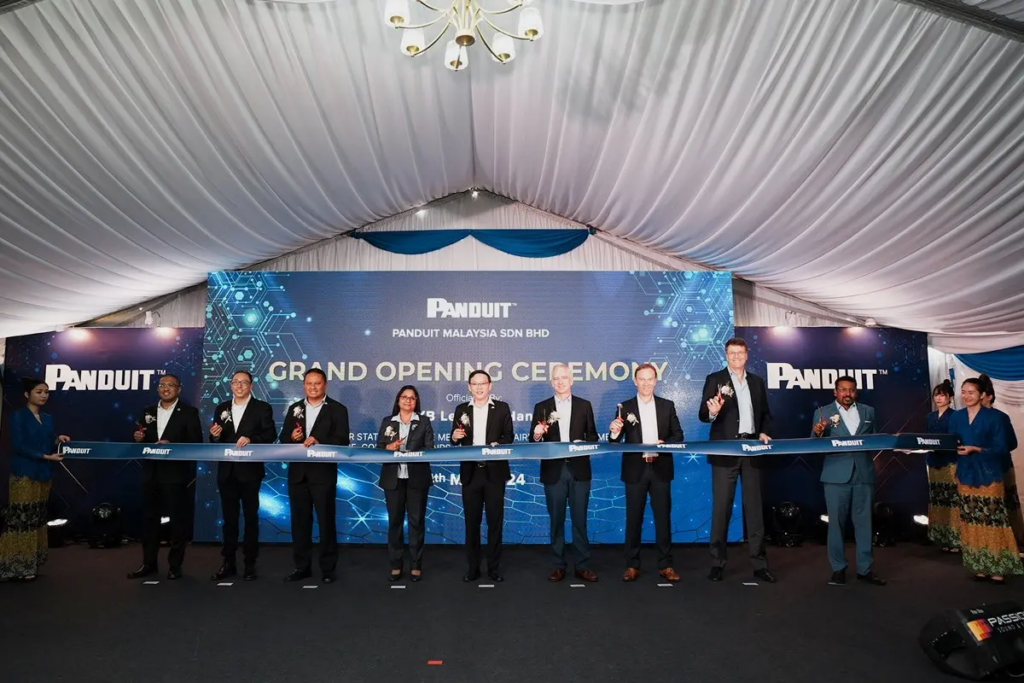
US-based manufacturer of electrical and network infrastructure Panduit Corporation announced the opening of its new state-of-the-art manufacturing facility in Johor Bahru on Wednesday.

Spanning 25,083 square meters, the facility, which began operations in October 2023, manufactures cable tie products, according to a statement from Malaysian Investment Development Authority (Mida). The facility is expected to create 184 new jobs by the end of 2024, the agency said.

“The decision of building a new plant in Johor Bahru will help us remain competitive while maintaining our strategic presence in the area and ensuring ongoing service to our customers,” said Panduit senior vice-president and managing director for Asia-Pacific Harry Woo.

The new facility features advanced robotics and automation to maximise productivity, along with energy-efficient design practices to enhance efficiency and sustainability, said Panduit senior vice-president of operations David Tallentire.

Mida CEO Sikh Shamsul Ibrahim Sikh Abdul Majid said Panduit’s presence enhances Malaysia’s high-tech talent pool while aiding small and medium enterprises to adopt advanced manufacturing technologies and contribute to the development of the plastics industry ecosystem.

Panduit’s decision to establish operations in Johor underscores the state’s strategic advantages, including its location, infrastructure, talent pool, and role as an Asean market hub, said Johor State executive member and chairman of Investment, Trade, Consumer Affairs, and Human Resources Committee Lee Ting Han.

“We trust that this investment will further boost Malaysia and Johor’s reputation as the top investment destination for high technology and precision manufacturing industries,” Lee said.

Source: The Edge Malaysia

US firm Panduit unveils manufacturing facility in Johor Bahru


Content Type:

Duration:

Malaysia and the Kyrgyz Republic have affirmed their commitment to increasing bilateral cooperation for the benefit of both countries and their peoples.

The affirmation came after Prime Minister Datuk Seri Anwar Ibrahim and Kyrgyz President Sadyr Zhaparov signed a joint statement today, following a four-eyed meeting at the Ala Archa State Residence, confirming their mutual desire and readiness for comprehensive enhancement of cooperation.

Anwar is on a two-day official visit to the Kyrgyz Republic at the president’s invitation. He was earlier accorded an official welcome, during which he also inspected the guard of honour.

In a joint statement, both leaders outlined three areas to enhance through cooperation, namely political cooperation; trade, economic, and investment cooperation, as well as cultural and humanitarian cooperation.

Among other points, Anwar and Zhaparov emphasised a common commitment to enhancing regional security and acknowledged the importance of joint efforts in addressing challenges and threats such as international terrorism, cyber threats, transnational crime, and illegal drug trafficking.

“The leaders recognised the need to counter these challenges in a holistic manner and therefore committed to facilitating, as far as possible, cooperation in information exchange and coordination of actions at the international level,” said the statement.

Anwar and Zhaparov also acknowledged the importance of coordinated actions within international organisations such as the United Nations (UN) and the Organisation of Islamic Cooperation (OIC).

They also committed to jointly supporting initiatives to strengthen the world order, justice, and compliance with international law.

Anwar and Zhaparov also agreed to recognise the importance of regular and open dialogue between their governments and will thus ensure regular consultations at various levels, including high-level and senior-level meetings, as well as meetings of diplomatic representatives and experts.

“These meetings will contribute to the exchange of views on current global issues, as well as discussions on matters of bilateral and multilateral interest,” said the statement.

The two leaders also noted the importance of strengthening inter-parliamentary cooperation between the countries as an important component of enhancing bilateral relations.

This includes organising regular meetings of parliamentarians at the level of friendship groups and international committees and arranging reciprocal visits of Speakers and other relevant committees and members of the Parliaments of both countries.

In addition, Anwar and Zhaparov expressed their readiness to actively work towards strengthening and expanding the bilateral legal framework for cooperation.

“The leaders will intensify the process of developing and signing new bilateral agreements covering various aspects of cooperation, including trade, investment, education, healthcare, tourism, certification, science, new technologies, and so on,” said the statement.

Malaysia and the Kyrgyz Republic recognised the importance of education as a key component of cultural and humanitarian cooperation.

Both leaders are confident that the development of educational and cultural ties will contribute to deepening mutual understanding and enriching cultural heritage.

They believe these efforts will strengthen the friendly relations between the peoples of both countries.

“The two parties will actively support the exchange of educational experiences, including student exchange programmes, joint master’s and doctoral programmes, teaching visits, and collaborative research projects.

“This will contribute to the multifaceted enrichment of educational practices and support the development of higher and secondary specialised educational institutions in both countries,” said the statement.

Both leaders will also pay particular attention to developing cooperation in the fields of physical culture and sports to promote a healthy lifestyle.

“The parties will enhance the exchange of sports delegations, strive to organise joint training camps, and support the participation of athletes in international competitions held in the territories of both countries,” it added.

Source: Bernama

Malaysia, Kyrgyz Republic affirm commitment to increasing bilateral cooperation


Content Type:

Duration:

Sarawak’s Oil and Gas sector, bolstered by Carbon Capture, Utilisation and Storage (CCUS), is projected to surpass RM60 billion in gross domestic product (GDP) by 2030, says Sarawak Premier Datuk Patinggi Tan Sri Abang Johari Tun Openg.

He highlighted that the state’s oil and gas sector has yielded significant achievements in recent years, RM10 billion last year from Petronas comprising of sales tax, dividends, and royalty.

“Sarawak has also kickstarted a promising CCUS industry,” he said in his winding-up speech during the State Legislative Assembly (DUN) sitting today.

Apart from that, he said Sarawak will have three landmark Carbon Capture and Storage (CCS) projects signed this year, namely the Kasawari-M1 project, the Lang Lebah-Golok project, and the storage of industrial CO2 emissions M3 project.

With that, he assured that the state government has developed the necessary legal and regulatory framework for the CCS sector to safeguard the rights and environmental safety of Sarawak.

“All companies wanting to develop and operate CCS in Sarawak must comply with our legal and regulatory framework, including the requirement of Environmental Impact Assessments (EIA),” he said.

He said according to the CCUS Market Global Opportunity Analysis and Industry Forecast 2023-2032, the global CCS market presents a compelling opportunity, with a projected Compound Annual Growth Rate of 13.3 per cent.

He said Sarawakian companies are uniquely positioned to capitalise on this nascent market as the region’s early movers and he hence urged them to develop their expertise in this field, establishing themselves as leaders in upcoming regional CCS projects.

“With our oil and gas, and CCUS industry activities accelerating, Sarawak Oil & Gas, Services and Equipment (OGSE) players play an important role in the success and attainment of this ambition.

“Malaysia’s OGSE sector is projected to reach RM40 billion to RM50 billion by 2030. By leveraging Sarawak’s growing oil and gas activity, local OGSE companies can partner and learn from industry leaders, propelling them to regional prominence and, ultimately, global success.

“We envision a future with Sarawak OGSE companies listed on the stock exchange, with substantial valuations comparable to international OGSE players,” he said.

Meanwhile, Abang Johari revealed that since March 2024, Petros has commenced engagements with Petronas, Upstream Gas Producers and Downstream Gas Buyers on the Distribution of Gas Ordinance (DGO) Amendment 2023, which states that Petros is the only party mandated to buy, distribute, and sell gas as the single buyer and single seller in Sarawak.

He said the appointment of Petros as state’s Gas Aggregator marked a significant step forward towards managing Sarawak’s gas resources to ensure availability of gas domestically for power generation as well as new and existing industries required to spur growth and development across the state.

“Petros and Petronas are working together to ensure a seamless transition for the Gas Aggregator role which we expect to be completed by the third quarter of 2024.

“The Gas Aggregator role will enable Petros to invest in gas infrastructure to accelerate the development of the four strategic hubs under the Sarawak Gas Roadmap which will attract more than RM100 billion of Foreign Direct Investment and Domestic Direct Investment opportunities,” he said.

Source: Borneo Post

Sarawak O&G projected to surpass RM60 bln in GDP by 2030, says Premier


Content Type:

Duration:

The US plans to raise tariffs on a wide range of Chinese imports, including semiconductors, batteries, solar cells and critical minerals will benefit Malaysia further as multinational companies look to alternative investment destinations.

In particular, the tariff rate on semiconductor imports from China will double from 25% to 50% by 2025, targeting strategic sectors such as electric vehicles (EVs), batteries, semiconductors, solar cells, medical products, steel, aluminium, critical minerals, and ship-to-shore cranes.

“This move to increase levies on targeted China products will result in Chinese companies, which are already supplying to the United States, looking at putting orders through other companies in the South-East Asia region currently serving the United States market,” Malaysia Semiconductor Industry Association president Datuk Seri Wong Siew Hai told Starbiz.

He said Malaysia stood to benefit from the business diversion given the country’s stronghold in the semiconductor industry.

Malaysia has 13% of the global market for chip packaging, assembly and testing services, according to the Malaysian Investment Development Authority in a Feb 18 report.

It is the world’s sixth-largest exporter of semiconductors.

The semiconductor industry contributes to about 25% of Malaysia’s gross domestic product.

“For the United States, imports of these products from China will become more expensive and they will look for alternative suppliers to support the manufacturing of their products in order to be more competitive.

“Essentially, the higher tariffs imposed on China will open up opportunities for South-East Asian companies which are already supplying similar products to the United States,” he added.

Among the top gainers on Bursa Malaysia at 3.30pm yesterday were semiconductor counters including Unisem (M) Bhd, which rose 2.56% to RM4 and Aurelius Technologies Bhd which was up 1.97% to RM3.11. Meanwhile, Inari Amertron Bhd gained 1.29% to RM3.13 while Vitrox rose 1.21% to RM7.54.

Similarly, AmInvestment Bank Bhd (AmResearch) said in its report yesterday that there will be more intense trade diversions to Malaysia, especially Chinese players that have US customers.

It expected higher foreign direct investment (FDI) inflows to Malaysia for relocation and supply chain divergence.

According to RHB Research, there was an evident growth of FDI and spillover effect to local companies stemming from supply chain divergence and relocation.

“As companies around the world look for an alternative to China to mitigate geopolitical risks – a strategy dubbed as “China Plus One” has benefitted Malaysia given its robust semiconductor ecosystem, supportive infrastructure and wide array of talent pools.

“Chinese suppliers serving major US multinational corporations have also begun partnering with local Malaysian companies to establish plants in Malaysia to continue supplying their US-based customers,” the research house added.

RHB Research pointed out that the tariffs were initially imposed in 2019 on US$300bil worth of goods during the Donald Trump administration and this escalation was not entirely unexpected.

Since the onset of the US-China trade war five years ago, significant supply chain relocations and divergences have occurred, making the semiconductor supply chain more resilient in addressing such challenges.

It said this situation will also open doors for Malaysia-based companies, particularly in the automatic test equipment sub-segment, as Chinese companies shift away from US-based suppliers.

Three outsourced semiconductor assembly and test vendors – Inari Amertron, Malaysian Pacific Industries, and Unisem have exposures through their plants in Kunshan and Yiwu, Suzhou and Chengdu.

“However, we expect the impact to be minimal (if any) as their customers are mainly catering for the non-US market and various programme transfers have taken place since the trade war started five years ago.

“In fact, this development could accelerate and intensify the project and programme transfer or relocation, benefitting the companies in the mid-term,” RHB Research added.

Meanwhile, AmResearch believed that Vitrox Corp Bhd, Greatech Technology Bhd, Pentamaster Corp Bhd and TT Vision Holdings Bhd could be the beneficiaries being involved in the EV, solar, medical and semiconductor sectors.

“However, we expect some negative situation in the end-market which is likely to impact some of our local players.

“We believe end-products such as legacy chips, EV and solar panels could flood the market with oversupply as inventories eventually pile up.

“Hence, we are cautious on the oversupply of end-products that can cause a slower rate of replenishment in orders by Chinese customers,” it added.

The research house also expected intensified competition among Chinese players that could lead to years of market consolidation.

“This will also affect our local players that are tapping into the Chinese market as they face more challenges such as declining market share and prices.

“Overall, we are positive on this development given the increased sourcing of components from Malaysia and longer term FDI flows which will further upgrade the entire supply chain and ecosystem development in the country,” AmResearch added.

Source: The Star

United States tariff hike will benefit Malaysia


Content Type:

Duration:

Sarawak recorded RM22.8 billion of approved investments in services, manufacturing and primary sectors last, Deputy Premier Datuk Awang Tengah Ali Hasan told the state legislative assembly today.

He said domestic direct investment (DDI) was the main contributor at 65.8 per cent or RM15 billion while foreign direct investment (FDI) contributed 34.2 per cent or RM7.8 billion of the total approved investments.

“These approved investments involved 339 projects, which potentially create 4,500 jobs,” Awang Tengah, who is also the state minister of international trade, industry and investment, said in his winding-up speech.

He said the manufacturing sector contributed the most at 40.3 per cent or RM9.2 billion of the total approved investments, followed by the services sector at 38.6 per cent or RM8.8 billion and the primary sector at 21.1 per cent or RM4.8 billion.

He said the manufacturing sector contributed 27.7 per cent to the state’s total Gross Domestic Products (GDP), creating 4,200 employment opportunities.

He said the approved investments in manufacturing were mainly in the electrical and electronics (E&E) sector that produces mainly semiconductors wafers, testing and probing (RM3.4 billion); basic metal (copper foil & building materials) (RM2.6 billion) and chemical products (fertiliser) (RM1.3 billion).

He said it is worth noting that nearly 50 per cent of the approved projects in 2023 have been materialised in various stages of development, including the were E&E, basic metal, chemical and food products projects.

He said for the first quarter of this year, the manufacturing sector recorded RM2.4 billion worth of investment for 30 projects.

He said these investments are expected to create more than 2,000 employment opportunities and were mainly in chemical products (urea and melamine) (RM1.7 billion), basic metal products (metallic silicon and molten aluminium) (RM436 million) and non-metallic mineral products (cement and concrete) (RM143 million).

The minister said Sarawak continues to attract new investment interests and expansion from both FDI and DDI, including the solar glass project and mining of silica sand worth RM6.5 billion; data centre worth RM18.6 billion; and expansion to manufacture components for batteries worth RM1 billion.

He said the manufacturing will shift to more advanced and technology-driven production, move up the value chain and diversify towards sustainable green growth in line with the Post-Covid-19 Development Strategy 2030.

Awang Tengah said his ministry will continue to improve the ease of doing business to attract quality investments, enhancing the position of Sarawak as a preferred investment destination.

He added that the state holds huge potential in the resource-based sector, stating that there is a need to further unlock the opportunities and potential of this sector for the participation of foreign and domestic investors.

“The Sarawak Gas Roadmap comprising four strategic hubs in Miri, Samalaju, Bintulu and Kuching is expected to attract more than RM100 billion worth of FDI and DDI over the next ten years.

“The investment in oil and gas sector will further accelerate the economic growth, create jobs and stimulate infrastructure development,” he said, adding that the state-owned oil company Petroleum Sarawak Berhad (Petros) is investing RM4 billion in Bintulu, Samalaju and Miri hubs in the next three years.

He said these include the RM100 million to deliver gas to Bintulu town by expanding the trunkline and gas network for the benefit of more than 28,000 households, as well as commercial and industrial customers.

He said Petros is also involved in the RM1 billion 65km long Samalaju Pipeline development project to transport natural gas from Bintulu to the Samalaju Industrial Park by 2025.

He said Petros is also involved in the development of the RM2.5 billion 500 megawatts (MW) Miri Combined Cycle Gas Turbine Power Plant which is expected to be commissioned by the fourth quarter of 2027.

He said Petros continues to be actively involved in upstream activities especially in rejuvenating onshore exploration and commercialisation, adding that as of now it is already participating in 18 Sarawak blocks.

Source: Malay Mail

Sarawak records RM22.8b in 2023 approved investments


Content Type:

Duration:

Despite a weak first quarter (1Q24) performance, analysts remain largely positive on Swift Haulage Bhd on the hope the logistics service provider’s businesses will pick up in the second half of the year (2H24) and drive earnings.

MIDF Research stated while Swift’s 1Q24 core earnings of RM7.7mil was at 19% of its estimates, it foresees Swift’s margins rising in 2H24, driven by an anticipated increase in the company’s warehouse utilisation rates.

“The newly operational Westport 269,000sq ft warehouse, since April, has been occupied, with Sharp Electronics Malaysia utilising 70% of the space and a new fast moving consumer goods (FMCG) customer is expected to occupy the remaining space this month.

“The Tebrau warehouse, currently at around 50% utilisation, is anticipating a new FMCG customer to occupy the remaining space by the end of 3Q24 at the earliest.

“Following this, we anticipate margin improvement as the overall warehouse utilisation rate is expected to increase to 80% this year, compared with 74% in 2023,” the research house said.

With these developments in mind, MIDF Research has kept its “neutral” call on Swift without making any changes to its earnings estimates for the logistics group. It however raised its target price for Swift to 54 sen a share from 50 sen, due to the rolling over of its base year to financial year 2025.

According to Maybank Investment Bank Research (Maybank IB Research), while Swift enjoyed a 6% rise in revenue in 1Q24, its core net profit fell 11% year-on-year (y-o-y) due to a lower operating profit margin (attributed to higher overheads, including depreciation) and increased finance costs.

Revenue growth for the period was mainly driven by its land-transport business (up 7% y-o-y) and warehousing and container depot (22% y-o-y) segments due to new capacity additions.

The land-transport segment’s growth was driven by improved demand for express services and car carriers. Swift’s container haulage division saw higher revenue per twenty-foot equivalent units or TEUs from volume recovery among certain long-haul customers, despite an overall volume decline.

Its freight forwarding margins suffered from handling fewer project cargoes even with better rates per job.

It has a “hold” call on Swift with a target price of 51 sen, based on seven times FY24 enterprise value to its earnings before interest, taxes, depreciation and amortisation and in line with its peers’ five-year mean.

Source: The Star

Swift Haulage’s 2H to improve on expansion in warehousing


Content Type:

Duration:

Malaysian rubber glove manufacturers, which have suffered from lower average selling prices caused by intensive competition, may be able to export more to the US as its president Joe Biden raises the tariffs on Chinese rubber medical and surgical gloves from 7.5% to 25% in 2026, among others. 

With the tariff hike, Chinese gloves will be more expensive in about two years compared to now. 

While Malaysia has some of the world’s largest glovemakers, their pricing power has been diminishing due to competition from Chinese players who make cheaper gloves, hurting the margins of Malaysian glove manufacturers.

Consequently the Malaysian glove industry has been operating at a low utilisation rate below 50% due to an enduring oversupply of gloves, while the overall sales volume has declined year-on-year. In contrast, Chinese glove players are still running at near full capacity, according to a note by PublicInvest Research in February.

Based on the research firm’s channel checks, Chinese players are currently selling about US$2 (RM9.47) per 1,000 pieces cheaper than their Malaysian counterparts, pricing their products at US$16-US$18 per 1,000 pieces.

In September 2021, the US lifted a year-long ban imposed on imports from Top Glove Corp Bhd (KL:TOPGLOV) for alleged forced labour, after a thorough review of evidence that showed the company had addressed all indicators of forced labour. 

The US is a major export market for Top Glove, accounting for 17% of its sales volume. Pre-pandemic, the US accounted for around 25% of its total sales. 

Supermax Corp Bhd (KL:SUPERMX) was also hit with a similar import ban in the US in 2021 but was later lifted in 2023, following the “successful remediation of forced labour indicators”.

The US historically contributes around 20% to 30% of its earnings.

Supermax has set aside a budget of US$350 million (RM1.7 billion) for the first phase of its expansion to set up a plant in the US. Installation of machinery is expected to start this year when civil and structural works are completed.

Supermax’s US expansion is on the grounds that there would be increasing barriers to entry and higher import duties imposed in the future. Hence, domestic manufacturers would have an edge in the US against Chinese competitors. 

With the announcement on the tariff hikes on Chinese imports, the big investment by Supermax may well be worth it after all. 

Meanwhile, Hartalega Holdings Bhd (KL:HARTA) commands about 18% of the market share in the US for their nitrile glove industry, according to the Malaysia External Trade Development Corp (Matrade). The company exports 100% of its products internationally, including the Americas, Europe, the Asia-Pacific, Africa, and the Middle East.

Source: The Edge Malaysia

US tariff hike on Chinese products may augur well for Malaysian glovemakers


Content Type:

Duration:

Malaysia can further strengthen bilateral ties with Qatar that have been established since 1974 through the halal industry, Islamic banking, renewable energy, and the application of artificial intelligence (AI), among others, said an academician.

Universiti Sains Islam Malaysia, Faculty of Economics and Trade senior lecturer Dr Umi Hamidaton Mohd Soffian Lee said reinforcing bilateral ties with Qatar will ensure Malaysia’s economy is on a good track and in line with other developed countries.

“We are in the midst to upmerge the halal industry, among other industries. Through AI, we want to make sure that our country is as successful as other developed countries.

“We do not want to fall behind so we will attempt to integrate this AI element in new sectors that we can explore, for example in the field of halal and Islamic finance and look forward to transforming the existing digital economy,” she said during Bernama TV’s “Malaysia Petang Ini” programme, titled “Malaysia’s Mission to Attract Qatari Investors”, today.

Umi Hamidaton elaborated that Malaysia can project the halal industry through AI because the development of the industry is expected to reach up to RM500.4 billion by 2030.

“I see that this proliferation can make a big contribution to the gross domestic product (GDP) that we are trying to achieve which is 8.1 per cent by 2025.

“We have a well-defined plan called the Halal Industry Master Plan 2030 (HIMP 2030). This plan can be an avenue to explore with Qatar, given their potential to produce products or services that we can showcase,” she said.

Umi Hamidaton explained that Qatar recorded the highest per capita income in the world and is one of the potential investment destinations that are lucrative for companies investing in the country.

“Investing companies in the country, for example, can seize the opportunity from the intimate business relationship that had been built over the years to develop with the richest country in the world,” she said.

In 2023, the total bilateral trade between Malaysia and Qatar stood at RM4.3 billion.

Malaysia’s main exports to Qatar are iron and steel products amounting to 37.2 per cent; machinery, fittings and equipment (16.5 per cent); palm oil and palm oil-based agricultural products (8.5 per cent), while the rest is processed food and electrical and electronic products.

Meanwhile, Malaysian imports from Qatar consist of petroleum products (47.4 per cent), crude petroleum (31.5 per cent); chemicals and chemical products (10.5 per cent), manufactured metal goods (9.3 per cent) and palm oil-based manufactured products (0.3 per cent).

From January to March 2024, Malaysia’s total trade with Qatar increased 178.4 per cent to RM1.43 billion (US$303.9 million) compared to RM514.9 million (US$116.7 million) for the same period in 2023.

Qatar was Malaysia’s fifth-largest trading partner in 2023, being the sixth-largest export destination and sixth-largest source of imports from the West Asian region.

Prime Minister Datuk Seri Anwar Ibrahim’s official visit to Qatar, commencing from May 12 until May 14, is expected to further deepen bilateral relations between Malaysia and Qatar in various aspects.

While in Doha, Anwar, who is also the Minister of Finance, will participate in the Fourth Qatar Economic Forum (QEF) 2024 and meet with captains of industry and investors from Qatar to attract investments for the MADANI Economy initiative.

Anwar will also attend a meeting with the Malaysian diaspora in Doha.

Source: Bernama

Enhance Malaysia-Qatar bilateral relations by exploring benefits of various sectors — Academician


Content Type:

Duration:

Swedish multinational engineering company Sandvik has launched its new production facility in Malaysia dedicated to manufacturing underground load and haul equipment.

Sandvik Mining and Rock Solutions president Mats Eriksson said the factory aims to support the assembly production of all Sandvik load and haul underground loaders and trucks, including battery electric vehicles (BEV), and establish a robust supplier network in the region.

“The Seremban facility is important to ensure flexible manufacturing of both conventional diesel and battery-electric loaders and trucks while adhering to Sandvik’s stringent standards for sustainability, quality, and safety.

“Sandvik’s commitment to delivering maximum value in sustainability, performances, quality, safety, flexibility and total economy is evident in this endeavour,” he said during the Sandvik Seremban Grand Launch ceremony here today.

The launch ceremony was officiated by Negeri Sembilan Menteri Besar Datuk Seri Aminuddin Harun.

Eriksson said that with an initial investment value of RM150 million, the factory would create potential job opportunities for the local community.

He added that the machines assembled in Malaysia at the new factory would be the Toro LH517 loader, with production expected to ramp up over the coming year, while the Toro TH545 trucks would commence production later in the year as part of a crossmanufacturing plan.

“Battery product manufacturing is slated to begin by the third quarter of this year, with the BEV unit assembly scheduled for 2025 aligning with future electrification goals,” he said.

Meanwhile, Aminuddin said the launch of the Seremban factory underscored Sandvik’s commitment to a new assembly production facility, indicating a major advancement in the underground mining equipment sector.

“I would like to express my gratitude to Sandvik for choosing Negeri Sembilan as the first site of its kind in Malaysia and I hope Sandvik may contribute to the creation of skilled workforce in this state,” he said.

The new factory, spanning over 8,000 square metres, is located in the Sendayan Techvalley Industrial Park and comprises 15 versatile assembly cells.

Sandvik Mining and Rock Solution, a business area within the Sandvik Group, is a leading global supplier of equipment and tools, parts, services, digital solutions and sustainability-driven technologies for the mining and construction industries.

Source: Bernama

Sandvik launches new load and haul factory in Malaysia


Content Type:

Duration:

The meeting between Datuk Seri Anwar Ibrahim and executives and business leaders from Qatar here has yielded results as the Ministry of Investment, Trade, and Industry (Miti) received export potential worth RM700 million.

The announcement was made by Minister of Investment, Trade, and Industry Tengku Datuk Seri Zafrul Abdul Aziz, during his speech at a Malaysian community dinner in Qatar with the Prime Minister last night.

Tengku Zafrul said that the export commitment was stated by 36 captains of industry from Qatar during a business roundtable meeting chaired by the prime minister.

“Alhamdulillah, we received a commitment worth RM700 million. This shows Qatar companies’ confidence in our products and services. Furthermore, we also see the potential of the West Asian market, which is a significant market for Malaysia that we can explore,” he said when met after the dinner attended by more than 500 Malaysians.

    Earlier, a total of 45 prominent industry captains from 36 companies representing sectors such as food and food processing, pharmaceuticals, construction materials, real estate and construction, education, hospitality and healthcare, finance, aviation, retail and distribution, and the digital economy attended the roundtable meeting.

    During the roundtable dialogue, Anwar reiterated Malaysia’s commitment to strengthen bilateral relations with Qatar, especially in trade and investment.

    He emphasised Malaysia’s attractive value, with its robust infrastructure, rule of law factor, presence of skilled and trainable talent, disciplined project implementation, and vibrant business ecosystem.

    He said it made an attractive destination for investors aspiring to make Malaysia a strategic manufacturing and service hub for the Asian market, besides attracting new opportunities for growth and diversity.

    Tengku Zafrul also said the roundtable meeting in Doha served as a catalyst for fostering strategic partnerships, promoting investment and trade opportunities, besides enhancing bilateral cooperation between the two countries.

    He reiterated Miti’s and its agencies’ priority to facilitate all export and investment commitments by Qatari businesses, especially in sectors such as chemicals/petrochemicals, digital economy, electrical and electronics (including medical devices), food processing, halal industry, pharmaceuticals, oil and gas, and renewable energy.

    Also highlighted was Malaysia’s strategic importance as a major trading partner, considering its membership in 16 Free Trade Agreements that can be leveraged by Qatari businesses based in Malaysia.

    Source: NST

    Tengku Zafrul: Anwar’s meeting in Qatar secures RM700mil export commitment


    Content Type:

    Duration:

    The incoming Singapore Prime Minister, Lawrence Wong, who is scheduled to take the oath of office tomorrow, will enhance bilateral relations between Malaysia and Singapore, said Minister of Investment, Trade, and Industry Tengku Datuk Seri Zafrul Abdul Aziz.

    In a post on X today, Tengku Zafrul said Malaysia and Singapore have indeed been strong trade and investment partners for a long time.

    “However, the world now has to face two main megatrends, namely deglobalisation and also the need to achieve zero carbon emission target to improve the world’s socio-economic situation,” he said.

    Hence, Tengku Zafrul said Malaysia and Singapore have the synergy to develop the required leadership needed for the ASEAN region in both matters, especially during Malaysia’s ASEAN chairmanship next year.

    He also welcomed the promotion of Gan Kim Yong as Singapore’s deputy prime minister, who is currently the republic’s minister for trade and industry.

    “I am confident that these two old friends of mine can navigate issues of mutual interest, such as investment in Johor, to bring overflowing development for both Malaysia and Singapore,” said Tengku Zafrul.

    Wong, 51, is scheduled to be sworn in as Singapore’s fourth prime minister to replace Lee Hsien Loong, 72, who has served as premier since 2004.

    Source: Bernama

    New Singapore Prime Minister will strengthen Malaysia-Singapore bilateral relations – Tengku Zafrul


    Content Type:

    Duration:

    The Qatar Economic Forum (QEF) 2024 commenced today, featuring numerous global leaders, including Prime Minister Datuk Seri Anwar Ibrahim, who will present their countries’ top selling points to attract investors.

    In addition to Qatari Prime Minister and Foreign Affairs Minister Sheikh Mohammed bin Abdulrahman Al-Thani, the fourth edition of the QEF will be attended by Polish President Andrzej Duda, Indonesian President-elect Prabowo Subianto, and President of the Republic of Palau, Surangel S. Whipps Jr.

    These leaders, along with over 100 chief executives, influential voices, and decision-makers from sectors such as economics, finance, technology, investment, energy, education, sports, and climate, are expected to provide insights into their respective countries.

    The first day will commence with an opening address by Sheikh Mohammed, followed by three sessions featuring Sheikh Mohammed, Duda, and Anwar.

    Anwar will take the main stage in a session titled “In Conversation with the Prime Minister of Malaysia,“ moderated by Bloomberg TV anchor and chief international correspondent for Southeast Asia, Haslinda Amin.

    During his 30-minute session, Anwar who is also the Finance Minister, will discuss the attractiveness of Malaysia as an investment destination, emphasising its appeal beyond Qatar, West Asia, and the Gulf Cooperation Council (GCC) market.

    The Amir of Qatar, Sheikh Tamim bin Hamad Al-Thani, will also grace the event.

    Under the theme “A World Remade: Navigating the Year of Uncertainty,“ the forum’s discussions will focus on five key areas: geopolitics, globalisation and trade, the energy transition, technology innovation, business and investment outlook, as well as sports and entertainment.

    In addition to the main stage discussions, more than 70 speakers will participate in 12 breakout sessions across two stages, addressing themes such as investing in emerging markets, rewiring global trade and real-life applications of artificial intelligence.

    Following his session, Anwar is scheduled to hold a bilateral meeting with Duda and participate in an interview with Al-Jazeera.

    The Prime Minister will conclude his official visit by inaugurating the UKM Qatar offshore campus.

    Anwar is currently on his maiden three-day official visit to the Qatari capital.

    Source: Bernama

    Malaysia to woo investors at Qatar Economic forum


    Content Type:

    Duration:

    Malaysia must explore the potential for cooperation with Qatar in the artificial intelligence (AI) sector and take advantage of the incentives amounting to nine billion Qatari riyals (RM1=0.77 Qatari cents) announced by the kingdom.

    Prime Minister Datuk Seri Anwar Ibrahim welcomed the announcement of the incentives, saying this is in line with the government’s aim to empower the sector in Malaysia.

    “Yes, our focus is cooperation with Qatar in the field of AI. That is there. For example, Qatar has an AI research institute. (Thus) I have asked (Higher Education Minister) Datuk Seri Dr Zambry Abd Kadir to take follow-up action with his counterpart, the Minister of Education of Qatar,“ he told Malaysian reporters, concluding his visit to the West Asian country today.

    Earlier, Qatar Prime Minister Sheikh Mohammed bin Abdulrahman Al-Thani, who is also the Minister of Foreign Affairs, announced a “massive” digital transformation effort with incentives worth about nine billion Qatari riyals, including in the field of AI, during the Qatar Economic Forum this morning.

    Anwar, also the Minister of Finance, said that among the forms of cooperation that can be done with Qatar in AI is education and investment. Commenting on the results of his short visit to Qatar, he said the confidence of Qatari companies in Malaysia’s ability has resulted in an export value potential of RM700 million.

    Thus, Anwar said he is optimistic that bilateral trade between the two countries will exceed the amount of trade achieved last year, extending the upward trend.

    “In these three months, due to the encouragement from the Qatari government as well, the increase in trade (increased by almost 180 per cent). Both the (Qatar) leaders, the Emir of Qatar (Sheikh Tamim bin Hamad Al Thani) and the Prime Minister (Sheikh Mohammed Abdulrahman Al Thani), in addition to the (Qatar) ministers who met my fellow ministers, assured that this amount will be increased much more in terms of trade, investment and cooperation,“ he added.

    The total bilateral trade between Malaysia and Qatar reached RM4.2 billion last year.

    From January to March this year, total trade between the two countries increased 178.4 per cent to RM1.43 billion (US$303.9 million) compared to RM514.9 million (US$116.7 million) for the same period in 2023.

    As of last year, Qatar was Malaysia’s fifth largest trading partner, the sixth largest export destination and the sixth largest source of imports from the West Asian region.

    Anwar, who ended his official visit to Qatar today, is scheduled to depart for the Kyrgyz Republic by boarding a special plane at the Doha International Airport here this evening.

    Source: Bernama

    Leverage on Qatar’s digital transformation, take advantage of incentives – PM Anwar


    Content Type:

    Duration:

    Malaysia’s approved investments hit a record RM329.5 billion in 2023, but the impact on local supply chain companies, banks, and capital markets remains uncertain, according to Affin Hwang Investment Bank.

    However, there are promising developments that could enhance the benefits of these foreign direct investments (FDI) across various sectors.

    Citing an example, Affin Hwang said Sime Darby Plantation Bhd plans to develop the Kerian Integrated Green Industrial Park (KIGIP) in Perak. 

    “This project aims to attract industrial plants powered by solar energy, using solar photovoltaic (PV) plants within the park,” Affin Hwang added.

    The KIGIP project highlights Malaysia’s commitment to sustainable industrial growth and could be a model for integrating renewable energy into industrial development.

    The Penang Institute, advising the Penang state government, is exploring a Special Financial Zone in the northern region. 

    “This initiative aims to create a financial hub to make it easier for local companies to access capital,” said Affin Hwang. 

    The goal is to help these companies expand and become key parts of the supply chain for multinational corporations (MNCs), especially in the semiconductor and electric vehicle (EV) battery industries, which are rapidly growing in Malaysia.

    Affin Hwang said the Malaysia Investment Development Authority has identified several companies already benefiting from FDI inflows. They include Greatech, Vitrox, Oppstar and YBS International. 

    “These companies are poised to play crucial roles in Malaysia’s industrial growth and integration into global supply chains,” Affin Hwang said.

    As Malaysia continues to attract significant foreign investments, these strategic initiatives and developments are expected to boost the local economy, drive sustainable growth, and position Malaysia as a key global player.

    Significant investments have also been seen in Malaysia’s data center industry, attracting global tech companies like Microsoft, Nvidia and Amazon. 

    With the rapid evolution of AI and cloud computing, Malaysia is well-positioned to capitalise on digital transformation, driving economic growth. 

    The demand for renewable energy, driven by national and corporate commitments to achieve net-zero emissions, is becoming a pivotal factor in attracting FDI to the region.

    Affin Hwang said Malaysia’s private investment had grown faster in 2023, indicating a recovery in investment activities amid global recovery. 

    Revitalising both FDI and domestic direct investment (DDI) is crucial for Malaysia’s economic growth, it added.

    “By fostering a conducive environment for private investment, Malaysia can achieve significant economic expansion, moving closer to its goal of becoming a high-income nation,” it said.

    Source: NST

    Promising developments to enhance FDI benefits for various sectors in Malaysia


    Content Type:

    Duration:

    Investments from America in Malaysia have risen significantly due to the strong bilateral relationship between the two nations, said US Ambassador to Malaysia Edgard D Kagan.

    He said American companies are the largest investors in Malaysia, with a strong presence for nearly 70 years.

    “American companies have a strong presence here in the tin industry. American demand was critical in developing the rubber industry, but also Americans had a very strong role in oil and gas, as well as the development of American investment in the electrical and electronics sector.

    “Today, American companies employ over 300,000 Malaysians; they pay over twice the average salary. In Malaysia, we pay RM6,500 a month on average,” he told a press conference after visiting the Semenggoh Wildlife Centre here yesterday.

    He said how American companies have invested in Malaysians is also a point of pride.

    “When I travel, I’m always impressed how many Malaysians who run major Malaysian companies, have started Malaysian companies, actually at one point in their careers, worked for American companies.

    “I think that that’s a testament to the investment in the skills of the workforce that American companies have been putting in for decades,” he explained.

    Kagan said the Sarawak government has done much to improve its infrastructure and made the state more attractive for investors.

    He said what the state can offer in terms of renewable energy is deemed an increasingly important factor when companies decide where they invest.

    “I believe my role as ambassador is to make sure American companies will have the opportunities in Malaysia as a whole, and then in specific parts of Malaysia, including Sarawak; while also engaging with the Malaysian government to make sure that they know what are the interests, what are the concerns that American companies have as they make decisions on policy. They know what kinds of policies will be attractive for serious investors the way American companies have been over so many years,” he said.

    On collaboration between Malaysia and the US in terms of renewable energy and sustainability, Kagan said Sarawak is eager to attract more investors as the state has hydropower as well as the potential to expand significantly in other areas, which is vital for companies as they aim to achieve net-zero carbon emissions. 

    Source: Borneo Post

    US investment in Malaysia on the rise thanks to strong bilateral ties, says ambassador


    Content Type:

    Duration:

    The location and size of the Johor-Singapore Special Economic Zone (JS-SEZ), covering Iskandar Malaysia and Pengerang, will benefit a lot more companies and sectors.

    RHB Research said it is upbeat about the recent new reports that JS-SEZ will cover a total of 3,505sq km, with about 2,300sq km in Iskandar Malaysia and 1,200sq km in Pengerang.

    Landowners with parcels located in strategic areas in Iskandar Malaysia and Pengerang that are closer to the Second Link to Singapore and Kulai will benefit more, the research house said.

    These include UEM Sunrise Bhd, Sunway Bhd, and IOI Properties Group Bhd.

    Other major landowners in Iskandar Malaysia include Mah Sing Group Bhd, LBS Bina Group Bhd, Eco World Development Group Bhd, AME Elite Consortium Bhd, KSL Holdings Bhd, Scientex Bhd, Iskandar Waterfront City Bhd and Crescendo Corp Bhd.

    Even other non-developers such as YTL Corp Bhd, with 1,640 acres in Kulai, MPHB Capital Bhd with 1,663 acres in Pengerang, and MMC Corp Bhd being a controlling stakeholder of Port of Tanjung Pelepas, will benefit from the SEZ.

    RHB Research does not rule out the possibility that some plantation companies that have sizable holdings in Iskandar Malaysia may also explore opportunities that the SEZ will bring.

    Besides providing more clarity about the size and location of JS-SEZ, the Johor government also mentioned 16 economic sectors that will be focused on that are expected to provide spillover benefits to the people of the state.

    Johor Mentri Besar Datuk Onn Hafiz Ghazi recently said the SEZ will involve six local councils – Johor Baru, Iskandar Puteri, Pasir Gudang, Kulai, Pontian and Kota Tinggi.

    The economic sectors that are expected to play a significant role in the SEZ include electrical and electronics, pharmaceuticals, manufacturing, aviation, specialty chemicals, logistics, healthcare, education, halal industry, finance and business services, digital economy and tourism.

    RHB Research said it understands green/renewable energy is also included.

    The research house said the zoning of the SEZ is a lot wider than expected and although the areas involved are huge, the research house believes the infrastructure and key economic activity will likely focus on key locations, such as Johor Baru.

    It would also cover Iskandar Puteri and Pasir Gudang, both of which feature mainly townships and industrial areas; Kulai, which is home to Senai International Airport, residential and industrial areas, and data centres; and Pengerang, which is a regional oil and gas hub.

    Once set up the SEZ would be nearly twice the size of China’s Shenzhen at 3,505 sq km.

    Official engagements with Singapore on the economic zone are expected to begin in June, Onn Hafiz said.

    The research house said it believes upcoming news about JS-SEZ will likely cover more details on the execution, which may include the implementation of a passport-free QR code immigration clearance system, adoption of digitised processes for cargo clearance, as well as potential incentives to be offered to players in various industries.

    Source: NST

    Size of JS-SEZ to bring more benefits to a host of industries


    Content Type:

    Duration:

    wpChatIcon