


2024 Archives - Page 46 of 77 - MIDA | Malaysian Investment Development Authority
English
contrastBtngrayscaleBtn oku-icon

|

plusBtn crossBtn minusBtn

|

This site
is mobile
responsive

sticky-logo

Port of Tanjung Pelepas now fifth most efficient container port in the world

Port of Tanjung Pelepas (PTP), a joint venture between Malaysia’s MMC Group and the Netherlands’ APM Terminals, is now the fifth most efficient container port in the world.

According to the recently published 2023 Container Port Performance Index (CPPI), PTP has risen from sixth place to the fifth ranked. PTP has also secured the top spot in Southeast Asia.

The CPPI, developed by the World Bank and S&P Global Market Intelligence, is based on the most extensive dataset to date, covering 405 ports worldwide. It includes more than 182,000 vessel calls, 238.2 million moves, and about 381 million twenty-foot equivalent units (TEU) for the whole of 2023.

PTP chairman Tan Sri Che Khalib Mohamad Noh said, “Achieving this new World Top 5 title shows that PTP’s drive for enhanced safety, operational excellence and continuous improvement truly makes a difference, boosting our performance throughout the supply chain and enabling us to deliver the best service to our customers.”

As the top performer in Southeast Asia, he added, PTP not only reinforces its status as Malaysia’s busiest and largest transshipment hub, but also solidifies its position as a vital trade gateway for this entire region, even amidst today’s challenging global shipping environment.

“This significant achievement is a testament to the remarkable tenacity of our people, and we are immensely proud of their efforts. It highlights our stability and unwavering commitment to serving our customers in the best possible way. I salute our hardworking employees for this outstanding accomplishment and extend my gratitude to all stakeholders who supported us,” said Che Khalib.

PTP CEO Mark Hardiman said, “This world ranking achievement is a significant milestone for PTP. Along with our various other accomplishments over time, it highlights PTP’s importance to the maritime sector, economic well-being, and trade for the global network.

“Equally important is our commitment to a clear business sustainability agenda as by aligning our environmental, social and governance initiatives, safety policies and digitalisation strategy, we not only enhance efficiency and optimise operations, but also minimise our environmental impact. One significant target is our on-going efforts aimed

at achieving a targeted 45% reduction in emissions by 2030, while we continue to strive for high performance.”

He added that the port will continue to invest in infrastructure, cutting-edge technologies and workforce to strengthen its leadership in global container port operations.

Recently, PTP became the first port in Malaysia to handle a record 1,077,747 TEU in a single month, May, without any congestion.

Source: The Sun

Port of Tanjung Pelepas now fifth most efficient container port in the world


Content Type:

Duration:
THE National Semiconductor Strategy (NSS) announced during the recent widely attended SEMICON South-East Asia 2024, is a step in the right direction.

But visibly absent in the plan is one element which the sector needs — the acknowledgement that Malaysia cannot move up the sector’s value chain without putting out the red carpet to attract foreign engineering talent into the country.

As industry veteran Datuk Seri Wong Siew Hai has been saying for a while now, there just aren’t enough high quality engineers being produced by our education system.

In Malaysia now, the problem has been exacerbated by the spike in foreign investment of companies in the semiconductor ecosystem coming here to set up shop.

The problem is a global one. And the global players are doing just that. In countries like the US and Singapore, foreign engineers are brought in and offered residence after proving themselves.

Instead, the NSS has a big goal of steering the country towards producing 60,000 high skilled engineers. It is unclear how that is going to be achieved.

As part of the NSS, some other big goals were set — for Malaysia to become “a global R&D hub for semiconductors, featuring world-class universities, corporate R&D, and centres of excellence”.

These are great targets but they sound like they will take some time to develop. Such moves also cannot be achieved without opening our doors to foreign talent in a big way.

There is a general reluctance by the government to provide work permits for foreign workers in high skilled jobs, let alone issuing such workers with residency status.

The fear has been that opening up in that way would deprive Malaysians of jobs but as industry officials have often voiced out, by bringing in one good engineer, more local jobs will be created as a spillover effect of the success of that firm.

Another key aspect of the NSS is for an allocation of a whopping RM25bil to boost the sector. Details of that are yet to be known and are being worked out by the Ministry of Investment, Trade and Industry.

One thing that the government ought to stay away from is in trying to create another government-owned wafer fabrication company. Billions of ringgit went into this attempt in the past and it proved to be a massive bet gone wrong, with a huge amount of the investment written off by the government.

The two wafer fabs were Silterra and 1st Silicon. They still exist but in a smaller form and with ownership transferred to private hands, at a huge discount compared to the investment poured in by the government.

Instead, if money is going to be spent, it should go towards subsidising integrated circuit (IC) design houses.

The NSS envisages the creation of more IC design and advanced packaging companies in Malaysia, which are correct targets to have as these companies are higher up the value chain, make more profits with better margins and entail the creation of intellectual property.

But IC design houses are costly enterprises. Software and hardware tools, coupled with prototyping and salary costs of design engineers can go into the tens of millions of ringgit.

China plays this game by providing subsidies for every step along the journey of the IC design house. They also subsidise the salaries of foreign talent in the form of senior engineers who the IC design house is able to recruit.

This is a good way for Malaysia to spend RM25bil, rather than trying to set up any government-owned entity to run a business. Most of such enterprises in the past have failed to deliver on what they were set up to do.

The NSS is a step in the right direction. The semiconductor industry in Malaysia is one that Malaysia is proud of, and one that we should be banking on for further growth.

The catch is, many other governments have realised the importance of the sector and are ramping up their own national plans.

India and Vietnam are good examples. Not to mention that semiconductors form the basis of the trade and political tussles between the US and China.

Incidentally, Malaysia remains a big beneficiary of the trade war as we have become a bridge between the two countries. Setting up a production house here in Malaysia circumvents trade sanctions plus reduces supply chain risks.

But the NSS also needs to be more than just a good big picture plan. It needs to help push facilitative initiatives such as fast-tracking the hiring of foreign engineers and reducing red tape in the creation of more enterprises in the sector.

Despite failed attempts at nudging our semiconductor industry higher up the value chain, it is not too late to try again.

Source: The Star

Another big semiconductor push


Content Type:

Duration:

Avisena Healthcare today celebrated the groundbreaking of its additional medical facility at Avisena Specialist Hospital in Shah Alam, marking a pivotal moment in its commitment to providing advanced quality patient care to cater to the increasing population in the Klang Valley. The event was officiated by Yang Berhormat Datuk Seri Dr Dzulkefly Ahmad, Minister of Health Malaysia.

The expansion building, set to be completed and operational by 2027, will feature 275 beds, 35 sub-specialities, over 80 specialist suites, 10 state-of-the-art operation theatres, including one hybrid operation theatre, and comprehensive oncology services. The 11-storey building, connected to the existing structure by a two-storey enclosed bridge, is designed with a modern ‘Biophilic’ architectural concept, promoting a healing environment through natural elements.

This expansion aims to enhance Avisena Specialist Hospital’s capability to deliver high-quality healthcare to a broader patient base, aligning with the government’s Public-Private Partnership (PPP) initiatives to strengthen healthcare access across the nation.

Yang Berhormat Datuk Seri Dr Dzulkefly Ahmad, Minister of Health Malaysia, commended Avisena Healthcare’s efforts, highlighting the importance of such initiatives in achieving the nation’s healthcare goals. “The expansion of Avisena Specialist Hospital is a commendable initiative that aligns with our national healthcare objectives. By increasing the number of hospital beds and enhancing specialised services, Avisena Healthcare is contributing significantly to our goal of improving healthcare access and quality for all Malaysians. This project is a clear example of the effective collaboration between public and private sectors in advancing our healthcare infrastructure, such as the accessibility treatment for cancer patients and palliative support services.”

Elina Nadia Omar, Group Chief Executive Officer of Avisena Healthcare, expressed her gratitude and vision for the future, “Today marks a historic moment for Avisena Healthcare as we embark on this significant expansion. We are committed to providing top-quality healthcare, and with this new facility, we aim to bridge the gap between patients and healthcare providers, ensuring quality and efficient care for all. This expansion not only enhances our capacity but is also designed with patient comfort in mind. It integrates smart technology to improve service delivery and reduce waiting times, making healthcare more accessible and efficient.”

Avisena Specialist Hospital is set to elevate its Centres of Excellence, encompassing fields such as Cardiology, Diabetes, Endocrinology and Metabolism (ADEM), Orthopaedics (Trauma and Spine) and Ear, Nose and Throat (ENT). These specialised units will enhance the hospital’s ability to provide advanced care in critical areas of medicine.

Moreover, the hospital will become the largest comprehensive oncology hub in the Shah Alam and Klang districts by 2027. Elina Nadia Omar emphasised, “With the introduction of state-of-the-art chemotherapy and radiotherapy facilities, we are dedicated to addressing the increasing demand for advanced cancer care, which includes supporting ongoing research to find better treatments. Our goal is to ensure that patients receive the best possible care.” In support of cancer awareness and treatment, Avisena Healthcare has made a donation to the National Cancer Society Malaysia (NCSM).

Avisena Healthcare also serves as a hub for medical tourism. Collaborations with the Malaysia Health Tourism Council (MHTC) and government agencies aim to attract international patients, further positioning Avisena Healthcare as a key player in the global healthcare market.

Avisena Healthcare is dedicated to fulfilling its commitments to sustainability. Participating in the Low Carbon Cities Framework since 2015, Avisena Healthcare has achieved a 14% decrease in annual greenhouse gas emissions and aims for a 30% reduction by 2030 through the UN Global Compact’s SDG Ambition Accelerator programme. Avisena Healthcare also provides free medical services through Klinik Bergerak Sutera, while Yayasan Avisena supports underprivileged patients, especially in emergency and life-saving cases.

By 2027, Avisena Healthcare will be able to provide 405 patient beds, 13 operation theatres, 150 medical specialists, and 1,600 staff across its Shah Alam hospitals. Avisena Healthcare’s investment extends beyond the development of the additional medical facility at Avisena Specialist Hospital Shah Alam; it also includes the upcoming Avisena Specialist Hospital Cyberjaya that is set to be operational by 2029 and the expansion of the Avisena Dialysis Centre network.

Source: The Edge Malaysia

Avisena Specialist Hospital Unveils Major Expansion — Elevating Healthcare Services in Shah Alam and the Klang Valley


Content Type:

Duration:

The Ministry of Investment, Trade and Industry (Miti) will develop special incentives for artificial intelligence (AI) data centres, said its minister Tengku Datuk Seri Zafrul Abdul Aziz.

He said that AI data centres have a significant and positive economic spillover effect.

“Investment in advanced technology infrastructure and AI data centres can support the Madani government’s commitment to accelerate the nation’s digital transformation agenda across all sectors, while also facilitating the transition to a high-income economy.

“From 2021-2023, Malaysia approved RM114.7 billion worth of investments in data centres and cloud services, creating 2,325 high-value jobs in specialised fields such as data scientists, data analysts, data engineers, cybersecurity analysts, and network engineers,” he said in a post on X on Tuesday.

Tengku Zafrul added that as such, Miti will ensure Malaysia remains a preferred investment destination for AI data centres.

“The National Investment Council has agreed for the Malaysian Investment Development Authority (Mida) to provide an incentive framework, including the use of energy- and water-efficient equipment, as well as sufficient renewable energy to facilitate AI data centre investments in Malaysia,” he said.

Source: Bernama

MITI to develop special incentives for AI data centres, says Zafrul


Content Type:

Duration:

US-based MKS Instruments, Inc said on Tuesday that it plans to build a factory in Penang to support wafer fabrication equipment production in the region and globally.

MKS, which makes instruments, subsystems, systems, and process control products, will construct the new facility in three phases, the Malaysian Investment Development Authority (Mida) said in a statement. Groundbreaking is expected to commence in early 2025, the state agency noted.

Financial details of the project were not disclosed.

“This new facility highlights Malaysia’s attractiveness as a strategic hub for innovation and manufacturing, reflecting the company’s confidence in our highly skilled workforce and favourable business environment,” said Mida chief executive officer Sikh Shamsul Ibrahim Sikh Abdul Majid.

Penang is home to a strong semiconductor ecosystem with close proximity to MKS’ customers and suppliers and robust technology infrastructure, Dr John TC Lee, chief executive officer of MKS, said in the same statement.

“Expanding our business in Malaysia is an important milestone for our company, as we seek to continue to enhance our capabilities as a leader across a broad array of semiconductor manufacturing applications,” he said.

Source: The Edge Malaysia

US-based MKS Instruments to build a factory in Penang


Content Type:

Duration:

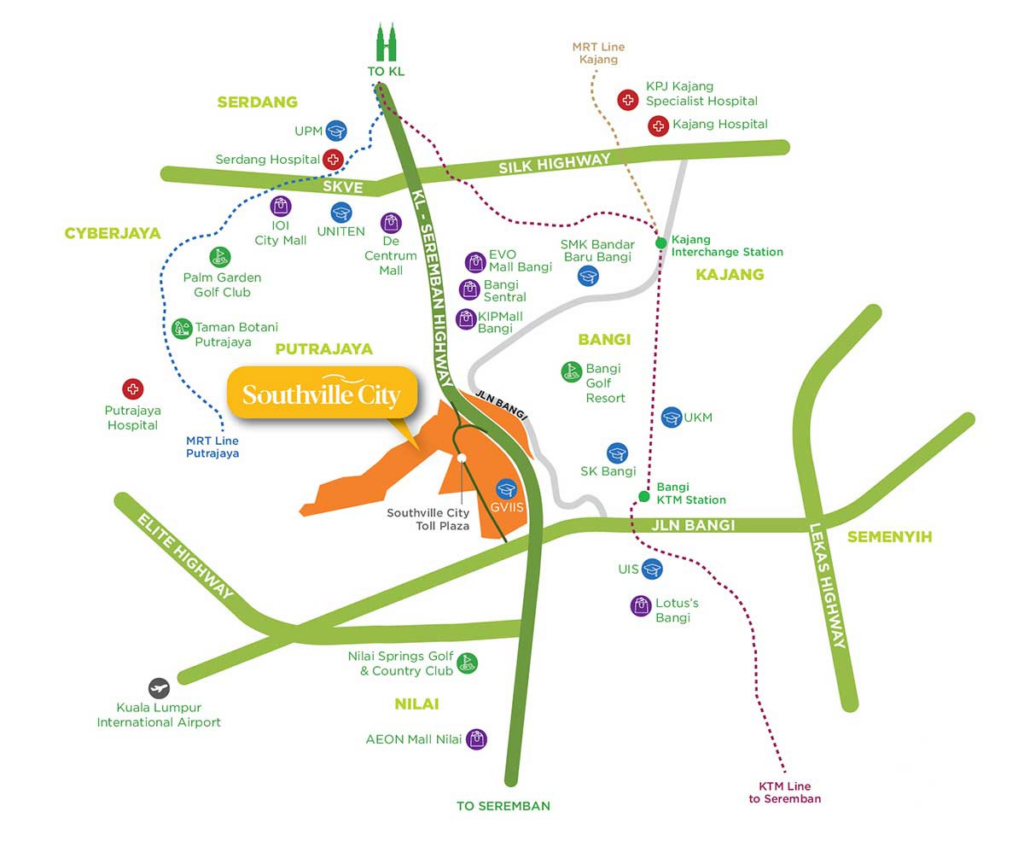
Mah Sing Group Berhad (Mah Sing) celebrates a significant milestone with its maiden entry into the data centre sector, launching Mah Sing DC Hub@Southville City, with its first partner Bridge Data Centres (BDC), a company primarily owned by Bain Capital. The momentous occasion was witnessed by the Deputy Prime Minister of Malaysia cum Minister of Energy Transition and Water Transformation (PETRA), Yang Amat Berhormat Dato Sri Haji Fadillah bin Haji Yusof at the signing of a landmark collaboration agreement between Mah Sing and BDC.

Mah Sing Group has earmarked 150acres of land bank at Southville City, its 428-acre integrated freehold township, for further expansion into a leading Data Centre Hub with planned capacity of up to 500MW. While this is Mah Sing’s initial venture into the data centre sector, the collaboration with BDC on the initial 17.55 acres of land for a data centre with planned capacity of up to 100MW is just the beginning. Mah Sing envisions Mah Sing DC Hub@Southville City as a holistic digital infrastructure ecosystem, meticulously designed to accommodate the demands of AI, hyperscale, retail, and enterprise service providers.

Mah Sing DC Hub@Southville City forms a strategic triangle of data centre hubs with Cyberjaya and Bukit Jalil, both approximately 20km away.

Mah Sing DC Hub@Southville City is less than 50km from Telekom Malaysia’s (TM) upcoming new cable landing station in Morib, Selangor for the SEA-ME-WE-6 submarine cable system which will provide TM with one of the lowest latency routes connecting Malaysia with the rest of the world. With this proximity, Mah Sing DC Hub@Southville City will be able to provide dark fiber network for the data centre hub. Expected to be completed in the first quarter of 2025, TM’s Morib landing station will be a key landing site for Malaysia. Mah Sing DC Hub@Southville City’s locational advantage is compounded by the 20km proximity to the existing data centre hubs of both Cyberjaya and Bukit Jalil, creating a strategic triangle of data centre hubs.

Consequently, Mah Sing DC Hub is poised to attract a diverse clientele, including leading technology corporations, telecommunication giants, and prominent financial institutions. This strategic move underscores Mah Sing’s commitment to enhancing Malaysia’s digital infrastructure, further driving technological innovation and economic growth in the region.

Deputy Prime Minister Dato’ Sri Fadillah Yusof praised the venture stating, “This joint venture initiative between Mah Sing and BDC aligns with Malaysia’s digital transformation agenda and economic growth, reinforcing the nation’s position as a prime location for data centre investment in the Asia Pacific region. It also reflects the strong confidence and trust that investors have in our strategic and supportive environment. The establishment of a cutting-edge data centre in Southville City will meet the growing demand for digital infrastructure, positioning Malaysia as the digital hub of ASEAN. Our government’s proactive policies and incentives, such as the establishment of a smart grid and the push for renewable energy, further strengthen this initiative. By fostering innovation and creating substantial economic opportunities, this project will accelerate our progress towards becoming a high-income nation and solidify our standing as a leading digital economy in the region.”

Eric Fan, President of Bridge Data Centres expressed confidence in the collaboration, “We are delighted that our expansion journey in Malaysia has yielded strong results due to the accelerated demand for quality and scalable data centres. We believe the comprehensive approach provided by Mah Sing will ensure that the data centre will meet all regulatory requirements and be built to the highest standards, facilitating the creation of a state-of-the-art data centre. With Southville City’s locational advantage for data centres, we are confident of end users’ interest. We can harness Malaysia’s superior infrastructure, skilled workforce, and prime geographic location to offer top-tier data centre services. This initiative not only boosts our operational capabilities but also highlights Malaysia’s increasing significance as a digital hub in the Asia Pacific region.”

Tan Sri Dato’ Sri Leong Hoy Kum emphasising the strategic importance of the project said, “Southville City is an ideal location for a data centre hub, strategically positioned in a triangle with Bukit Jalil and Cyberjaya. This placement makes the region a central force in Malaysia’s digital transformation and technological advancement. This venture marks a strategic shift for Mah Sing, diversifying our revenue streams beyond property development which currently covers landed and high-rise residences, townships, offices, retail spaces and an increasing focus on industrial projects. Entering the data centre market allows the Group to establish recurring income, crucial for a more resilient financial foundation amidst market fluctuations. This emphasis on expanding recurring income aims to build a sustainable and recession-resistant business model, mitigating risks associated with property development cyclicality.

Beyond Southville City, Mah Sing’s other landbanks, such as MSS Business Park in Sepang, Selangor, which is also close to TM’s upcoming new cable landing station in Morib, present potential for similar data centre collaborations. This expansion underscores our commitment to leveraging our assets for long-term growth and recurring income opportunities. As we continue to innovate in property development and expanding our footprint in the data centre industry, we are exploring the immense opportunity of artificial intelligence and IOT to enhance our business and deliver value to our stakeholders.”

About Southville City

Strategically located just 19 kilometres from Kuala Lumpur City Centre, Southville City is a mature township with the essential infrastructure to support this major development. The collaboration between Mah Sing and Bridge Data Centres not only elevates Southville City’s profile as a modern, technologically advanced hub but also signifies a pivotal moment in Malaysia’s digital economy journey. This partnership will attract further investments, create job opportunities, and drive the overall growth of Southville City as a vibrant high-tech and business centre.

Source: The Edge Malaysia

Mah Sing launches Mah Sing DC Hub@ Southville City with Bridge Data Centres


Content Type:

Duration:

Malaysia has made no secret of its ambition to be not only part of but also come out ahead in the Fourth Industrial Revolution (4IR), also known as Industry 4.0 or Industrial Revolution 4.0 (IR4.0). Over the past decade, the government has introduced a plethora of initiatives, with the latest being the National 4IR Policy and the Centre for the Fourth Industrial Revolution (C4IR), aimed at keeping the dream alive.

Yet, the leap into IR4.0 has not materialised as expected. A lack of capital and access to technologies, a dearth of skilled talent and stagnant salaries have impeded Malaysia’s IR4.0 readiness, particularly among micro, small and medium enterprises (MSMEs), which accounted for 97.4% of businesses in the country in 2022.

Malaysia’s IR4.0 journey began in 2015 with the National Internet of Things Strategic Framework. The framework did not translate into actual plans, which slowed things down. While the government launched the Industry4WRD Readiness Assessment Intervention Programme and the Malaysia National Policy on Industry 4.0 in 2018 to help build the momentum to IR4.0, it did not achieve widespread adoption.

Nonetheless, stakeholders believe that the advent of generative artificial intelligence (Gen AI) could serve as the great equaliser.

“IR4.0 is an important concept. It’s a way for companies to be a lot more global and a lot quicker [by utilising] technologies in order for them to be part of the global supply chain. [This is] to be able to be connected to their clients and suppliers to get the right information on time to do the right thing,” says Jaffri Ibrahim, CEO of Collaborative Research in Engineering, Science and Technology (CREST).

IR4.0 promises to be the next wave of digital transformation in the manufacturing sector, propelled by disruptive trends such as the surge in data and connectivity, advanced analytics, human-machine interaction and cutting-edge robotics.

“IR4.0 has always been talked about. We’ve had a number of years where the government has come together and stressed the point of IR4.0 and the next revolution. [However,] the adoption is not as complete as one thought it would be,” says Jaffri.

“There are successes. But as a whole, it hasn’t met expectations, even in the West. I think it’s no different in this part of the world.”

The disappointingly low rate of IR4.0 adoption has been exacerbated by limited access to capital, technological complexity and shortage of skilled personnel, notes Dr Afnizanfaizal Abdullah, head of innovation commercialisation at Malaysian Research Accelerator for Technology and Innovation (MRANTI). Understanding and navigating these new technologies can be daunting, especially for smaller enterprises without the resources of larger corporations.

But there is a need for the transition to IR4.0 to happen, especially among SMEs. As large companies are adopting IR4.0, this puts pressure on SMEs to remain competitive as suppliers or risk being left behind, says Jaffri.

That is because larger companies expect SMEs to be able to connect to their systems for data exchange and order processing. Moreover, these larger entities do not want to bear the cost of integrating with their suppliers. Instead, they expect real-time data on pricing and inventory.

“This way of doing business is happening right now with the bigger boys. If [SMEs] want to play at that level, [they] have to be connected to be able to be the supplier and partner of all these multinational [corporations]. If [they are] not, they will be too far down the line to be able to react and get a part of the business,” he says.

This makes it absolutely critical that Malaysian SMEs prepare for IR4.0, says Hanno Stegmann, managing director and partner at BCG X, the tech build and design unit of Boston Consulting Group.

Companies that continuously innovate to stay ahead of the game can ensure that they sustain their competitive edge. On the flip side, SMEs that do not adapt to new technologies, digitalise and leverage new tools are poised to fail or even go out of business in the long run.

The equaliser

This is where Gen AI comes in to disrupt the status quo. The tool that leverages advanced algorithms has democratised access to advanced technology for SMEs by reducing costs, simplifying usage and providing scalable and customisable solutions.

“Gen AI is a huge and significant accelerator for SMEs transitioning to IR4.0. Now, anyone can experiment with AI, thanks to the lower barrier to entry. What’s different with Gen AI is that it has shifted AI from the realm of experts to a broader audience through simple [and] conversational interfaces,” says Stegmann.

AI models are able to reproduce the knowledge embedded in their training data in real time during task execution, says K Raman, managing director of Microsoft Malaysia. Therefore, access to advanced skills are democratised.

“We see Gen AI as the great equaliser. In addition to delivering productivity gains, Gen AI lowers the barrier to entry into areas such as coding, graphic design and professional writing. For SMEs, this means a unique opportunity to leverage powerful AI capabilities to boost employee productivity, improve operational efficiencies, drive customer engagement and so much more,” he says.

The practical applications of Gen AI are vast and varied, says Stegmann. For instance, the technology can transform the customer service experience. Gen AI, with its ability to digest and analyse extensive datasets, can provide precise and real-time responses tailored to individual needs and preferences at scale.

Citing the example of an AI-driven personalisation engine that was developed as a result of a collaboration between Philippines-based GCash and BCG X, Stegmann says prior to the deployment of the engine, GCash could only manage about 30 customer relationship management (CRM) actions concurrently. The introduction of the AI-powered engine expanded its capability to more than 1,500 actions at any given moment.

“This engine can deliver over 225 million hyper-personalised messages daily, significantly boosting engagement and revenue by a factor of 10 compared to its previous CRM initiatives,” he says.

SMEs will be able to utilise Gen AI to streamline operations, enhance product development and optimise customer interactions, says Afnizanfaizal. Gen AI will be able to accelerate the transition to IR4.0 by automating complex tasks, enhancing data analysis and driving innovations such as AI-driven diagnostics and precision farming in sectors like healthcare and agriculture.

“The importance lies in staying relevant and competitive. Without transitioning [to IR4.0], SMEs risk falling behind in efficiency, market relevance and innovation capability,” he says.

“[This potentially leads] to reduced market share and diminished growth prospects. Transitioning enables them to harness the benefits of digital tools and technologies, [which are] essential to scaling and adapting to changing market demands.”

With Gen AI in the fold, SMEs can create and test digital twins of products without the high costs associated with physical prototypes, notes Jaffri.

From tailwinds to headwinds

Although some SMEs are enthusiastic about the potential of Gen AI to transform their businesses, others are cautious about the necessary investment and potential disruption to their businesses, says Afnizanfaizal.

These concerns stem from the costs involved in implementing AI technology, the complexity of the technology and worries about job displacement, says Jaffri.

“One of the primary worries is cost. Many SMEs operate on tight budgets and may find the initial investment in AI infrastructure and tools daunting … SMEs might also lack the in-house expertise required to deploy and manage AI solutions effectively,” he adds.

Nevertheless, Jaffri asserts that the long-term benefits of AI often outweigh the initial costs. To mitigate concerns about the complexity of AI implementation, partnerships with academic institutions and industry experts play a crucial role, he notes.

To some extent, this is already underway. SMEs have received a significant push towards Gen AI adoption, thanks to the substantial investments of major global corporations.

Microsoft, for example, has committed to invest US$2.2 billion over the next four years. This investment will go towards building cloud and AI infrastructure in Malaysia, creating AI skilling opportunities and establishing an AI Centre for Excellence.

These investments will lead to enhanced infrastructure, says Chin Chee Seong, national secretary-general of the SME Association of Malaysia. By having the data centres readily available, SMEs can tap into cutting-edge cloud infrastructure that eliminates the need for substantial upfront investment in hardware.

“The presence of these tech giants is expected to attract further foreign investments, creating a robust ecosystem for start-ups and SMEs … SMEs will be empowered to revamp their business models, enhance their competitiveness and successfully compete in the global market,” he says.

“[Furthermore] by expanding the pool of skilled workers [through training programmes to upskill the Malaysian workforce], the shortage of ICT (information and communications technology) talent in Malaysia [will be addressed] by providing SMEs with access to a larger and more capable workforce to drive their digital transformation efforts.”

MRANTI is supporting the segment by providing access to specialised facilities for technology testing and commercialisation, facilitating connections with investors and experts, and offering training programmes to upskill, says Afnizanfaizal.

“This support is crucial to effectively integrate and leverage AI technologies. Specifically, in our AI sandbox, companies are supported with technical facilitation, including technology experts from Nvidia and Amazon Web Services (AWS), potential investment from the funding partners and linking up with potential clients among public ministries and agencies,” he adds.

Collaborative ecosystems have to be established where government bodies, private companies and educational institutions work together to promote AI adoption among SMEs, says Jaffri. These partnerships facilitate knowledge sharing, resource pooling and joint development projects to make AI more accessible.

Bankrolling IR4.0

Ultimately, funding is crucial to enabling the transition.

For example, as part of the coordinated IR4.0 strategy, the Ministry of Investment, Trade and Industry (Miti) designated the Malaysian Investment Development Authority (Mida) to administer the Industry4WRD Intervention Fund, offering eligible SMEs grants of up to RM500,000 on a 70:30 matching basis. Companies can receive an upfront disbursement of 30% of the matching amount, with the remainder reimbursed based on eligible expenditures

Mida also provides Automation Capital Allowance (Automation CA), which serves as an incentive for manufacturing and service enterprises to boost productivity by investing in automated machinery and equipment. Under this initiative, the agency offers a 200% Automation CA on the initial RM4 million for expenses for labour-intensive industries and the first RM2 million for other sectors, including services. The Automation CA has been extended until 2027, with the quantum increased to RM10 million.

However, only 281 SMEs were approved to receive the financial support facility from 2020 to 2022, with a total grant value of RM101.4 million, Mida’s executive director of investment policy advocacy (manufacturing) Masni Muhammad told Bernama in October last year. Of the total, 82 SMEs were approved for the fund in 2020, 111 in 2021 and 88 in 2022.

To put this in context, there are more than 1.17 million MSMEs in Malaysia, which generated 38.4% of the country’s GDP and provided employment for 7.59 million people in 2022, according to the Department of Statistics Malaysia.

The poor uptake is mainly due to lack of awareness of the existence of such financial assistance in the first place, says SME Association of Malaysia’s Chin. The high cost to get the necessary verification and arduous requirements further complicate matters.

“Many SMEs are also not informed [about the existence of these incentives]. And if they are, many believe they will never get it due to the stringent and difficult application process,” he says.

For instance, for the Automation CA, applicants will need to go to Sirim Bhd — the government’s industrial research and technology organisation — for a verification of the automation equipment before submitting the application to Mida for approval.

“[Previously,] some SMEs may have been reluctant to apply because there were some application costs. But with the increase in quantum, they should be more willing to apply now,” says Chin, adding that there needs to be more promotion of the initiatives provided to create awareness among SMEs.

This is because with financial support, companies can invest in cutting-edge technologies, upgrade their infrastructure and access the expertise needed to innovate and stay competitive, says Jaffri.

An example is the CREST R&D grant, which provided RM130,000 to TT Vision Holdings Bhd and Universiti Sains Malaysia as part of an industry-academia collaboration. “This funding led to the successful development of an automated online inspection system for solar wafer micro-crack detection, leveraging photoluminescence imaging and a machine learning-based algorithm,” he says.

Meanwhile, MRANTI facilitates access to funding through initiatives such as the National Technology and Innovation Sandbox (NTIS), which helps companies to deploy their innovations within a safe and controlled environment.

Taking it to the next level

Every bed of roses has its thorns. While AI comes with a host of benefits, there are issues to be addressed.

Models used by local SMEs need to be appropriate for local contexts to derive meaningful benefits from Gen AI, says Dr Rachel Gong, deputy director of research at Khazanah Research Institute.

“This means using training data based on Malaysian markets, practices and supply chains. This is where the rubber meets the road. There needs to be enough information shared about all these localisations that can then go into training models that suit local SMEs,” she says.

“Historically, data has been a very big challenge and I don’t expect that to change quickly. Language is another challenge for Gen AI models in Malaysia as the models are not equipped to sound natural in Malaysia’s multilingual and multicultural society.”

Moreover, it is essential for policies and regulations to support the transition for SMEs to IR4.0, says MRANTI’s Afnizanfaizal. These are ethical AI policies that allow governance of data as well as the alignment of existing policy and guidelines in various industries.

“On data security and privacy, the first step would be improving data regulations to take into account how data fed into Gen AI tools are governed. At this point, we have data regulations for personal data, but they only cover transactions, which would presumably exclude data used in Gen AI training,” says Gong.

“Next, there would have to be some sort of grievance process by which consumers and businesses who feel their data might have been leaked or misused by AI can seek redress. Such a process may mean having to retrain a model so developers and deployers need to be consulted.”

As Gen AI is heavily dependent on large amounts of data, it is important to get support from various agencies and ministries to assess certain data for training the models with better accuracy, says Afnizanfaizal. MRANTI will focus on promoting localised large language models, in which models are trained with local data rather than using existing data in public repositories.

“For policies to be effective, they must be developed in collaboration with recognised experts in the field. In Malaysia, it is important to focus on policies that support upskilling and training as IR4.0 necessitates a workforce that is agile, skilled and capable of adapting to new tools and methodologies,” says BCG X’s Stegmann. In any case, there needs to be a deep understanding of Gen AI’s potential and limitations across all levels of an organisation, he adds.

BCG advocates for a strategic approach via the 10-20-70 formula. This means 10% of the effort will go to developing an adequate machine learning model, 20% of the effort is focused on sourcing high-quality data and implementing the technology, and the lion’s share at 70% is dedicated to change management. This is to develop new business processes and transform existing operations.

“There’s a common understanding that transitioning to IR4.0 and embracing technologies like Gen AI isn’t an option — it’s a necessity. However, there’s also a palpable sense of apprehension,” says Stegmann.

“It’s akin to a rabbit frozen in the glare of an oncoming snake. IR4.0 isn’t the snake, though. It’s the ladder to unprecedented opportunities.”

Utilising patents to turn the tide

While the emergence of generative artificial intelligence (Gen AI) could be a game-changer in facilitating small and medium enterprises’ (SMEs) transition to Industrial Revolution 4.0 (IR4.0), the significance of tools like patents should not be overlooked in the meantime.

“Patents play a crucial role in encouraging investment in innovation as entrepreneurs are more likely to invest time and resources in developing new and groundbreaking products and services when they know their ideas, inventions and creations are legally safeguarded,” says Dr Afnizanfaizal Abdullah, head of innovation commercialisation at Malaysian Research Accelerator for Technology and Innovation (MRANTI).

Patents can be a strategic advantage for businesses through cross-licencing agreements, says Cheah Bok Eng, a Malaysian inventor with more than 190 patents to his name. Cross-licencing allows access to technologies by incorporating advancements from another company’s patents. This is when companies with relevant patents cross-licence and grant each other permission to use each other’s technology.

“Joining patent pools or entering into cross-licencing agreements with other companies provides access to a broader range of technologies, facilitating the development of more comprehensive and innovative solutions. Patents help maintain a competitive edge by differentiating products in the market and can be monetised through licensing agreements, selling IP (intellectual property) rights or using them as collateral for loans and generating additional revenue for reinvestment in further technological advancements,” says Afnizanfaizal.

One of the biggest stumbling blocks for SMEs in driving innovation is their limited resources to cope with strategic or growing domains beyond the maintenance of business, says Cheah. Another aspect is the limited financial capacity that could deter SMEs from pursuing the costly IP protection such as patent applications.

“Tax incentives for companies pursuing IP protection could be formulated by policymakers to accelerate growth of the knowledge economy or make IP protection more affordable,” says Cheah.

“Strong IP protection also attracts foreign investment by signalling to foreign investors that their investments in Malaysia will be secure, ensuring that they can recoup their investments and generate profits,” Afnizanfaizal adds.

This is why developing a comprehensive IP strategy aligned with business goals is necessary, he says. This is done by focusing on continuous research and development, collaborating with patent experts and consultants, leveraging their patents through licensing agreements, joining patent pools, regularly monitoring the market for potential infringements and taking appropriate action to enforce legal rights and staying updated on changes in patent laws and regulations.

“By adopting these strategies, SMEs can effectively leverage patents to accelerate their transition to IR4.0, protect their technological advancements and position themselves for success in an increasingly digital and competitive market,” says Afnizanfaizal.

Source: The Edge Malaysia

Levelling the IR4.0 playing field


Content Type:

Duration:

South Korea is enhancing its supply chain resilience by intensifying collaborations with Asean countries, particularly Malaysia, in response to the escalating United States-China economic rivalry.

South Korea’s special envoy for Indo-Pacific affairs, Chung Kee Yong, told Bernama that his country is currently prioritising the development of secure and diversified supply chains through its Indo-Pacific Strategy.

“We are actively collaborating with Asean partners by working with countries like Malaysia. It is possible to develop robust regional supply chains together.

“The MOU between the two countries for Strategic Cooperation on Critical Supply Chains, currently being discussed, may serve as a good example of such collaboration, setting an invaluable precedent. This collaborative approach strengthens economic integration within Southeast Asia and reduces dependence on any single supplier, mitigating risks.”

Chung said this to Bernama after his plenary session at the 37th Asia-Pacific Roundtable (APR) here recently.

He was in the capital to present, alongside other speakers, at a session titled “Megatrends Shaping the Global Economy: Implications for Asia-Pacific”.

Chung highlighted that to enhance its supply chain further, South Korea invests in domestic production capabilities in crucial sectors such as semiconductors and batteries, and is committed to fostering research and development in cutting-edge technologies.

“This strengthens our position within global supply chains and makes us less vulnerable to external disruptions that could cripple production.

“By focusing on innovation, the aim is to reduce dependence on external suppliers for critical components. This focus on technological advancement ensures that we remain competitive in the global market for the long term,” the career diplomat added.

South Korea’s Indo-Pacific strategy, announced by President Yoon Suk Yeol’s government in late 2022, seeks to promote freedom, peace and prosperity through the establishment of a rules-based order, under the principles of inclusiveness, trust and reciprocity.

Free trade agreements (FTAs) as opportunities

Elaborating on the escalating US-China economic rivalry, Chung said the competition between the two superpowers represents a complex situation for South Korea.

“But while it presents challenges, it also opens doors to new opportunities. This is where we see that our strategy to navigate this complex landscape is multifaceted. We are firm believers in free trade agreements (FTAs), so we know the importance.

“We are strengthening existing agreements and actively pursuing new FTAs with promising partners, such as Malaysia. It is encouraging to hear that (South) Korea and Malaysia decided to resume negotiations for the bilateral FTA in March, during our Minister of Trade’s visit to Malaysia. 

“I believe that the FTA will be a cornerstone for further strengthening economic ties between South Korea and Malaysia,” he added.

Chung also noted that his country is investing strategically in domestic industries and technologies critical to supply chain resilience that strengthens the East Asian nation’s position and reduces vulnerability to disruptions emanating from the US-China competition.

Despite the changing landscape, he said South Korea remains committed to a rules-based international trading system that benefits all nations, and is essential for continued global economic stability and prosperity.

On March 26, both countries, part of the Asean-Korea FTA and Regional Comprehensive Economic Partnership (RCEP), resumed FTA negotiations suspended since 2019.

Local currency settlements (LCS)

On a similar note, recognising the growing trend of de-dollarisation in Asean, South Korea sees the potential of local currency settlements (LCS) in strengthening regional economic stability. 

This approach, Chung pointed out, could reduce dependence on the US dollar, mitigating the impact of exchange rate fluctuations and creating a more stable financial environment for the region. 

“South Korea’s recent agreement to renew the bilateral swap arrangement (BSA) with Bank Negara Malaysia (BNM) further supports this initiative by facilitating regional trade and financial cooperation. 

“Through discussions with Malaysia and other Asean nations on the practicality and feasibility of LCS, Korea aims to establish a more resilient and efficient regional financial system, contributing to economic stability and prosperity in the Asia-Pacific,” he said.

The central banks of South Korea and Malaysia announced on May 14 that they had renewed their bilateral currency swap arrangement for three more years.

In 2023, total trade with South Korea amounted to US$24.3 billion (RM111.1 billion).

Malaysia was ranked as South Korea’s third largest trading partner in Asean, and 12th largest globally, with total trade amounting to US$25 billion (RM118.4 billion) in the same period.

Source: Bernama

South Korea to beef up supply chain resilience by tapping Malaysia and Asean


Content Type:

Duration:

AHTV is expected to attract investments worth RM32b over the next 10 years 

THE Automotive High Technology Valley (AHTV) project, which is expected to begin this year, requires detailed planning and strong commitment from the relevant parties, including the local authority, Tanjong Malim District Council (MDTM), as the host. 

The project, aimed at developing the national automotive city, is led by China’s automotive giant, Zhejiang Geely Holding Group Co Ltd, along with Malaysian diversified group, DRB-Hicom Bhd. 

According to the Malaysian Investment Development Authority (MIDA), AHTV is expected to attract investments worth RM32 billion over the next 10 years, with this initiative projected to rejuvenate Malaysia’s automotive industry. 

AHTV, which will be developed in Proton City, is set to emerge as a hub for high-tech automotive component research and development, and will propel Malay- sia to become a regional leader in the production of next-generation vehicles (NxGV). 

Furthermore, according to MIDA, the project also includes the establishment of a research university that will help enhance the capabilities of Malaysia’s automotive sector workforce ensuring that Malaysia remains competitive in the global automotive market. 

Preparations 

Sharing his insights on the project with Bernama, MDTM president Mohd Ikram Ahmad said the town already has the necessary foundation to support the development of AHTV, provided through the implementation of the Muallim District Local Plan (RTD) 2035. 

He said RTD Muallim 2035’s main vision, National Automotive Gateway and Youth-Friendly, forms the basis for MDTM’s planning and development governance. This is to ensure that the national-level policies and strategies can be realised based on four pillars: A competitive, dynamic and high-value economy; an inclusive and liveable living environment; a green corridor and sustainable ecosystem; and efficient and sustainable connectivity and infrastructure, he added. “There are 22 strategies and 130 actions identified for implementation in RTD Muallim 2035, involving three main sub-districts, namely Hulu Bernam Timur, Hulu Bernam Barat and Slim.

“The development concept is targeted at focus zones and potential urban development, conservation and preservation zones, as well as agropolitan zones,” he said. 

He added that there are three main industrial focus areas under MDTM’s administration, namely Proton City Industrial Area, Kota Malim Prima Industrial Area and Bandar Behrang Industrial Area 2020. 

Housing 

Mohd Ikram said due to the rapid development and Muallim’s location bordering Selangor, there has been a sudden increase in population recently, creating a high demand for housing. 

This, he added, is attributed to the gradual relocation of Proton Shah Alam factory workers to Tanjong Malim and the growing number of students at Universiti Pendidikan Sultan Idris (UPSI), which currently has around 25,000 students. 

“This situation has triggered demand for housing. As such, many housing areas have been approved by MDTM, involving nearly 3,000 affordable housing units by 2025. 

“Based on MDTM’s basic data, as of September 2023, a total of 13,143 housing units have been built in the Muallim district, in addition to 2,634 units under construction and 4,169 units approved,” he said. 

Mohd Ikram said RTD Muallim 2035 has forecast the district’s population to be around 158,000 by 2035, with housing needs of about 33,000 units. 

Similarly, several development projects are underway in the district, including the Jalan Maktab 

Mixed Development Project, Bukit Wangsa Setia Housing in Behrang Sentral, Proton City Housing, Civil Servant Housing Project, Taman Wira Housing and Bandar Behrang 2020 Housing. 

He said efforts to provide better facilities and infrastructure are also being undertaken to attract investors while ensuring residents’ comfort. 

“This includes the provision of road facilities, telecommunications, water supply, electricity, and most importantly, gas pipelines, which are a crucial utility for the industrial sector. 

“MTDM in collaboration with all parties will assist in driving development in the Muallim district, especially towards encouraging industry players to become more inclusive, in line with the nation’s aspiration to make Tanjong Malim a global automotive hub in the future,” he said. 

Growth of the Commercial Sector

According to Mohd Ikram, the Muallim district is also witnessing growth in the commercial sector with the construction of a supermarket in Tanjong Malim and Behrang Sentral. 

“Several proposals involving commercial development and a private hospital are still under discussion in the Mukim Hulu Bernam Timur area,” he added. 

In this regard, the establishment of AHTV will further stimulate the growth of the district, which will benefit the locals, in particular. 

As such, he said, the community also needs to be prepared to embrace change in tandem with the developments taking place from AHTV’s presence. 

At the same time, he said AHTV would not succeed without the assistance and cooperation of all parties involved. 

“This administration (MDTM) is always ready to realise the policies from the state and federal governments. MDTM aims to upgrade to municipal status (Tanjong Malim Municipal Council) within five years,” he said. 

Not A Ghost Town 

Dismissing the general notion that Tanjong Malim is a ghost town, that is, a sleepy town with few residents, Mohd Ikram said this is not true because the presence of UPSI (originally known as Sultan Idris Training College) since its inception in 1922, has attracted many students across the nation. 

“Additionally, we have the Proton factory, which opened and began operations in Proton City, Tanjong Malim, in November 2003. Since then, the factory has generated substantial spin-offs in the surrounding areas, such as new housing schemes, commercial and industrial buildings, and recreational parks. 

“There are many other factors that make Tanjong Malim a popular destination among visitors across the nation and abroad, including unique gastronomy like its famous pau, ecotourism as well as adventure activities like white water rafting and mountain climbing,” he said.

Source: Bernama

Meticulous planning completes Tg Malim as the national automotive city


Content Type:

Duration:

MAMEE Double Decker (M) Sdn Bhd, a stalwart in the Malaysian food industry for over five decades, has doubled its business revenue and profit in five years. 

Third-generation CEO Pang Hee Ta shared insights into the company’s growth and evolving business strategies. 

Founded in 1971, Mamee had built a substantial annual revenue of RM780 million by 2019. The Melaka-based brand is currently the leading Malaysian brand for instant noodles and noodle snacks. 

“From 2019 to 2023, Mamee managed to double the business in both revenue and profit, so we can get the same sales that we took 48 years to build,” Pang told The Malaysian Reserve (TMR) in an exclusive interview. 

Now standing at RM1.5 billion in revenue, Mamee aims to double its revenue to RM3 billion within the next five years, driven by its expanding presence in global markets. 

One of the pivotal strategies that contributed to this exponential growth was a transformation in Mamee’s business model, particularly regarding its global expansion approach. 

Traditionally, Mamee, like many other companies, participated in trade shows to attract international buyers, yet Pang found that this method proved unsustainable. 

“So, what we did was to travel to Europe and the US predominantly to look for local partners who had established networks and relationships with major retailers there. 

“We operate as a single unit. They handle the front-end sales, while we manage the back-end manufacturing. We’re all in the same boat, working together seamlessly,” Pang said. 

This partnership allowed Mamee to understand better and cater to local consumer demands, leading to significant growth in the US and European markets. 

Driving Sustainability with Premium Healthier Products

In response to evolving consumer preferences, particularly among millennials, Mamee has shifted its focus towards sustainability and better-for-you products. 

Better-for-you products refer to healthier items that are low in fat, salt, and sugar but high in fibre, minerals and vitamins. The term has also evolved to include specific categories such as lactose-free, plant-based, vegan, organic and low-calorie options. 

Influenced by greater Internet exposure and higher disposable incomes, millennials sought more than just good quality at a low price. 

This demographic shift has pushed Mamee to innovate beyond traditional snack offerings. 

Pang noted that modern high-value companies are the ones that can sell an emotion on top of a physical delivery, highlighting the need for brands to connect with consumers on an emotional level. 

This insight led Mamee to invest in better-for-you products that meet the growing demand for healthier food options. 

In 2020, Mamee has partnered with the US-based Good Crisp Co, a brand known for its gluten-free, non-genetically modified organism (GMO) products made with a variety of healthier ingredients. 

Another value Mamee added to ensure it delivers more than just physical products is by investing in start-ups and leveraging their production capabilities to streamline its supply chain. 

By doing so, costs are lowered, allowing Mamee to channel resources into improving product quality. 

“Young start-ups are also very good at understanding consumers, and they are able to innovate at a very fast pace,” Pang added. 

Pang said every month, Mamee ships about 50 containers to the US for Good Crisp’s product alone. 

Mamee also invested in The Golden Duck Co, a Singaporean company popular for its innovative snack offerings. 

These collaborations allowed Mamee to tap into niche markets and cater to diverse consumer needs across different regions. 

The company’s transformation is not just about adopting new strategies but also about building on its strong foundations. 

Over the years, Mamee has built a reputation for offering high-quality products at affordable prices, a winning formula that has fuelled its success for decades. 

“Back in my grandfather’s era, commodity companies were at the top, but nowadays, to be a leading company, it’s not just about selling the product effectively; you must offer added value,” Pang said. 

Therefore, he believes the company needed to balance maintaining its legacy of affordability with its new focus on premium products. 

“We don’t want Mamee or any other Malaysian company to be just known for good products at affordable prices, but to also be the leaders in the better-for-you nutritional food segment as well.” 

This dual approach ensures that Mamee remains competitive in both the mass-market and premium segments. 

Mamee’s journey towards global recognition was marked by a keen understanding of modern consumer needs and market dynamics. 

The company aspired to be a leader in meeting future consumer demands through three core areas; sustainability, better-for-you products and premium indulgence. 

Mamee is committed to sustainability, with significant investments in environmentally friendly practices like utilising fully recyclable packaging, adopting clean energy sources like solar and natural gas, and implementing rainwater harvesting in its factories. 

These efforts are crucial in addressing the concerns of environment-conscious consumers, especially in markets like the US, where questions about carbon footprint and environmental impact are increasingly prevalent.

“We want to be known as leaders in understanding the future needs or what the modern consumer wants. 

“The modern consumer’s preference for healthier options has driven Mamee to innovate with products that are free from flavour enhancer monosodium glutamate, gluten and GMOs,” Pang said.

A prime example is The Good Crisp, which produces potato chips and cheese ball snacks without artificial additives and has grown significantly, reflecting the rising demand for healthier snack alternatives.

By grasping the premium market segment, the company can leverage its manufacturing capabilities to produce both mass-market and premium products, optimising efficiency and expanding market reach. 

“We can effectively compete in both the masses and the premium market if we build the right capabilities behind it,” he added. 

Addressing Supply Chain, Sustainability Challenges

Mamee’s expansion has also necessitated a strong approach to managing supply chain complexities and disruptions. 

Its strategy revolved around three key pillars — technological integration, diversified sourcing and localised production. 

Upgrading to advanced systems like systems applications and products helped Mamee to manage the intricate logistics of sourcing and production. 

This would reduce human error and enhance efficiency in tracking and replenishing raw materials. 

Pang said by diversifying its sources of raw materials, Mamee mitigated risks associated with geopolitical instability and supply chain disruptions. 

For example, he said sourcing potatoes from India, which is geographically closer to Malaysia, helps in reducing logistical challenges and potential supply shortages. 

“Diversification of supply sourcing, as well as using technology, will be the core areas that we focus on,” he added. 

To further streamline operations and reduce carbon emissions, Mamee plans to establish factories in Mexico and Spain by 2026. 

These facilities would serve regional markets in North America, South America and Europe, thus reducing the need for extensive shipping from Malaysia and minimising the environmental impact. 

The government through the Investment, Trade and Industry Ministry and agencies such as Malaysian Investment Development Authority have also worked with Mamee to push the company to the global stage. 

Additionally, Mamee’s commitment to environmental, social and governance principles is integral to its operations. 

The company prioritises sustainable practices not just to comply with regulatory requirements but because it believes in doing what is right. 

Pang said Mamee is currently working towards making its packaging fully recyclable, expected to be achieved by 2025 or 2026. 

Mamee is also deeply involved in local community initiatives. In Melaka, the company collaborated with the state government to provide free dialysis treatment through Yayasan Toh Puan Zurina. 

Additionally, Mamee invested in improving living conditions for its employees and partnered with local universities for industrial training programs. 

“We put a lot of effort into ensuring that our people are taken care of,” Pang said. 

Future Outlook 

Looking ahead, Mamee aims to continue its growth trajectory by further enhancing its brand and product offerings. 

“Ultimately, we realised that if we continue to focus only on pricing and quality, we will become a commoditised business,” Pang said. 

The company plans to build capabilities around consumer understanding, innovation and brand building to stay relevant and competitive in the future. 

Source: The Malaysian Rerserve

Mamee stands strong after 5 decades


Content Type:

Duration:

EQUINIX Inc, a global digital infrastructure company, has expanded its footprint in Malaysia with the opening of its Johor (JH1) International Business Exchange (IBX) data centre located at Nusajaya Tech Park in Iskandar Puteri, Johor. 

Built with an initial investment of approximately US$40 million (RM188 million), JH1 is the first of two Equinix data centres in Malaysia, with the second, KL1 IBX, operational in Cyberjaya since January. 

The two-storey JH1 facility spans 1,800 sqm and boasts a maximum capacity of 500 cabinets. 

Services available at JH1 include the company’s primary interconnect service, Equinix Fabric, as well as Cross Connect, Equinix Internet Access, Equinix Internet Exchange (IX) and Metro Connect. 

Equinix maintains a strong reputation for reliability, claiming a 99.999% uptime record. 

During a tour of the facility, president (Asia Pacific) Jeremy Deutsch said the company would maintain its standard at JH1. 

“JH1 is equipped with an uninterruptible power supply (UPS) system, allowing the data centre to operate for up to 15 minutes during power interruptions. 

“Additionally, four onsite power generators are available to support the data centre during prolonged outages,” he said. 

Both JH1 and KL1 data centres have been running on 100% renewable energy (RE) since their inception. 

In line with Equinix’s commitment to sustainability, JH1’s cooling system is designed to convert the hot air emitted by servers back into cool air, which is then recirculated by the system. 

During the tour, members of the media observed a group of servers being set up for artificial intelligence (AI) workloads, while another set of servers was already functioning, though their purpose remained undisclosed. 

Deutsch did not reveal the owners of these servers but mentioned that several content providers, fintech players, gaming companies and AI outfits are already utilising JH1 and KL1. 

However, he said local tech giants such as TIME dotCom Bhd and Maxis Bhd are part of the Equinix ecosystem. 

Upon observation, the JH1 IBX data centre offers numerous benefits including access to a rich network ecosystem of highly connected data centres in Singapore and globally, with proximity to major IX. 

It extends its reach to the richest digital ecosystem in cloud and IT, content and media services, and financial exchanges via Platform Equinix. 

Additionally, it allows for expansion into Malaysia’s digital economy, tapping into the domestic market. 

Features and Facilities 

The JH1 data centre is equipped with various amenities such as a break room, loaner tools, crash carts, work kiosks, WiFi and a conference room, while also offering a range of products and services. 

The facility also includes private cages for enhanced security, secure cabinets for storing equipment, AC power circuits for reliable power supply, and IBXFlex office and storage solutions. 

Although it is yet to be confirmed, JH1 data centre plans to offer additional services such as Smart Hands for remote management, IBX SmartView for infrastructure monitoring, Equinix Infrastructure Services, Equinix Metal for bare metal deployments, Network Edge for network optimisation and Equinix Precision Time for precise time synchronisation. 

The JH1 facility was constructed using a combination of cast-in-situ concrete and steel structure. Plus, on-site parking is available for users’ convenience. 

The floors were made of reinforced concrete ensuring they could support the heavy equipment typically used in data centres. 

Additionally, the data centre is equipped with “Very Early Smoke Detection Apparatus” and a comprehensive fire alarm system to ensure safety. 

The JH1 data centre has a power density of 4.8 kVA (3.84 kW) per cabinet and features two utility feeders. 

Meanwhile, its UPS configuration is block redundant with N+1 redundancy, ensuring continuous power supply. 

Standby power is provided by four 2,000 kVA generators in an N+1 configuration. The cooling system uses high-efficiency DX CRAC inverter-based compressors with N+ 20% redundancy. 

Security measures at the JH1 data centre include physical barriers such as a man trap, security gate, perimeter fence and gate. The facility is monitored around the clock by on-site security officers. Electronic security features include biometric readers, PIN and card readers, CCTVs and recorders.

After the tour, Equinix MD Cheam Tat Inn said the company underscored the pivotal role of digital infrastructure in meeting contemporary business challenges and seizing emerging opportunities.

“Digital infrastructure enables businesses to tackle challenges and pursue possibilities. Considering the staggering data volumes we are dealing with, by 2025, we expect to handle 181 zettabytes (ZB) of data in real time. 

“Just a few years ago, we were talking about petabytes, and now we are dealing with ZB,” he said. 

He added that today’s data is not just structured text, it includes unstructured data like videos, which are growing at an unprecedented rate. 

Cheam said the increasing deployment of AI technologies highlighted the exponential growth of the market. 

“Every day, we hear about new AI applications and use cases. Many of you have likely tried tools like ChatGPT, which showcase the vast potential AI holds for businesses and personal use. 

“The AI market, valued at US$6.2 billion in 2023, is projected to soar to US$16.2 billion by 2028. This growth within the digital ecosystem has also led to a 60% reduction in data transfer costs among ecosystem partners as more players join, driving down overall costs,” he added. 

In Malaysia, the digital economy is a substantial contributor to the GDP, accounting for 22.6% and is expected to rise to 25.5% by 2025. 

The Asean region, recognised as the fifth-largest economy globally with a population of 691 million, is projected to achieve a GDP of US$5.5 trillion by 2028, Cheam said. 

He added that this shift is further accelerated by the proliferation of AI, which has significantly increased demand for digital infrastructure. 

“Malaysia, particularly Johor, is emerging as a preferred data centre hub due to limited capacity in Singapore and strong governmental and ecosystem support. 

“The lower cost of land in Johor makes it an attractive investment destination,” he said. 

Cheam added that cloud-adjacent storage is crucial. 

“Many applications are moving to the cloud, but data might be located elsewhere, causing latency issues, especially in analytics. 

“Cloud storage ensures data is close to the cloud, enhancing performance and reducing latency. 

“This trend is evident in our data centre deployments,” he said. 

Connected to Everything 

Cheam said Equinix’s data centres offer access to a diverse global ecosystem. 

With over 462,000 interconnections, businesses can access the largest and most dynamic global ecosystem. 

Equinix’s platform includes more than 2,000 networks, 5,000 enterprises, and 3,000 cloud and IT service providers. 

This extensive network facilitates interconnection opportunities, enabling businesses to discover and transact with customers, suppliers and partners, thereby creating and consuming new value. 

Key Features and Benefits 

To echo Cheam’s earlier remarks, the JH1 facility is strategically located just 15km from Singapore. 

This proximity addresses the heightened demand from both local enterprises and organisations in neighbouring regions. 

Similarly, the KL1 facility in Cyberjaya, a key part of the Multimedia Super Corridor, is expected to provide 900 cabinets and 2,630 sq m of colocation space once fully built out. 

Equinix’s data centres in Malaysia are entirely powered by RE, aligning with the company’s goal to achieve climate neutrality by 2030. 

Both JH1 and KL1 adhere to the globally accepted A1A standards from the American Society of Heating, Refrigerating and Air-Conditioning Engineers, enhancing their overall efficiency and helping customers reduce their Scope 3 carbon emissions. 

Equinix will provide robust interconnection and digital services at JH1 and KL1, including Equinix Internet Access in both locations by the second quarter of 2024 (2Q24), Equinix Fabric and Equinix Fabric Cloud Router at JH1 by 2Q24 and KL1 by 3Q24, and Equinix IX shortly after. 

These services enable seamless connectivity, enhanced scalability, optimised performance and increased flexibility, empowering businesses to thrive in today’s rapidly evolving digital landscape. 

In reflection, Equinix’s expansion in Malaysia, exemplified by the opening of the JH1 and KL1 data centres, represents a significant leap forward in the nation’s digital infrastructure. 

By providing access to a vast global ecosystem and advanced digital services, Equinix is well-positioned to support Malaysia’s digital economy ambitions and drive sustainable economic growth in the region. 

Malaysian businesses will now have access to a global ecosystem of over 10,000 enterprises, networks and cloud service providers, while global businesses can tap into the digital opportunities presented by the nation. 

As businesses continue to embrace digital transformation and advanced technologies such as AI, their need for a network-dense cloud-adjacent, and on-demand digital infrastructure becomes paramount. 

Platform Equinix plays a pivotal role as a facilitator of innovation, economic growth and empowerment for businesses in Malaysia. 

Notably, content, fintech, gaming and AI companies have already chosen to deploy their IT infrastructure on Platform Equinix in Malaysia. 

As mentioned by Deutsch, leading global and local network service providers such as TIME and Maxis have joined Equinix’s network ecosystem in Malaysia, providing a highly interconnected and secure environment for customers. 

In his speech during the launch, Deustch said Malaysia is a cornerstone market and top destination that is highly sought after by our valuable customers. 

“Our unwavering dedication to the South-East Asia region underscores our belief in its immense potential to drive digital transformation and accommodate a growing digital-savvy population,” he said. 

The digital infrastructure company is dedicated to delivering exceptional digital infrastructure solutions that empower businesses to thrive in this dynamic landscape, fuelling innovation, economic growth and societal advancement. 

Equinix’s entry into Malaysia also aligns with the MyDIGITAL initiative introduced by the government, which outlines a strategy for accelerating the development of digital products and services. 

Equinix data centres in Malaysia are powered entirely by RE. It is on track to achieve climate neutrality by 2030, with a strong focus on incorporating clean RE sources throughout its worldwide operations. 

Equinix’s commitment to sustainability is another critical aspect of their operations, Cheam said. 

The National Energy Transition Roadmap provides a solid framework for Malaysia’s transition to RE, aligning with the demands for sustainability from hyperscalers. 

“We are dedicated to protecting the planet, aiming for 100% RE and global climate neutrality by 2030. We have invested US$4.9 billion in green bonds towards green building, energy efficiency and renewables,” he shared. 

Despite its business expansion, it has reduced its absolute emissions by 23% since 2019. 

Its innovations include liquid cooling, heat recovery and low-carbon fuel cells, all designed to minimise environmental impact. 

In 2023, Equinix achieved 96% RE coverage across its global operations. 

Investment, Trade and Industry Minister Tengku Datuk Seri Zafrul Tengku Abdul Aziz said Equinix’s decision to expand its presence in Malaysia reflects its continued confidence in the country’s industrial landscape, which is undergoing key transformative initiatives as outlined in the New Industrial Master Plan (NIMP) 2030. 

He added that one of NIMP’s missions is for Malaysia to tech up rapidly to be a digitally vibrant nation, and Equinix’s new data centres in Kuala Lumpur and Johor will support this mission by enhancing Malaysia’s digital infrastructure.

These data centres will provide businesses, particularly domestic SMEs, with seamless connectivity and access to a vast global network, while driving innovation across diverse sectors in Malaysia.

“Most importantly, Equinix’s investment will pave the way for the creation of high-value job opportunities and propel economic growth, empowering our people and businesses to excel in the digital age,” Tengku Zafrul added.

Also present at the launch was Johor State Executive Council and chairman of Investment, Trade and Consumer Affairs Lee Ting Han. 

“We welcome Equinix’s investment in Johor, which is expected to become the most economically developed state in the country soon,” he said. 

He said Equinix’s world-class facility would enhance the nation’s technological capabilities, attract global businesses, create new job opportunities and drive economic growth. 

He said this partnership will position Johor as a key player in the digital economy, fostering innovation and propelling the state towards a prosperous future. 

Malaysia Digital Economy Corp (MDEC) CEO Mahadhir Aziz seconded the strategic importance of Equinix’s new data centres. 

“We are proud to have facilitated Equinix’s market entry into Malaysia with its investment in the JH1 and KL1 data centres,” he said in a statement. 

These new facilities will significantly enhance Malaysia’s digital capabilities and further strengthen Malaysia’s digital infrastructure backbone, in line with its national strategic initiative, Malaysia Digital. 

“I believe data centre investments will certainly create economic spillovers, particularly high-value direct and indirect jobs along the value chain. 

“MDEC is committed to fostering effective collaborations to firmly establish the nation as the digital hub of Asean,” Mahadhir said. 

On a similar note, Malaysian Investment Development Authority (MIDA) CEO Sikh Shamsul Ibrahim Sikh Abdul Majid said Equinix’s expansion in Malaysia reinforces the country’s standing as a digital hub in the region. 

According to him, Equinix’s advanced data centres will create significant opportunities for businesses, especially local enterprises, to innovate and grow as they integrate with the global ecosystem. 

“MIDA is dedicated to facilitating investments like Equinix’s, which not only drive economic growth but also foster innovation and create sustainable employment opportunities in Malaysia,” he said. 

These endorsements from key stakeholders showcased the positive impact of Equinix’s investments in Malaysia. 

The new data centres are set to bolster the nation’s digital infrastructure, drive economic growth and position Malaysia as a leading digital hub in the Asean region. 

Moving forward, Equinix’s data centres in Malaysia are set to revolutionise the digital landscape, providing businesses with unparalleled access to global networks and cutting-edge technology. 

This expansion is supporting the nation’s digital economy ambitions and fosters economic growth, positioning Malaysia as a key player in the global digital economy. 

Source: The Malaysian Reserve

Equinix continues expansion plan, unveils new data centre


Content Type:

Duration:

The government is looking at and taking the appropriate action to raise Malaysia’s position in the IMD World Competitiveness Ranking (WCR), which currently stands at number 34.

Prime Minister Datuk Seri Anwar Ibrahim said this includes enhancing the country’s economic management, strengthening the ringgit, and implementing targeted subsidies, which are expected to boost the ranking.

“There are certainly weaknesses that must be addressed. I just want to point out that generally, the report maintains our position as a stable economy. Based on the IMD report, Malaysia is in eighth spot for the economic performance sub-factor, so it is still not concerning.

“I do not deny that (we must worry about) the ringgit’s performance previously as well as our higher expenditure for subsidies and being late in subsidy rationalisation, but I believe that if we resolutely take the (appropriate) measures, our ranking will jump,” he said during the Ministers’ Question Time in the Dewan Rakyat today.

He was replying to a supplementary question from Afnan Hamimi Taib Azamudden (PN-Alor Setar), who wanted to know the government’s strategy following the decline in WCR ranking.

On Afnan Hamimi’s remark that the decline is seen as a reflection of the Cabinet’s performance, Anwar said the performance is a shared responsibility for all.

“If there is criticism that we are being neglectful, we will strive to improve; and this is the responsibility for everyone, not just the Cabinet members, secretaries general, directors general and government agencies.

“I concur that everyone, including me and those under the ministers, should do our best to improve performance, and I will convey it to the Cabinet,” the Prime Minister added.

Source: Bernama

Govt taking appropriate action to enhance Malaysia’s competitiveness ranking – PM


Content Type:

Duration:

ikTok owner ByteDance plans to invest in artificial intelligence (AI) and turn Malaysia into a regional AI hub with a proposed investment of about RM10 billion.

In a post on X (formerly Twitter), Investment, Trade and Industry Minister Tengku Datuk Seri Zafrul Abdul Aziz said this was conveyed to him during his meeting with TikTok vice president Helena Lersch in Singapore today.

“The additional investment from ByteDance will certainly help Malaysia in achieving the target of growing the digital economy to 22.6 per cent of Malaysia’s Gross Domestic Product by 2025,” he said.

The minister also noted that TikTok, through ByteDance System Sdn Bhd, has developed a data centre at Sedenak Tech Park in Kulai, Johor.

Taking into consideration future requirements, Tengku Zafrul said, the company also plans to expand the data centre facility with an additional investment of RM1.5 billion.

Source: Bernama

ByteDance plans RM10 bln investment in AI, to make Malaysia regional hub


Content Type:

Duration:

In an era defined by climate crisis and environmental urgency, industries worldwide are under pressure to adapt and innovate towards sustainable practices.

Among these, the semiconductor industry, a cornerstone of global technological advancement, finds itself at the nexus of growth and environmental responsibility.

The global semiconductor industry, renowned for its critical role in powering modern technology, finds itself at a critical juncture.

Amid rapid growth and technological advancements, sustainability concerns loom large, prompting industry leaders to reassess priorities and strategies.

In a bid to champion sustainability within the semiconductor sector, Schneider Electric, a global leader in energy management and industrial automation, has embarked on a proactive initiative to revolutionise the industry’s approach towards environmental stewardship.

In a recent exclusive interview with Bernama, vice president of semiconductors Henri Berthe outlined the company’s pivotal role in supporting semiconductor giants worldwide in building and operating their facilities while emphasising the importance of sustainability.

“As leaders in energy management, we play a crucial role in optimising electrical architecture across various domains, including semiconductors.

“Additionally, our expertise in industrial automation enables us to streamline processes and enhance efficiency,” he said.

In recent years, Schneider Electric has expanded its focus to include software development and sustainability, recognising the industry’s shift towards digitalisation and environmental consciousness.

“With acquisitions like Aveva, a leading industrial software company, we are driving innovation in software solutions tailored for Industry 4.0.

“Similarly, our commitment to sustainability positions us as a global leader in helping companies achieve their net-zero emissions goals,” Berthe said.

SUSTAINABILITY URGENCY

Highlighting the urgency of sustainability in the semiconductor industry, Berthe underscored the pressing need for accelerated decarbonisation efforts amid escalating climate change concerns.

“The semiconductor industry emits approximately 100 million tons of carbon dioxide in 2021, presenting a significant challenge to reconcile growth with environmental responsibility.

“With the industry poised to double in value to US$1 trillion within a decade, the challenge of reconciling growth with sustainability becomes increasingly urgent,” he said.

Despite ambitious commitments from industry players, including renowned companies like Intel, challenges loom large, he said.

“Rapid industry growth, coupled with technological advancements demanding increased energy consumption, presents a formidable obstacle to sustainability efforts,” he said.

He said sustainable growth must be balanced with accelerating the path to net zero.

“Despite the industry’s commitment to sustainability, challenges such as the shortage of skilled talent and the rapid technological advancements remain significant hurdles.

“In response to these challenges, Schneider Electric is pioneering innovative solutions, with a particular emphasis on digitisation and energy efficiency,” he said.

Berthe outlined the company’s strategy, which includes helping companies strategise, set emission targets, and accelerate their path to net zero through digitisation and renewable energy adoption.

“Energy efficiency is paramount, particularly in East Asia, where access to renewable energy remains a pivotal concern,” he said.

Digitisation has emerged as a crucial tool in reducing environmental impact. With data analysis and artificial intelligence (AI)-driven solutions, digitisation offers avenues for energy efficiency improvements.

It can also optimise energy usage and streamline supply chain operations, minimising environmental impact, he said.

COLLABORATIVE EFFORT

Addressing talent shortages in the industry, Berthe highlighted collaborative efforts (are needed) to nurture software development expertise, ensuring a steady influx of skilled professionals to propel
sustainability initiatives forward.

He also addressed concerns surrounding semiconductor shortages, expressing cautious optimism about the industry’s ability to meet growing demand while maintaining a sustainable trajectory.

With Malaysia emerging as a key semiconductor hub, Berthe commended the nation’s strides towards sustainability and urged a steadfast commitment from stakeholders to realise its full potential.

“With the Malaysian Prime Minister’s pledge towards a national semiconductor strategy, the country stands poised to contribute significantly to global sustainability efforts.

“It is timely and essential to capitalise on future growth opportunities,” he added.

As the world races against time to combat climate change, the semiconductor industry’s journey towards sustainability takes centre stage, Berthe said.

“Collaboration, innovation, and commitment are the hallmarks of this endeavour, with Schneider Electric and other industry leaders leading the charge towards a greener future.

“Companies need to seize the available solutions and technology to pave the way for a greener, more sustainable future.” he said.

He expressed confidence in Malaysia’s ability to leverage its competencies and government support to drive further growth in the sector.

Technology intersecting with sustainability in the semiconductor industry represents not just a challenge but a global imperative, he said.

“Only through concerted efforts and collective action can the industry steer towards a more sustainable path, ensuring a brighter and greener tomorrow for generations to come,” he added.

Schneider Electric’s unwavering commitment to sustainability stands as a beacon of hope for the semiconductor industry, heralding a new era of environmentally conscious innovation and growth, he stressed.

In conclusion, Berthe emphasised the need for a collaborative ecosystem and strategic partnerships to drive sustainability in the semiconductor industry.

He urged companies to seize the available solutions and technology to pave the way for a greener, more sustainable future.

Source: Bernama

Schneider Electric spearheads sustainability drive in semiconductor industry


Content Type:

Duration:

There needs to be a new paradigm shift in the manufacturing sector to get more local people to work in the industry, says Liew Chin Tong.

The Deputy Investment, Trade and Industry Minister said there needs to be a new mindset so that more Malaysians can be hired to work in the sector.

“If companies can pay more or give comparable salaries, it will make workers feel that they have prospects.

“(Companies should) Give better salaries so that they (Malaysians) don’t work in Singapore,” he said after attending an e-invoicing and New Industrial Master Plan (NIMP) 2030 awareness programme at Casuarina@Meru Hotel here on Saturday (June 8).

“Instead of paying 100 unskilled foreign workers, we want (companies) to pay 20 or 30 Malaysian skilled workers well.

“To do this, companies will need better machines and capitalisation. This is what we hope to do and deal with,” he said.

“We want better jobs and better pay for Malaysians,” he added.

Liew said the government also hopes to see more localisation of foreign direct investment (FDI) so that it can benefit small medium enterprises (SMEs).

“This is also what we will deal with, to help the FDI localise so that local SMEs will have more opportunities and businesses,” he said.

Source: The Star

Manufacturing sector needs paradigm shift to attract locals, says Liew Chin Tong


Content Type:

Duration:

Sarawak has the potential to be a green hydrogen leader because of its ample hydropower, heavy rainfall and long coastline, said Peter Cockcroft, director of the Asia Pacific Net-Zero Institute Pte Ltd.

He pointed out that there are several ways to make hydrogen, but a lot of it currently comes from coal and natural gas, both of which release carbon dioxide (CO2), an emission that needs to be reduced.

Hydrogen production is differentiated by colors: black and grey (from coal and natural gas), blue (from natural gas with carbon capture), and green (from water using renewable energy).

“Green hydrogen, the cleanest type, is made through electrolysis, needing cheap and steady electricity, plenty of fresh water, and a way to separate hydrogen (H2) from oxygen (O2),” Cockcroft said in a recent interview, set up in connection with the upcoming Asia Pacific Green Hydrogen (APGH) Conference and Exhibition 2024 here.

“Sarawak stands out from the rest of Malaysia due to its significant hydropower resources, abundant rainfall, and long coastline. In Southeast Asia, Sarawak has the highest hydropower capacity among similar regions, providing a better renewable fuel choice than solar or wind.

“Hydropower runs constantly, offering reliable energy unlike solar and wind, which are intermittent. This gives Sarawak a competitive edge in business,” he said.

Cockcroft recognised Sarawak’s economic feasibility and market potential, noting its ability to reduce electricity expenses and attract global industries aiming to reduce carbon emissions.

He suggested a thorough plan with strategic steps, such as finding suitable sites, calculating production expenses, and creating a sales pitch to draw in investors and industries needing hydrogen.

Net-Zero Institute Pte Ltd specialises in international net-zero and decarbonization planning.

Meanwhile, Vicente Pinto, InvestChile’s counsellor for investment affairs in Asia, emphasised the need for global cooperation in advancing green hydrogen technology.

He regarded building a unified chain of operations through strategic partnerships as being essential for seamlessly integrating hydrogen production, transportation, and use.

“In this new industry, emission complexities require collaboration among stakeholders like producers, shipping companies, ports, and transport providers. Unlike traditional models, the green hydrogen value chain needs coordinated efforts among sectors that were once only customers.

“This complexity might explain the slower progress of the industry, underscoring the need for ongoing cooperation between governments and the private sector to optimise the value chain,” he explained.

Pinto said Sarawak’s potential to lead the green hydrogen economy in Asean was due to its current leadership in oil and gas and its strategic location.

Therefore, he recommended for Sarawak to develop a thorough hydrogen strategy, cultivate international partnerships, and invest in the required infrastructure for hydrogen projects.

Public perception and awareness are crucial for green hydrogen to succeed.

Cockcroft and Pinto are both in the international panel of speakers at the APGH 2024, running from June 10 to 12.

For more information on the event, go to www.hydrogenapac.com.

Source: Borneo Post

Sarawak has competitive edge in green hydrogen business, say experts


Content Type:

Duration:

A Sabah government-linked company (GLC) will pioneer the green technology park (GTP) in the state.

To realise the sustainable development goal, Sawit Kinabalu, through its subsidiary, Sawit Palm Oil Industrial Cluster Sdn Bhd (SPOIC), signed a Memorandum of Understanding (MoU) with Nextgreen Global Berhad (NGGB) for the establishment of the GTP.

Sabah Chief Minister Datuk Seri Hajiji Noor, who is also Sawit Kinabalu chairman, witnessed the signing ceremony at the Sawit Kinabalu’s new headquarters at Block B, Menara Kinabalu here.

Sawit Kinabalu was represented by its group managing director and chief executive officer Victor Ationg, while NGGB was represented by its group managing director Datuk Lim Thiam Huat.

Through the MoU, both parties will explore and implement key activities of the GTP, such as establishing a collection and processing centre (CPC), a pulp mill, a raw water treatment plant, and a steam boiler on 400 acres of land owned by SPOIC in Sandakan.

The green business concept of the GTP emphasises renewable energy, recovery, and waste elimination, forming the foundation for a green economy that can reduce environmental risks and drive Sawit Kinabalu towards sustainable development.

Earlier, Hajiji inaugurated Sawit Kinabalu’s new headquarters and chaired the company’s board of directors meeting.

He later witnessed the payment of business zakat for the year 2023 amounting to RM800,000 from Victor to Sabah Islamic Religious Council (MUIS), Datuk Mohd Dandan @ Ame Alidin.

Source: NST

Sabah GLC to lead establishment of state’s green technology park


Content Type:

Duration:

The Indo-Pacific Economic Framework for Prosperity (IPEF) partners, which include Malaysia, said at the inaugural Clean Economy Investor Forum (CEIF) that over US$23 billion of priority infrastructure projects have been identified.

In a statement on Thursday, the Ministry of Investment, Trade and Industry (Miti) said this includes about US$6 billion of ready project proponents presented to investors.

Its minister Tengku Datuk Seri Zafrul Abdul Aziz had participated in the IPEF ministerial meeting and the inaugural CEIF.

Malaysian investors and project proponents that participated in the forum were Khazanah Nasional Bhd, Petroliam Nasional Bhd (Petronas), Gentari, NanoMalaysia Bhd (Gigafactory), MTC Orec Sdn Bhd, Faradays Energy Sdn Bhd and Limpahan Engineering Sdn Bhd, the statement said.

“The CEIF brings together the region’s top investors, cutting-edge project proponents, innovative start-up entrepreneurs and senior government officials to mobilise financing, to support the deployment of clean energy and climate-friendly technologies and infrastructure in the IPEF region,” Tengku Zafrul said in the statement.

The main outcome was the signing of three agreements, which were the (main) IPEF Agreement; the Clean Economy Agreement, and the Fair Economy Agreement by participating countries, which were already substantially agreed on during the IPEF Ministerial Meeting in San Francisco, held on Nov 13-14, 2023, he added.

Tengku Zafrul signed the three agreements on behalf of the Malaysian government.

Other members of the IPEF trade pact are the United States, Australia, Brunei, India, Indonesia, Japan, New Zealand, the Philippines, Singapore, South Korea, Thailand and Vietnam. 

The IPEF Clean Economy Agreement will advance regional cooperation to accelerate the deployment of clean energy technology, promote carbon market activities, collaborate on regional and international carbon capture, utilisation and storage (CCUS) value chains, and promote sustainable transport.

The agreement also establishes a novel mechanism for IPEF partners to develop and participate in cooperative work programmes (CWPs), Tengku Zafrul said.

In conjunction with the ministerial meeting, Malaysia also took the opportunity to deposit the instrument of ratification of the IPEF Agreement Relating to Supply Chain Resilience, signed on Nov 14, 2023.

“With the completion of the ratification process, Malaysia is now ready to implement the agreement. This represents a significant step forward in Malaysia’s efforts to strengthen supply chain resilience,” he said.

Malaysia also intends to use this framework to improve, among others, the resiliency, efficiency, diversity and inclusivity of its supply chains, he said.

The agreement’s ratification is crucial to achieving these objectives and reinforcing Malaysia’s position as a key player in the Indo-Pacific region.

“Malaysia sees great synergies among the IPEF agreements and Malaysia’s current policies, namely the recently launched National Semiconductor Strategy, New Industrial Master Plan 2030, and the National Energy Transition Roadmap,” Tengku Zafrul said.

He believes that the IPEF provides the opportunity for Malaysia to work holistically to benefit all IPEF partners.

“In this vein, Malaysia looks forward to developing cooperation and exploring bilateral support measures with IPEF partner countries in funding and adopting nascent technologies, such as green hydrogen and CCUS,” he said.

Furthermore, Malaysia has offered the Malaysian Anti-Corruption Academy, under the Malaysian Anti-Corruption Commission (MACC), to share experience and best practices under the Catalogue of Technical Assistance and Capacity Building Initiatives, to showcase Malaysia’s commitment to the IPEF, he said.

Source: Bernama

MITI: Over US$23b infrastructure projects identified under Indo-Pacific Economic Framework for Prosperity


Content Type:

Duration:

While Greater Kuala Lumpur and Johor remain the two locations with the highest growth in the number of data centres in Malaysia, other locations will also start seeing more data centre developments as demand continues to increase, according to JLL Malaysia.

In his presentation at JLL Malaysia’s Data Centres Perspectives event held on Thursday, JLL Malaysia data centre team member Kent Seet said that besides Johor and Greater Kuala Lumpur, Negeri Sembilan and Kedah could see a rise in data centre development activities.

“These two states can provide the necessary resources and infrastructure. And, JLL believes that if the process of upgrading existing or building new data centres in the mature locations could not be done speedily, Negeri Sembilan and Kedah might benefit from the overspill of demand from KL and Johor,” he said, adding that that aside from the established technology parks in Cyberjaya and Bukit Jalil, other areas in the Klang Valley could be potential areas for data centres as well.

Seet also highlighted that Johor will continue to grow as a data centre hub, thanks to the instrumental role of the state authorities in reducing red tape and streamlining processes in data centre developments.

“The data centre growth will be driven by established data centre-centric parks such as the Sedenak Tech Park and also pockets of new industrial parks in other locations such as Kulai, Skudai, Plentong and Tanjung Kupang, all these being potential locations,” he noted.

Meanwhile, Malaysia Digital Economy Corporation (MDEC) head (digital infrastructure and digital enablers) Tan Tze Ming shared in his presentation that, while the hotspots for data centres are concentrated mainly on the west side of Johor, there is potential for developments also on the east side, such as Pasir Gudang.

“There is plenty of land, water and power in Pasir Gudang. The only issue is that there is not yet a cable connection to the east side of Singapore. At the moment, MDEC is looking to secure potential developers, but without a bridge, it is not easy to get the cables across [to eastern Singapore]. We are also working on getting the open submarine cable landing stations ready, one on the western coast and another on the eastern coast of Johor, which will allow any subsea cables to enter Malaysia and enhance connectivity for Johor-based data centres,” he said.

Tan revealed that MDEC is also proposing a new submarine connectivity route for US-linked cables off the coast of Sabah and Sarawak, bypassing the disputed nine-dash line in the South China Sea, to ensure that East Malaysia is also benefitting from the data centre boom.

According to JLL Malaysia’s report entitled Data Centres: The Malaysian Perspective, which was launched on Thursday at the same event, it stated that Malaysia’s data centre market has experienced significant growth, driven by factors such as the rise of cloud computing and artificial intelligence (AI), growth of digital services and increasing data-intensive activities in various industries.

According to the report, as of 2022, Malaysia has a social media penetration rate of about 91.7%, outpacing Singapore’s at 89.5%, suggesting further growth potential for the data centre segment in the country.

As for total power capacity supply, the current figures stood at about 262 megawatts (MW), and the figure could grow to approximately 860MW by end-2025. “Taking into account all proposed data centre projects, the country is looking at a potential wattage of approximately 2,270MW beyond 2027,” the report said.

Source: The Edge Malaysia

JLL Malaysia anticipates more data centre developments across Malaysia due to rising demand


Content Type:

Duration:

Selangor continues to be the prime investment destination, boasting a skilled workforce and well-developed infrastructure, said Menteri Besar Dato’ Seri Amirudin Shari.

He said this mature investment environment has created an ideal, safe setting for businesses to thrive.

“About a month ago, the Statistics Department reported that Selangor’s population had pushed past 7.3 million and continues to grow. That is more than 20 per cent of Malaysia’s population located across nine districts and 12 local councils.

“The majority are youth primed to enter or have just entered the workforce, thanks to the more than 160 universities in the state.

“These two factors mean we not only have a ready market, but a workforce primed to take up jobs that investments will offer,” he said at Tasco Bhd’s Triple Grand Celebrations opening ceremony here today.

The event was to celebrate Tasco’s opening of its new warehouse, which will be part of its Shah Alam hub. The new facility is one of the tallest warehouses in Malaysia, with four storeys reaching approximately 57m in height and spanning over 55,700 sq m.

With the new warehouse, Tasco’s Shah Alam hub now spans around 92,000 sq m, enabling the company to handle and serve more customers and cargo.

In his speech, Amirudin thanked Tasco for investing in the state, further enhancing the warehouse and logistics sector, which he said remains the cornerstone of a modern economy.

“The logistics industry in Malaysia plays a crucial role in the country’s economic development.

“To further enhance this sector, we must focus on strengthening technological advancement and increase the process of automation of the industry’s systems.

“It is only through this that we can sustainably offer better quality and higher-income jobs to our youth to combat living costs, which remain a concern for most, especially the working- and middle-class population,” he said.

Source: Selangor Journal

Selangor a haven for investors, with skilled workers, robust infrastructure — MB


Content Type:

Duration:

Integrated logistics solutions provider Tasco Bhd (KL:TASCO) plans to invest an additional RM400 million from now to 2026 to expand its warehouse capacity.

Executive chairman and substantial shareholder Lee Check Poh said the group has so far invested RM300 million in the expansion of its warehouses, exceeding the minimum RM240 million investment in capital expenditure (capex) to qualify for the income tax exemption under the Malaysian Investment Development Authority’s (Mida) integrated logistics services (ILS) scheme.

“Mida has awarded us the ILS scheme twice. The first one was for a five-year period from 2003 to 2007. We invested RM90 million in the first round. The second one was for a five-year period from 2021 to 2026 of a minimum RM240 million investment, which we have already invested RM300 million, as of today,” he said at the launch of Tasco’s new four-storey warehouse under phase one of the Shah Alam Logistics Centre (SALC) on Thursday.

The event, which was officiated by Selangor Menteri Besar Datuk Seri Amirudin Shari and Japanese Ambassador to Malaysia Katsuhiko Takahashi, was in conjunction with the group’s 50th anniversary this year.

“We still have two more years to go. From our investment strategy pipeline, we will most probably invest another RM400 million until 2026, bringing total capex to RM700 million under the second ILS scheme,” Lee said, adding that the warehouse expansion is expected to create 800 jobs this year alone.

The newly built warehouse adds 600,000 sq ft to the 400,000 sq ft of warehousing space Tasco currently owns in the same premises.

According to Lee, about 70% of Tasco’s newly launched four-storey SALC warehouse has been leased out to customers. He added that Tasco is currently in negotiations with a potential customer to take up the remaining space.

Warehousing capacity at Shah Alam hub to grow to 1.4 million sq ft by 2026

Part of the RM400 million capex will be used for phase two of SALC, which will see another 400,000 sq ft of warehousing space added, bringing the total to 1.4 million sq ft by 2026. “The group’s old headquarters will be demolished and replaced with a four-storey warehouse, which will connect to today’s newly-launched warehouse and will use the same ramp,” said Lee.

Tasco also plans to build two new warehouses in Northport, which will span 600,000 sq ft in total. Almost half of that facility will cater to cold storage warehousing with automated storage and retrieval systems (ASRS). Tasco’s 70%-owned subsidiary Tasco Yusen Gold Cold Sdn Bhd (TYGC) is currently the biggest cold chain player in Malaysia. In 2019, Japan Overseas Infrastructure Investment Corp for Transport and Urban Development (JOIN), a Japanese government investment company, had invested 30% in TYGC.

Lee conceded that the massive inflow of new warehousing capacity coming into the market could result in an oversupply in the short term. “But I believe in the medium-and long-term, it should stabilise so long as the economy keeps growing.”

Earlier in his speech, Amirudin said the Department of Statistics, Malaysia data showed that Selangor’s population has pushed past 7.3 million and this continues to grow.

“That is more than 20% of Malaysia’s population located across nine districts and 12 local councils. And the majority are young people primed to enter or have just entered the workforce thanks to the more than 160 universities located across the state.

“These two factors mean you not only have a ready-made market, but a workforce primed to take up the job opportunities your investment will surely offer,” he noted.

Amirudin added that his state administration will table the mid-term review of the First Selangor Plan (RS-1) at the upcoming Selangor State Assembly in July. “We will then present RS-2 in 2025 or early 2026. Infrastructure and the services sector are one of the key pillars (in the plan) where we will establish the Greater Klang Valley as the metropolis of Selangor and Malaysia. Working together with the private agencies, the government sector, the people of Selangor and companies, we are confident that activities in Selangor will contribute 30% to the national gross domestic product by 2026/2027.”

Tasco’s share price closed unchanged at 96.5 sen on Thursday, giving it a market capitalisation of RM772 million. Its share price has risen 25% so far this year.

Source: The Edge Malaysia

Tasco to invest additional RM400m to expand warehouse capacity over next two years


Content Type:

Duration:

Sarawak is moving forward in pursuing green energy with the launch of an electrolyser assembly and distribution facility, which will boost hydrogen production, says Premier Tan Sri Abang Johari Openg.

He said the facility would produce electrolysers to facilitate the conversion of water molecules into hydrogen.

“This is a game changer in the process of producing hydrogen because we produce our own electrolysers, which will reduce the cost of converting water into hydrogen,” he told reporters after opening the facility at Demak Laut Industrial Park here on Thursday (June 6).

Electrolysers use electricity to split water into hydrogen and oxygen.

The Sarawak Electrolysers Assembly and Distribution Facility (SEA-DF) is a collaboration between SEDC Energy Sdn Bhd and PETRONAS subsidiary Lestari H2GaaS.

Abang Johari said the collaboration came about following his visit to PETRONAS’ research facility in Bangi in 2022.

“I requested PETRONAS to share this technology with us.

“Subsequently, with SEDC Energy, we are able to build this plant which will not only meet domestic demand but also supply to users outside Sarawak,” he said.

Abang Johari also said he would provide funding to SEDC Energy and Lestari to conduct research on reducing the power consumption in producing hydrogen.

He said hydrogen would be used to power autonomous rapid transit vehicles and buses in Kuching’s upcoming public transport system.

SEDC chairman Tan Sri Abdul Aziz Husain said the facility had an initial capacity to produce 50MW of electrolysers per year.

As a rule of thumb, 50MW of electrolysers can produce 25 tonnes of hydrogen.

“The plant can go up to 75MW and our target is to reach 500MW per year,” he said.

Abdul Aziz also said the facility had received orders from outside Sarawak, with 3MW of electrolysers set to be shipped by the end of the year.

“There is a lot of demand for electrolysers as the world capacity to produce them is limited,” he added.

source: The Star

Sarawak to forge ahead in green technology with new high-tech facility, says Premier


Content Type:

Duration:

PENANG is now witnessing robust growth and demand in its semiconductor sector, marked by the establishment of a three-storey office by Emerix Malaysia Sdn Bhd in Batu Kawan this year.

Its chief executive officer William Lee said that the South Korea-based company aims to set up a factory in the state by 2027.

“Penang is a prime destination for our company’s growth due to its semiconductor ecosystem, known as the Silicon Valley of the East.

“We have the expertise in developing flying probe technology, especially with our established household name in South Korea.

“I can proudly say that we are one of the fastest-growing automation companies globally, focusing on flying probe tester, and research and development (R&D).

“We hope to expand our manufacturing operations in Penang in the future,” he said at a press conference in Komtar today.

Lee said the company would continue to engage with the state government to ink a memorandum of understanding (MoU) with the leading learning institutions.

“We hope to share our knowledge of automation with the students here,” he added.

Deputy Chief Minister II Jagdeep Singh Deo, who was present, was delighted with the Emerix’s announcement to set up its base in Penang.

“Penang has now become the preferred investment destination for investors, and we hope to keep this momentum going in the future,” he said.

Jagdeep praised the company’s mission to establish its manufacturing operations in the state, expressing hope that this would attract more international firms to follow suit.

Source: Buletin Mutiara

South Korea-based automation firm eyes Penang’s thriving semiconductor ecosystem


Content Type:

Duration:

Sarawak Premier Datuk Patinggi Tan Sri Abang Johari Tun Openg on Thursday launched Sarawak’s and the nation’s first electrolyser assembly and distribution facility at Demak Laut Industrial Park here.

Set as a mass electrolyser production hub, the Sarawak Electrolyser Assembly and Distribution Facility (SEA-DF) is also said to be one of the first in Southeast Asia to incorporate an automated assembly line.

Abang Johari said the facility brings Sarawak closer to achieving its aspiration as a hydrogen hub in the region and will make green hydrogen into a cost-effective energy source option for consumers.

He said the electrolysis technology used at SEA-DF would help reduce the cost of producing hydrogen which is currently quite expensive.

“The conversion of H2O into hydrogen and oxygen – this is a game changer in the process of producing hydrogen because we produce the electrolyser ourselves, meaning this facility will reduce the cost of converting water into hydrogen.

“I first saw this when I visited the Petronas research centre in Bangi in 2022. Following my visit, I requested that Petronas share this technology with us.

“Now, through collaboration with Sarawak Economic Development Corporation (SEDC) Energy, we are able to establish this assembly plant. This plant not only meets domestic demands but also supplies for users outside Sarawak,” he said.

Adding on, the premier said electrolysers produced at the facility would be delivered to Petroleum Sarawak Berhad’s (Petros) three-in-one multirefuelling stations for hydrogenfuelled vehicles.

He also cited the portable hydrogen generators as one of the technologies that could become among the alternatives for Sarawak Energy to supply power to rural areas.

“Shipping energy production to hydrogen is our objective instead of relying on hydrocarbons. Moreover, with hydrogen, I witnessed technology that uses hydrogen to generate electricity, which could be transformative for our rural areas.

“Portable hydrogen generators could replace diesel, providing cleaner energy and reducing pollution. This new technology offers an alternative to SRS (our rural electricity programme) which relies on solar power. If hydrogen technology proves cost-effective and sustainable, it could replace solar solutions in rural areas.

“Technological advancements continue to improve hydrogen production, and we are closely monitoring these developments,” he said.

On the capacity of electrolyser production, Abang Johari said the initial capacity running at the facility would be able to produce 25 tonnes of hydrogen per day, using not use more than 40 kW per hour (kWh) of energy to produce 1kg of hydrogen.

“Our goal is to reduce this to 30 kWh or even 20 kWh, resulting in considerable savings,” he added.The operation of SEA-DF is undertaken by SEDC Energy and Lestari H2GaaS, a new subsidiary of Petronas.

Meanwhile, SEDC Chairman Tan Sri Datuk Amar Abdul Aziz Husain said SEDC Energy will be working together with its partners to produce electrolysers to meet the growing demands for hydrogen through the SEA-DF.

He said the facility with a capacity of 50 megawatts (MW) per year will meet the local demand in Sarawak.

“But we have also orders not only from Sarawak but also outside the country. We will be shipping three (units of) electrolysers before the end of this year to another country and further orders will also be coming in,” he said in his welcoming remarks.

Abdul Aziz said SEA-DF will further enhance Sarawak’s capacity to produce and distribute hydrogen, a key component in the global shift towards clean new energy sources.

“As all of you may know, hydrogen is poised to play a critical role in the transition to a low-carbon economy, and Sarawak is well-positioned to be at the forefront of this movement.

Source: Daily Express

Sarawak step closer to becoming hydrogen hub


Content Type:

Duration:

The ongoing trade rift between US and China is expected to benefit Malaysia’s rubber gloves sector as both countries seek other countries to import or export rubber gloves to meet demand.

Of note, in mid-May 2024, the US President Joe Biden has announced a series of new tariffs targeting Chinese electric vehicles, semiconductors, aluminum, steel, and other import. Notably, the import tariff on Chinese-made rubber medical and surgical gloves will rise from the current 7.5 to 25 per cent, effective by 2026.

“Assuming Chinese glove players do not absorb the tariff increase, we believe the imposition of tariffs could potentially benefit Malaysian glove manufacturers by making their pricing more competitive.

“We gather that the Chinese glove players are currently selling at discount circa US$17 to US$18 per 1,000 pieces, meanwhile the Malaysian glove players are selling at circa US$20 to US$21 per 1,000 pieces. With the implementation of a higher tariff, we expect the pricing gap between Chinese and Malaysian players will narrow, enhancing the competitiveness of Malaysian players,” said the research team at Public Investment Bank Bhd (PublicInvest Research).

Based on its channel checks, Chinese players currently hold a market share of around 30 to 35 per cent in the US.

“We believe US would continue to import gloves from other regions, rather than increasing its own capacity in US to produce more gloves, given the disadvantage of higher production cost.

“Meanwhile, with the implementation of higher tariff, China players would likely shift their business focus from the US to other markets including Europe and Asia.

“This is expected to benefit Malaysian glove manufacturers, the world’s largest glove producers, as they are likely to capture more sales in the US market,” the research team opined.

“Acknowledging the potential advantages for Malaysian glove manufacturers due to change in economic policy, we reckon that the overall economic impact may not be significant.

“It’s worth noting that the Chinese glove manufacturers are operating with new, highly efficient machinery and are benefiting from cost advantages with the usage of coal in production. If Chinese players are able to absorb a portion of the tariff increase and enhance their efficiency by 2026, we believe they may still remain competitive in the global market, which could mitigate the extent to which Malaysian glove players benefit from the tariff hike,” it added.

Meanwhile, on the prices of raw material, PublicInvest Research said raw material prices (nitrile butadiene and natural latex) which account for around 30 per cent of total production cost has trended upwards since January 2024.

“We anticipate the trend would lead to a squeeze in operating margins for Malaysia glove players in 1H24, but it’s expected to normalised in 2H24 due to seasonality.

“However, we also note that natural gas prices (which accounts to around 20 per cent of total costs) have risen around 34 per cent from an average US$1.7/MMbtu in March 2024 to US$2.3/MMBtu in May 2024, which will translate to a higher gas tariff in 2H24, due to a time lag effect,” it said.

The weakening of ringgit against US dollar is also expected to benefit the rubber glove sector as sales are mostly denominated in US dollar.

“The strengthening of US dollar would translate to higher ringgit revenue. However, as some of the raw material costs are also quoted in US dollar, this would partially offset the positive impact arising from a stronger US dollar,” the research team said.

Source: Borneo Post

China-US trade rift a boon for Malaysia’s rubber gloves


Content Type:

Duration:

wpChatIcon