

|


|

This site
is mobile
responsive
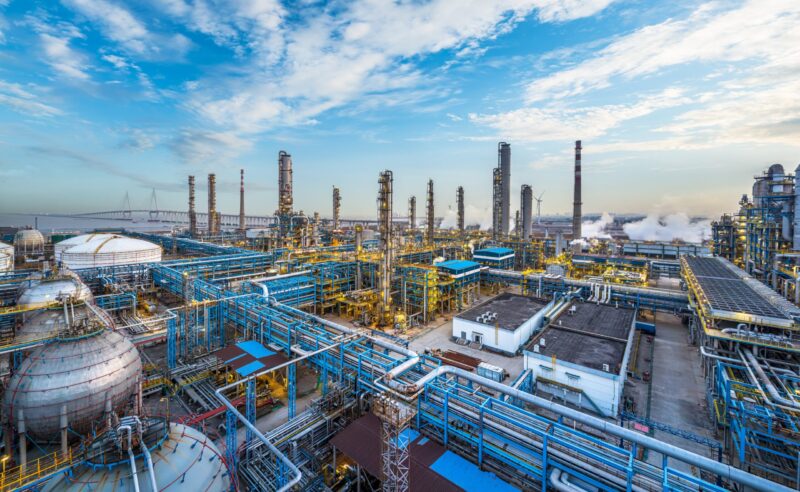
The Oil and Gas Services Equipment (OGSE) sector remains a key driver of Malaysia’s growth, contributing between 5% and 8% to the national GDP. In 2023, the sector recorded its highest revenue at RM83.9 billion, underscoring its resilience and importance in the economy. The ecosystem comprises more than 4,000 vendors and employs over 59,000 skilled workers, with the majority being local SMEs. At the heart of the ecosystem is PETRONAS, whose capital and operational spending continues to shape industry dynamics, together with other long-standing upstream players in the country such as Shell and ExxonMobil. Their investments in complex upstream projects create significant opportunities for local OGSE companies as well as niche foreign service providers.
Over the years, Malaysia’s oil & gas sector has seen growing participation from foreign niche service providers offering specialised subsea and well intervention services, driven by the country’s need for global expertise and cutting-edge technology as well as reliable equipment to support offshore projects and revive aging oil fields. These providers help bridge gaps in local capabilities and infrastructure. As Malaysia pursues its net-zero emissions goal by 2050, this collaboration is becoming even more critical, with the OGSE ecosystem entering a transformative era fuelled by innovation, strategic partnerships, and the global shift toward cleaner energy.
Global OGSE companies such as Baker Hughes, McDermott, and Allseas assume complementary and strategic roles in supporting Malaysia’s upstream oil and gas sector. Each brings specialised expertise that enhances the country’s technical capacit and operational excellence:
Companies such as McDermott and Baker Hughes, which have established a longstanding presence in Malaysia, are among the growing number of multinational corporations (MNCs) in the oil and gas services equipment (OGSE) sector that have chosen the country as their preferred location to establish a strategic hub to coordinate high-value regional operations.
These companies are progressively transforming their global business models to more efficiently oversee and support networks of subsidiaries and affiliates across multiple countries. This positions Malaysia as a prime launch pad into the Asia-Pacific (APAC) region and beyond. This trend aligns well with the Government’s aspirations under the Twelfth Malaysia Plan, which aims to transition the nation towards a knowledge-based economy by promoting the export of higher value-added services by positioning Malaysia in competition with traditional headquarter hub jurisdictions such as Singapore and Hong Kong.
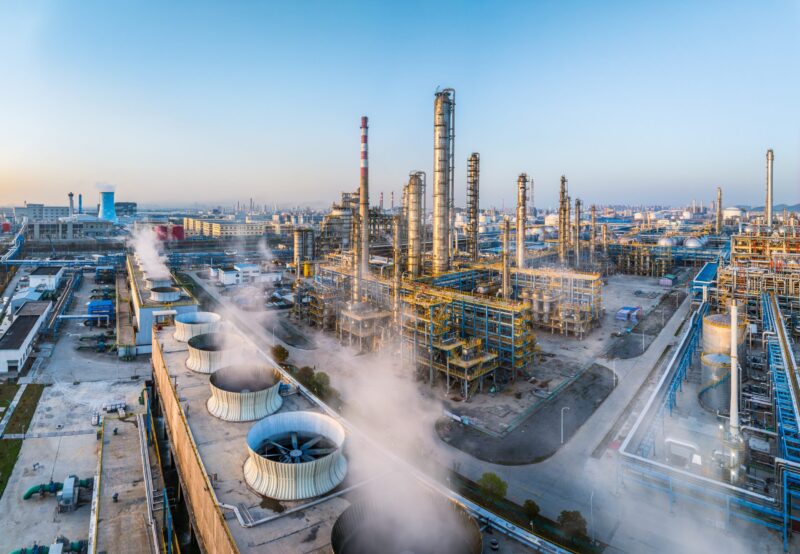
Further supporting this development, the Malaysian Government introduced the Global Services Hub (GS-Hub) Tax Incentive Scheme under Budget 2024. This scheme was designed to entice MNCs that use Malaysia as a base for high-value services such as risk management and strategic decision-making to serve their network of subsidiaries in the region or beyond. The GS-Hub scheme adopts an outcome-based approach, offering tax exemptions on qualifying service and trading income, along with a preferential tax rate for up to 10 years. Additionally, non-citizen individuals holding C-suite positions may benefit from a reduced personal income tax rate for three consecutive years.
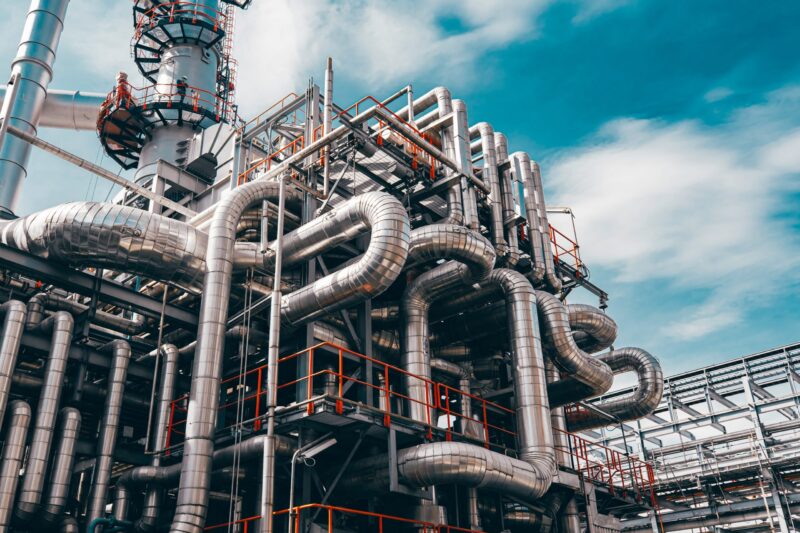
Malaysia’s oil and gas sector remains a cornerstone of the national economy, with the OGSE ecosystem playing a vital role in supporting upstream development, advancing energy transition efforts, and driving innovation. The active participation of global players reflects sustained investor confidence in Malaysia’s strategic position, infrastructure, and talent. Through supportive initiatives like the GS Hub Scheme, the country continues to strengthen its role as a regional base for high-value services and complex energy operations. As Malaysia progresses toward its 2050 net-zero target, ongoing collaboration between local and international OGSE stakeholders will be essential in shaping a resilient, future-ready energy landscape. For more information on Global Services (GS) Hub Scheme, contact Business Services and Regional Operations Division at https://www.mida.gov.my/staffdirectory/business-services-and-regional-operations-division/
Explore other related content to further
explore MIDA’s insights.