

|


|

This site
is mobile
responsive

An agricultural region’s competitiveness is determined not only by how much food it produces, but also by how effectively that production is connected to technology, processing, logistics and markets. For the East Coast Economic Region (ECER), this is an opportunity to build on its established agricultural base and attract investment across the wider food value chain.
The East Coast Economic Region Development Council (ECERDC) is working to position ECER as Malaysia’s national food production hub by facilitating private investment in commercial food production and related activities. These opportunities extend beyond primary agriculture to include processing, packaging, cold-chain logistics and distribution, serving both domestic and export markets.
Under the ECER Development Plan 2026–2030 (EDP 2030), the Food Security thrust focuses on diversifying crop, livestock and fisheries production while strengthening downstream value creation. Private investment is central to this direction, bringing capital, technology and operational expertise to commercial ventures. Through investment facilitation and collaboration with government and industry partners, ECERDC seeks to support a more integrated food production ecosystem, strengthen agrifood value chains and improve supply-chain resilience.
ECER’s established agricultural base provides a strong foundation for development across the wider agri-food economy. With more than half of Malaysia’s produce grown in the region, there is scope to capture more value from existing production through improved productivity, processing, storage, distribution and market access.
This direction aligns with the wider development of Malaysia’s evolving industrial landscape under the New Industrial Master Plan (NIMP) 2030, which emphasises greater economic complexity, higher-value activities and stronger domestic linkages. With food processing among the sectors covered under NIMP 2030, strengthening connections between ECER’s agricultural base and downstream activities can create further avenues for value creation in the region.
ECERDC has identified three priority areas for food production: crops, dairy and beef, and aquaculture. Each presents opportunities at different points of the food economy, from agricultural technology and inputs to mechanisation, processing, packaging, animal feed, cold-chain facilities and export-oriented food manufacturing.
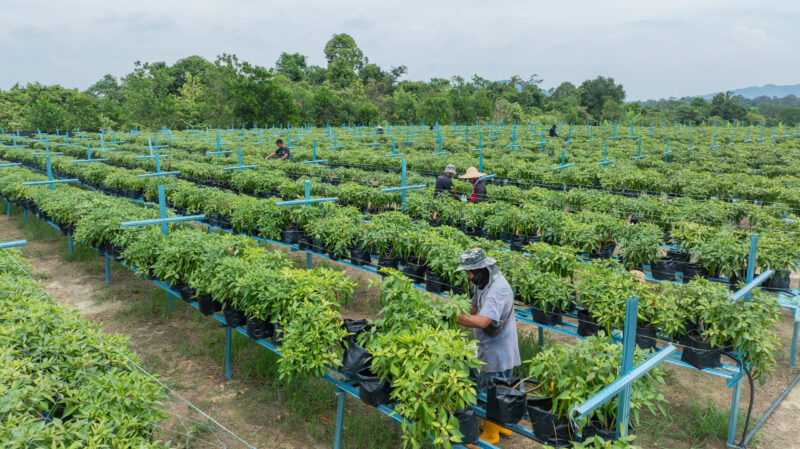
In crops, modern agriculture is envisaged across 17,500 hectares, supported by technologies such as fertigation and greenhouse cultivation to improve productivity and production consistency. The programme targets up to 310,000 tonnes of crop production, with opportunities extending into downstream processing and exports. By 2030, the initiative is expected to generate RM4.6 billion in private investment and contribute an estimated RM4.9 billion to gross domestic product (GDP).
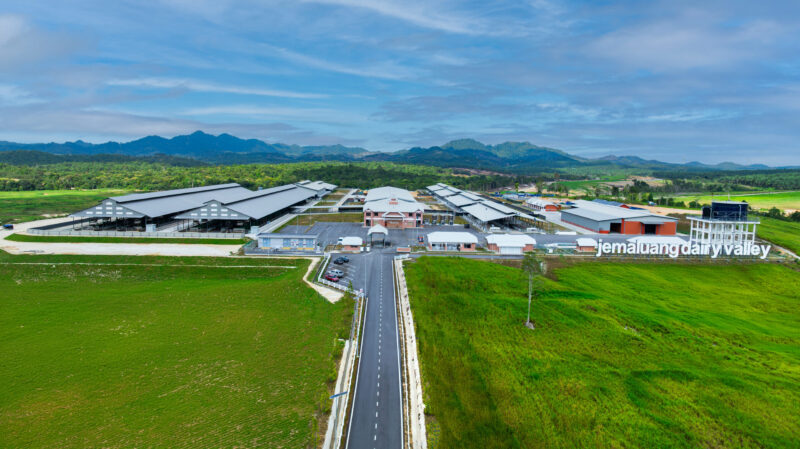
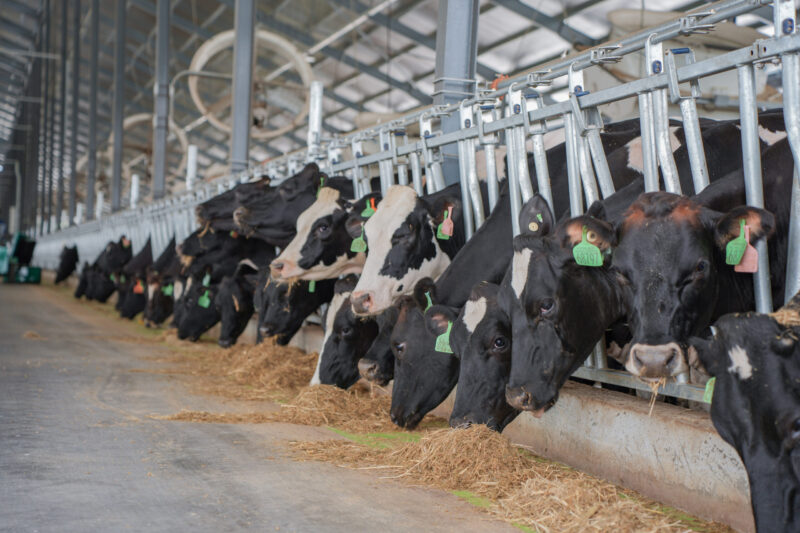
In livestock, planned projects target 14 million litres of fresh milk by 2030 and 850 tonnes of meat by 2033, supported by RM470 million in private investment. The opportunity extends into areas such as animal feed, processing and related supply-chain infrastructure.
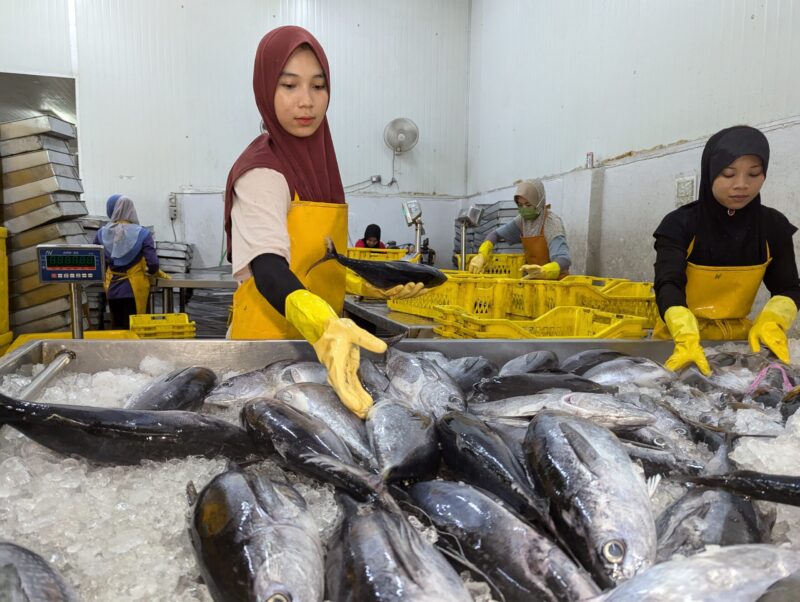
Meanwhile, aquaculture projects are expected to attract RM1.2 billion in private investment and produce around 30,000 tonnes of fish, creating scope for investment in production, processing, cold-chain management and distribution.
These opportunities are particularly relevant to Malaysia’s efforts to strengthen domestic food supply, especially in segments where self-sufficiency levels (SSL) remain relatively low. In ECER, there is potential to increase production of commodities such as chilli, ginger, beef and fresh milk. For investors, this creates an opportunity to serve established domestic demand while building commercially scalable operations for both domestic and export markets.
Turning production into a competitive food economy requires more than additional capacity at the farm or production site. It also depends on infrastructure that allows products to be collected, stored, processed and moved efficiently.
ECER’s agricultural base is complemented by industrial parks, transport infrastructure, ports and an expanding logistics network, providing a foundation for connecting production centres with processors, distributors and markets.
Connectivity is particularly important for perishable products, where transportation time, storage conditions and temperature control can influence product quality and commercial viability. The East Coast Rail Link (ECRL) is expected to strengthen connections between the East and West Coasts, including links involving Kuantan Port and Port Klang.
Alongside highways, ports, airports and existing industrial infrastructure, improved connectivity can support the movement of agricultural products and processed food from production areas to processing facilities and distribution networks, as well as to domestic and international markets.
For investors, the opportunity extends beyond food production to the supporting infrastructure and services needed to operate at greater scale and reach markets more efficiently.
The food economy offers multiple entry points for private investment, with opportunities extending from upstream production to midstream processing and downstream distribution.
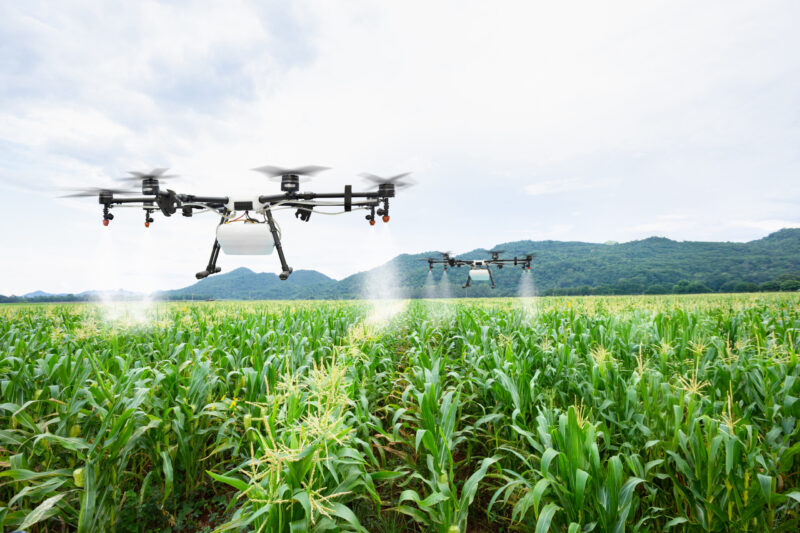
Upstream opportunities include smart and precision agriculture, agricultural inputs, mechanisation, fertigation, greenhouse cultivation and integrated farming systems. These activities can support improvements in productivity, resource efficiency, production consistency and scalability.
Midstream opportunities focus on the infrastructure and activities needed to convert agricultural output into higher-value products. These include aggregation, storage, cold-chain facilities, food processing, packaging, food ingredients and animal feed. Investment in these areas can help connect producers with processors, improve post-harvest handling and enable agricultural commodities to be developed into products with longer shelf lives, stronger market positioning and greater commercial value.
Downstream opportunities include food distribution, export-oriented food manufacturing and halal food products. Stronger connectivity and processing capabilities can support access to Malaysia’s major consumption centres while creating opportunities to serve regional and international markets.
Together, these activities can connect farms with processors, technology providers, logistics operators and manufacturers, creating a more integrated food economy and supporting the wider direction of NIMP 2030 towards stronger value chains and higher-value activities.
Improving Malaysia’s self-sufficiency levels remains an important consideration, particularly for food categories where domestic supply does not fully meet demand. However, the commercial opportunity extends beyond increasing production volumes.
A stronger domestic production base can support investment in processing, logistics and cold-chain infrastructure, while modern farming technologies can improve productivity, efficiency and scale. When developed together, these capabilities can help reduce reliance on imports in selected segments and create opportunities for higher-value products serving both domestic and export markets.
This approach reflects the wider direction of ECERDC’s investment agenda, which targets RM55 billion in realised private investment by 2030 as the region works towards a RM225 billion economy.
For ECER, the opportunity goes beyond producing more food. It is about building the capabilities that can take the region’s agricultural strengths further — from modern farming and processing to logistics, manufacturing and market access. This creates opportunities for investors to participate in a growing food economy and capture value across a broader ecosystem.
Investors exploring Malaysia’s food economy can connect with ECERDC to discover opportunities across the region and discuss how their projects can be facilitated. Contact ECERDC at +603 8885 0066 or [email protected] or visit www.ecerdc.com.my to learn more.
Explore other related content to further
explore MIDA’s insights.


