


|


|

This site
is mobile
responsive
The Changing Global Tourism Landscape
The Strait of Hormuz remains an important global energy and trade route. Recent disruptions have driven up energy prices, increased transportation costs, disrupted supply chains and impacted international travel. For the tourism industry, the effects have been most visible in the form of rerouted flights, longer travel times and higher fuel costs, particularly on routes between Asia and Europe.
Despite these challenges, global tourism has continued to demonstrate resilience. According to UN Tourism, around 690 million international tourists travelled between January and June 2026, around 3 million more than during the same period in 2025. International arrivals grew by 2% in the first quarter before declining by 1% in the second quarter, reflecting the impact of geopolitical tensions, weaker travel demand, and disruptions to air connectivity.
South-East Asia recorded fewer international arrivals in June 2026, reflecting softer demand from key Asian markets amid geopolitical uncertainties and rising travel costs. Nevertheless, the changing travel environment is also creating opportunities as travellers increasingly prioritise convenience and value for money.
Destinations with strong connectivity, competitive pricing, quality infrastructure and diverse tourism offerings are therefore well positioned to benefit from these evolving travel preferences. For Malaysia, these trends present an opportunity to strengthen its appeal as an accessible, affordable and well-connected tourism destination.
Malaysia’s tourism performance has remained positive despite the challenging global environment. International visitor arrivals increased by 2.5% to 21.1 million between January and June 2026, compared with 20.6 million in the corresponding period in 2025. Domestic tourism has also provided an important buffer, with 151.6 million domestic visitor trips recordedin the first half of 2026, while domestic tourism expenditure reached RM66.8 billion.
Malaysia’s tourism competitiveness has also improved. The World Economic Forum’s Travel & Tourism Development Index (TTDI) 2026 recorded a 5.8% improvement in Malaysia’s score between 2024 and 2026, placing the country among the world’s fastest-improving travel and tourism economies. Malaysia was also among the fastest-improving economies in the Asia-Pacific region.
These developments demonstrate Malaysia’s ability to remain attractive to international and domestic travellers despite global uncertainties. Its diversified source markets, strong domestic tourism base, regional connectivity and broad tourism offerings provide a foundation for sustained growth and greater resilience against global travel disruptions.
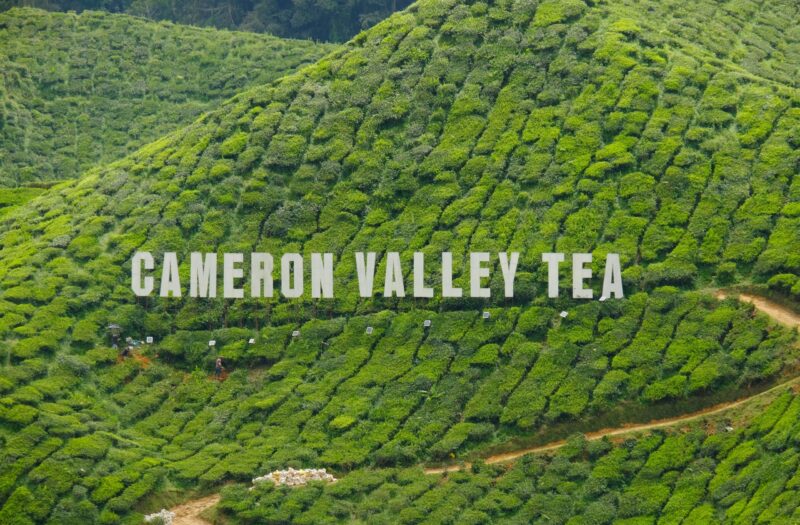
Recognising the need to sustain this momentum, the Government has extended the Visit Malaysia Year 2026 (VM2026) campaign into 2027, rebranding it as Visit Malaysia 2026–2027 (VM2026–2027). This extension provides more time to strengthen Malaysia’s international visibility, sustain visitor interest and respond to evolving travel patterns.
Several developments are expected to support this momentum. Visa facilitation remains important in making travel to Malaysia easier, particularly for key source markets such as China and India. Continued efforts to reduce barriers to travel and strengthen market-specific promotion will help Malaysia remain competitive as regional travel demand evolves.
Malaysia has also continued to strengthen international air connectivity throughout 2026. New and resumed direct flight services have expanded access to key markets, including Fukuoka, Hefei, Nanjing and Shanghai, while new services to Batam and Colombo have strengthened regional and South Asian connectivity. These routes also encourage visitors to explore destinations beyond Kuala Lumpur, such as Penang and Sabah.
Major international events also play an important role in attracting visitors and stimulating economic activity. The Formula 1 Gulf Air Bahrain Grand Prix in Malaysia 2026, held at the Sepang International Circuit from 2–4 October 2026, helped raise Malaysia’s international visibility and generate visitor spending across accommodation, food and beverage, transportation, retail and entertainment.
Looking ahead, the Langkawi International Maritime and Aerospace Exhibition (LIMA) 2027, scheduled for 20–24 April 2027, and the 34th SEA Games, scheduled for 18–29 September 2027, are expected to further reinforce Malaysia’s appeal as a regional destination for international events. Together with established trade shows such as the Malaysia International Halal Showcase (MIHAS), these events support business travel, facilitate international networking and commercial partnerships, creating opportunities across the tourism, hospitality and related service industries.
The East Coast Rail Link (ECRL) is another potential catalyst for tourism and investment growth. The first phase, linking Kota Bharu and Gombak, is expected to begin passenger operations by 12 December 2026, or earlier, and will enhance connectivity and reduce travel times between the Greater Klang Valley and the East Coast states of Pahang, Terengganu and Kelantan. Improved accessibility is expected to support tourism development, attract more visitors and unlock investment opportunities along the corridor. Complementing this, the Economic Accelerator Projects (EAP) along the ECRL corridor aim to attract domestic and foreign investments in industrial parks, commercial developments, and tourism projects, creating new economic opportunities for businesses and local communities.
Malaysia’s position as a leading Muslim-friendly destination further strengthens its tourism appeal. Malaysia was ranked the world’s No. 1 Muslim-friendly destination among Organisation of Islamic Cooperation (OIC) countries for the 11th consecutive year in the Global Muslim Travel Index 2026. In 2025, Malaysia recorded 9.7 million Muslim visitor arrivals, while 30,257 visitors from Gulf Cooperation Council (GCC) countries arrived between January and June 2026.
Supported by its halal ecosystem, prayer facilities, family-friendly attractions and competitive travel offerings, Malaysia is well-positioned to attract a broader range of Muslim travellers, including those from the Middle East. This also presents opportunities for investment in hotels, resorts, wellness facilities, and tourism-related services.
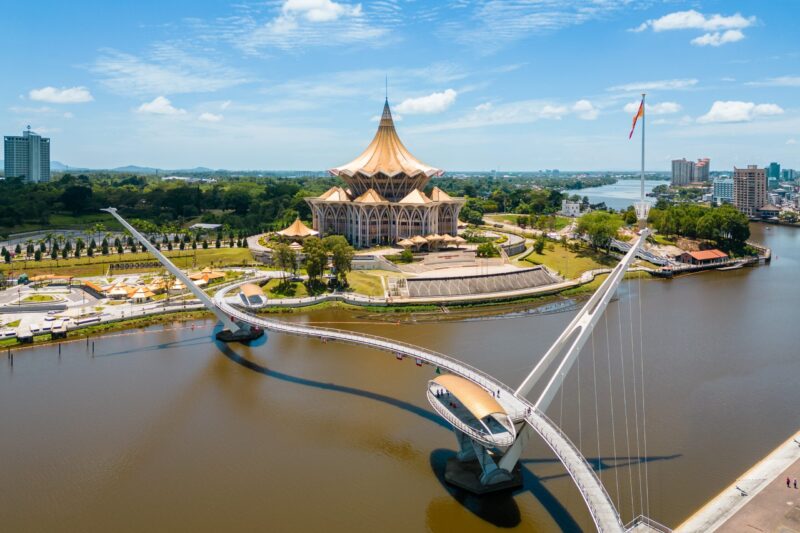
The extension of Visit Malaysia 2026 to 2027 presents opportunities not only to attract more visitors but also to encourage investment in Malaysia’s hospitality and tourism infrastructure. As travellers increasingly seek value, convenience and diverse experiences, hotel operators can enhance existing properties through expansion, modernisation and refurbishment, while upgrading facilities and services to meet changing visitor expectations.
Changing travel preferences also highlight the importance of diversifying hotel offerings beyond accommodation. Hotels and resorts can strengthen their competitiveness by introducing complementary attractions and experiences, including wellness and spa facilities, indoor theme parks, family entertainment, indoor recreational attractions and staycation packages. These investments can create additional revenue streams, enhance visitor experiences, and encourage longer stays.
Beyond upgrading the existing facilities, there are opportunities for new investments in hotel and resort developments, integrated tourism projects, theme parks and attractions, eco-tourism and wellness destinations, and experiential tourism projects. Locations benefiting from improved air connectivity, major events and infrastructure such as the ECRL may be particularly well-positioned to attract more visitors and new tourism investments.
Together, sustained tourism promotion, improved connectivity, major events and infrastructure development create a stronger foundation for long-term investment in the sector. The Visit Malaysia 2026–2027 campaign should therefore be viewed not merely as a promotional initiative, but as a catalyst for expanding Malaysia’s tourism value chain, strengthening the hospitality sector’s capacity, and encouraging greater private sector participation.
The Government remains committed to supporting investment through dedicated project facilitation and targeted fiscal incentives for eligible hospitality and tourism projects. These include Pioneer Status (PS) and Investment Tax Allowance (ITA), alongside the Automation Capital Allowance (Automation CA), which supports businesses in adopting automation and Industry 4.0 technologies to improve productivity and operational efficiency
As Malaysia’s principal investment promotion agency, MIDA continues to facilitate investment in the hospitality and tourism sectors, working closely with relevant stakeholders to support project implementation and strengthen the industry’s long-term competitiveness.
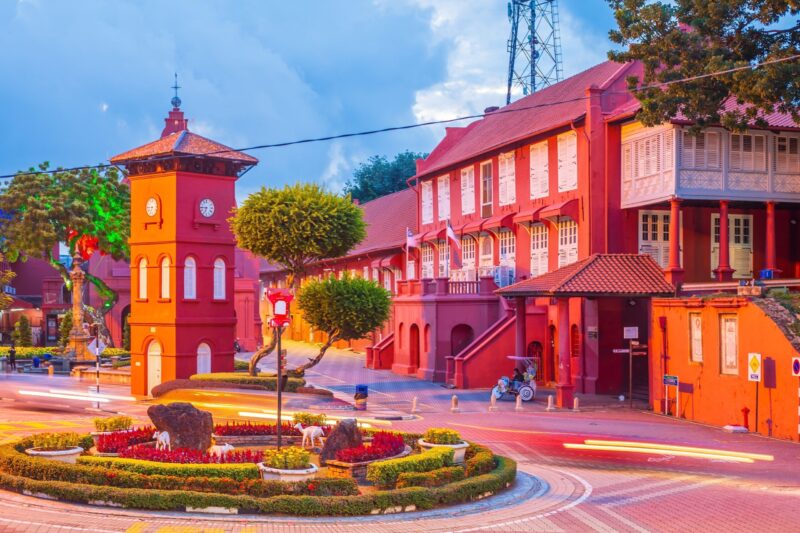
Recent global travel disruptions highlight the importance of building a resilient tourism industry supported by diverse visitor markets, strong infrastructure and the ability to adapt to changing travel preferences.
For Malaysia, Visit Malaysia 2026–2027 provides an opportunity to build on its tourism momentum as global travel patterns evolve. Combined with expanding connectivity, visa facilitation, major international events and new infrastructure such as the ECRL, the extended campaign can help strengthen tourism demand and support investment across related industries.
For investors, the opportunity extends beyond short-term growth in visitor numbers. Continued investment in hotels and resorts, attractions, wellness, healthcare, experiential and destination-based tourism can support a more diversified, resilient, and competitive hospitality ecosystem.
Through sustained collaboration between the Government, industry players, and investors, Malaysia is well-positioned to translate tourism growth into long-term economic value, quality employment opportunities, and broader participation across the tourism supply chain.
Explore other related content to further
explore MIDA’s insights.


