


|


|

This site
is mobile
responsive
Artificial intelligence (AI), advanced computing and next-generation mobility technologies are rapidly reshaping the global semiconductor industry. As technology becomes more complex, competitive advantage is increasingly determined not by individual companies, but by the strengths of entire ecosystems.
For Malaysia, this presents a timely opportunity to move beyond manufacturing excellence and strengthen its position across higher-value segments of the semiconductor value chain.
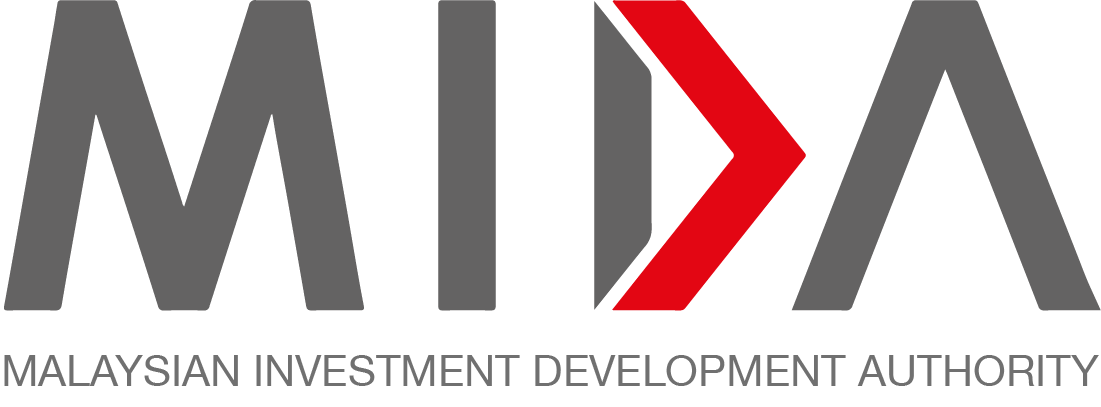
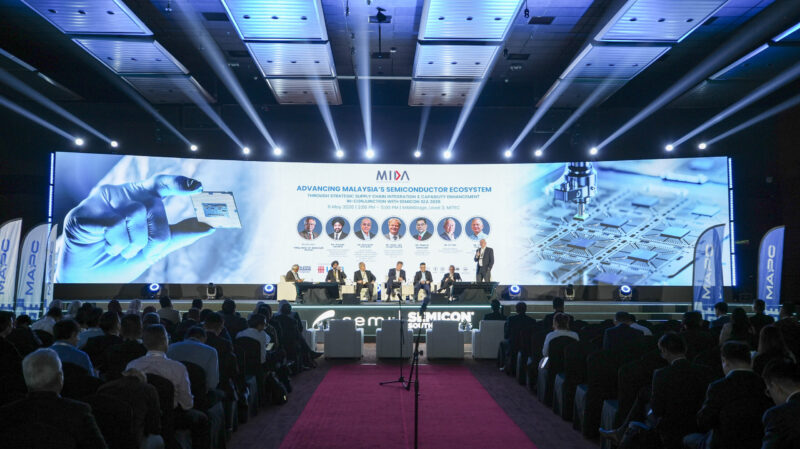
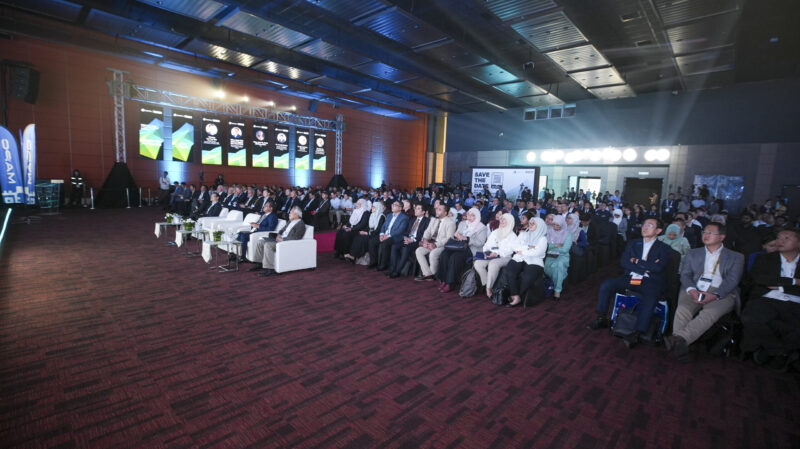
These themes took centre stage during the Strategic Panel Session, Advancing Malaysia’s Semiconductor Ecosystem Through Strategic Supply Chain Integration & Capability Enhancement, held in conjunction with SEMICON SEA 2026. Moderated by YBhg. Dato’ Dr. Mohd Sofi Osman, the session brought together leading voices across the semiconductor value chain, including:
Collectively, the panellists offered valuable perspectives on how Malaysia can strengthen its position within an increasingly complex and technology-driven semiconductor landscape.
The rise of AI is fundamentally reshaping global demand for semiconductors. From data centres and cloud computing to autonomous systems and advanced electronics, the need for higher-performance chips, greater computing power and larger memory capacity continues to accelerate.
Beyond technological advancement, global semiconductor supply chains are increasingly being shaped by resilience considerations. Recent disruptions, geopolitical tensions and efforts by major economies to diversify production have heightened the importance of trusted manufacturing locations and reliable supplier ecosystems.
Malaysia’s established reputation as a stable and reliable semiconductor hub positions the country perfectly to capture rising investment opportunities and supply chain diversification.
According to Micron Memory Malaysia, Malaysia is already assuming an important role in supporting this global transformation. The company produces advanced memory and storage solutions used in AI-related applications while maintaining strong linkages with local suppliers through procurement, ecosystem development and supply chain partnerships.
This reflects the broader multiplier effect of multinational investments in Malaysia.
Beyond creating jobs and expanding production capacity, global companies also contribute to technology transfer, supplier development and ecosystem strengthening, helping local businesses integrate into increasingly sophisticated value chains.
The country has long established itself as a trusted semiconductor manufacturing hub, supported by decades of industry experience, a skilled workforce and a mature supply chain ecosystem. However, the next phase of growth will increasingly depend on the country’s ability to move into higher-value activities.
Industry players highlighted the growing importance of automation, robotics, AI-enabled manufacturing and advanced process technologies in enhancing productivity and competitiveness. Rather than moving away from manufacturing, Malaysian companies must continue building upon their strengths while expanding into more sophisticated capabilities and value-added activities.
According to Inari Technology, this evolution requires greater adoption of autonomous manufacturing systems, advanced packaging participation and deeper integration with local suppliers. Similarly, Besi Apac emphasised that Malaysia’s strong talent pool, infrastructure, business-friendly environment and well-developed supply chain ecosystem continue to make the country an attractive destination for high-technology manufacturing and semiconductor equipment activities. Beyond manufacturing and packaging, semiconductor equipment represents another area of strategic opportunity. Building stronger local capabilities in equipment engineering, precision manufacturing and supporting technologies can create additional layers of value creation while enhancing the resilience of Malaysia’s broader semiconductor ecosystem.
These strengths have enabled the country to remain a key node within global semiconductor supply chains. The challenge now is to build on this foundation and capture greater value across the ecosystem.
As semiconductor technologies become increasingly complex, the greatest economic returns are accruing to companies and ecosystems involved in design, advanced manufacturing, packaging innovation, equipment development and intellectual property creation. Strengthening Malaysia’s participation in these segments will be critical to increasing domestic value capture and long-term industry competitiveness.
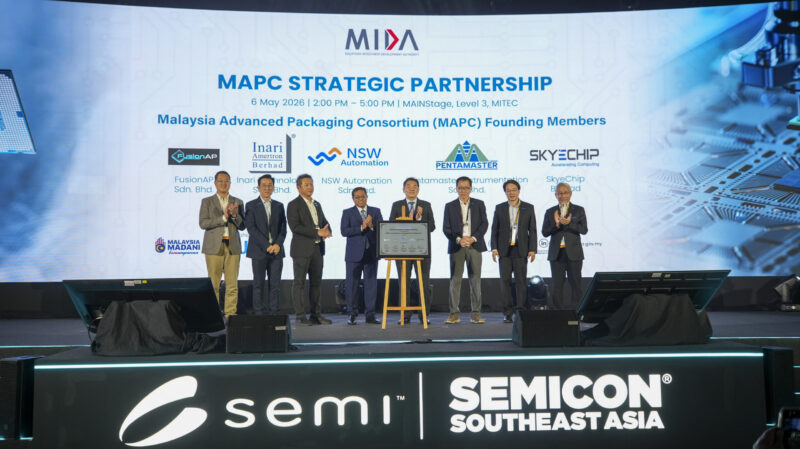
Among the strongest themes emerging from the discussion was the growing importance of advanced packaging, widely regarded as one of the most critical growth areas in the semiconductor industry.
Traditionally, semiconductor packaging involved integrating a single chip into a package. Today, technologies such as AI, electric vehicles (EVs), alternative energy systems and high-performance computing require increasingly sophisticated packaging solutions capable of integrating multiple chiplets into a single high-performance system.
As a result, advanced packaging is rapidly becoming a strategic differentiator within the semiconductor value chain.
Representatives from MAPC noted that while Malaysia has long been recognised for its strengths in conventional semiconductor packaging and testing, future competitiveness will depend on the industry’s ability to develop advanced packaging capabilities that support emerging technologies and next-generation applications.
Perhaps the most significant takeaway from the discussion was this: competition is no longer company versus company, but supply chain versus supply chain. Success increasingly depends on how effectively ecosystems can collaborate, innovate and respond to evolving market demands.
Malaysia’s established strengths in assembly, packaging and testing provide a natural foundation for advancing into higher-value packaging technologies. Unlike many emerging semiconductor segments that require entirely new ecosystems, advanced packaging allows Malaysia to leverage decades of accumulated expertise while progressively moving up the value chain.
Meeting these challenges requires a coordinated effort across industry, academia and government.
As the country advances its National Semiconductor Strategy (NSS), MIDA serves as a key enabler in strengthening ecosystem linkages, attracting strategic investments, supporting supplier development and fostering collaboration across industry, academia and government. These efforts are helping to accelerate capability upgrading while positioning Malaysia to compete more effectively in higher value semiconductor segments.
The formation of MAPC represents one example of how industry players are working together to strengthen Malaysia’s capabilities in advanced packaging. By bringing together companies with expertise spanning IC design, packaging, testing and equipment development, the consortium aims to accelerate capability building while fostering greater collaboration across the ecosystem.
The discussion also highlighted the importance of talent development and supplier readiness. As technologies become more complex and product cycles shorten, suppliers must meet increasingly demanding requirements for quality, consistency, resilience, speed and innovation.
Equally important is the need to accelerate technology adoption. Capabilities such as smart manufacturing, automation, AI-driven analytics and digital operations are rapidly becoming baseline requirements rather than competitive advantages.
For sectors such as automotive electronics, these trends present significant opportunities. Betamek highlighted the growing demand for EV controllers, telematics systems, safety technologies and smart mobility solutions, demonstrating how the broader domestic electronics ecosystem can support the future of transportation and connected mobility.
The priorities identified during the session closely align with the objectives of the country’s NSS, which seeks to strengthen its position across higher-value segments of the semiconductor value chain, including IC design, advanced packaging, semiconductor equipment and research and development.
Malaysia enters this next phase from a position of strength. The country has built a globally recognised semiconductor ecosystem over more than five decades, supported by strong industrial capabilities, experienced talent and long-standing investor confidence.
Yet maintaining competitiveness will require greater speed, deeper collaboration and a stronger focus on capability development. The opportunity is no longer simply to participate in global semiconductor supply chains, but to assume a larger, significant role in shaping them.
As the global semiconductor landscape continues to evolve, Malaysia’s future success will depend on its ability to deepen local participation, strengthen domestic champions and foster stronger ecosystem collaboration. Through strategic facilitation, industry partnerships and ecosystem-building initiatives, MIDA remains committed to supporting this transformation and ensuring Malaysia remains a competitive and trusted semiconductor hub.
Ultimately, technology investments can only be sustained by a pipeline of highly skilled talent. As demand grows for expertise in areas such as chip design, advanced packaging, automation engineering, AI applications and semiconductor equipment development, closer collaboration between industry, academia and training institutions will be essential to ensure workforce readiness.
The message from SEMICON SEA 2026 was clear: Malaysia possesses the industrial depth, talent base and ecosystem strengths required to compete at the highest levels of the semiconductor industry. The task ahead is to accelerate capability development, deepen ecosystem integration and strengthen participation in higher-value segments. Those that can move fastest in building resilient, innovation-driven supply chains will be best positioned to shape the future of the global semiconductor industry—and Malaysia has the opportunity to be among them.
In doing so, Malaysia stands to unlock far-reaching economic spill overs, from high-income job creation and deeper domestic industrial linkages to accelerated technology transfer and the emergence of homegrown champions, strengthening a manufacturing ecosystem capable of driving long-term prosperity well beyond the semiconductor sector itself.
Explore other related content to further
explore MIDA’s insights.