


|


|

This site
is mobile
responsive

Boeing’s decision to position Malaysia as a key aerospace hub in Asia reflects a deliberate, long-term investment strategy shaped by supply chain efficiency, cost optimisation, and access to fast-growing regional markets. As Southeast Asia’s aviation sector continues to expand, Malaysia is emerging as a key hub within Boeing’s global operations network.
A primary factor underpinning this decision is Malaysia’s strategic geographic location along major Asia-Pacific trade and logistics corridors. This facilitates stronger regional supply chain integration and enhances responsiveness to airline customers across high-growth markets. Through reduced lead times and improved operational efficiency, Malaysia functions as a key node for distribution, maintenance, and support services.
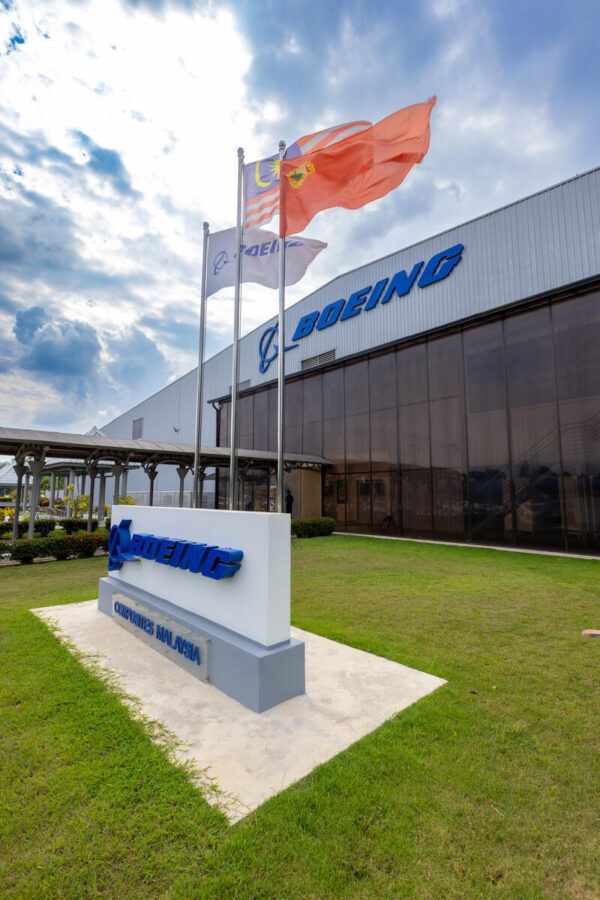
Cost competitiveness is a significant driver of this decision as Malaysia provides an optimal balance between operational cost efficiency and technical expertise, which enables Boeing to expand manufacturing activities while maintaining stringent quality and safety standards. This is especially evident in composite manufacturing and subassembly operations, where Boeing Composites Malaysia is a key contributor to the global production system.
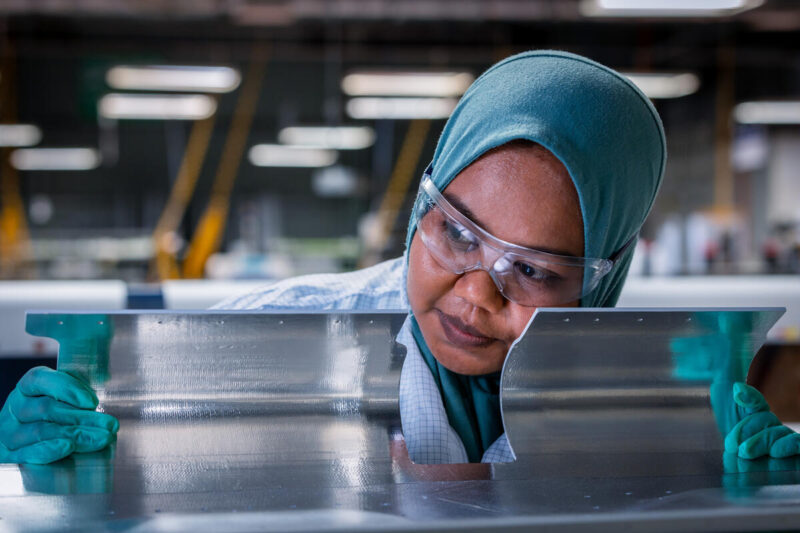

Malaysia’s robust human capital ecosystem further reinforces its appeal. A steady pipeline of skilled engineers and technicians, backed by targeted education and training initiatives, ensures workforce readiness. Collaborations with institutions such as Institut Kemahiran Belia Negara (IKBN) in Kedah and i-CATS University College in Sarawak help align capabilities with evolving aerospace demands, minimising skill gaps and driving sustained productivity.
The nation’s policy environment further reinforces its attractiveness. Strong institutional support from agencies such as the Ministry of Investment, Trade and Industry (MITI), MIDA, and the National Aerospace Industry Corporation Malaysia (NAICO), has created a stable and investor-friendly ecosystem. Supported by fiscal incentives, regulatory clarity, and coordinated national aerospace strategies, Malaysia offers a stable environment that reduces investment risk and enables long-term planning.
Malaysia’s increasingly mature aerospace supply chain ecosystem further strengthens its position. Local firms are progressively meeting international certification and compliance standards, facilitating deeper integration into Boeing’s global supplier network. This localisation strategy enhances supply chain resilience and supports risk diversification amid an increasingly complex global operating landscape.
Beyond immediate operational considerations, the country is positioned by Boeing as a platform for sustainable, long-term value creation. Strategic investments in workforce development, supplier capability enhancement, and community engagement initiatives, such as collaboration with the Asia Foundation, reflects its commitment to inclusive growth and socio-economic impact.
Together, Malaysia’s strategic location, cost competitiveness, skilled workforce, supportive policy framework, and evolving industrial ecosystem firmly establish Malaysia as a high-value aerospace hub in Asia. These enduring strengths continue to drive Boeing’s sustained investment and expansion, cementing Malaysia’s role in the global aerospace value chain.
Explore other related content to further
explore MIDA’s insights.