


|


|

This site
is mobile
responsive

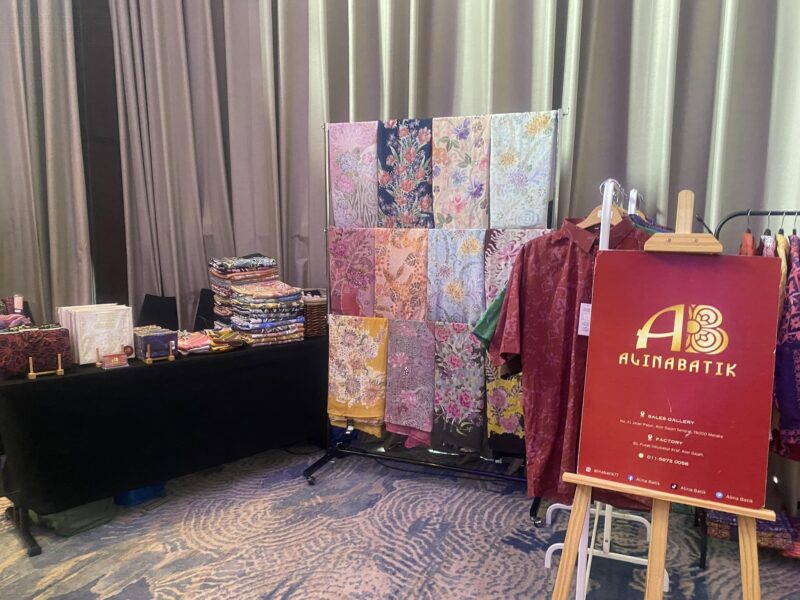
Founded under Legasi Sutera Emas, Alina Batik has grown from a small home-based operation in Melaka to an emerging leader in Malaysia’s batik industry. Today, it combines cultural heritage with sustainable practices anchored in Environmental, Social, and Governance (ESG) principles and Sustainable Development Goals (SDG) 17 partnerships. Through innovation, inclusive community programmes, and strong governance, Alina Batik empowers artisans, advances eco-friendly production methods, and delivers premium batik products for both local and global markets. Its achievements, capabilities, and proven collaborations place Alina Batik on a clear trajectory to position Malaysian batik as a sustainable and high-value creative industry.
Established in 2019, Alina Batik began with a strong passion for batik and entrepreneurship. Despite early challenges, the business persevered and grew. Today, Alina Batik supplies products across multiple platforms, from physical galleries and hotel collaborations with PARKROYAL A’Famosa Resort to corporate partnerships such as Batik Lestari at the Securities Commission Malaysia, and global marketplaces including eBay. With its four batik product segments—KANDA (menswear), DINDA (womenswear), Melakar Memori (learning and DIY batik experiences), and Ole-Ole (Corporate Gifts), Alina Batik balances tradition with modern innovation.
Alina Batik practices proper premises housekeeping by separating wet and dry production areas, installing good ventilation, adopting water efficiency measures, optimising waste recovery and integrating eco-friendly design innovations that contribute to greener production. The company actively engages women, single mothers, rural artisans, and persons with disabilities (OKU) in training and production, ensuring inclusive growth within the community. Through transparent operations, ethical supply chain practices, and the use of IP-based frameworks for batik-making, Alina Batik reinforces accountability and long-term business resilience.
According to Dr. Mislina Atan, founder of Alina Batik, the company has established partnerships with both public and private sectors, local and international institutions, and several non-governmental organisations. These collaborations expand market reach, strengthen artisan ecosystems, and enhance Malaysia’s cultural diplomacy through batik.
Recognised by the Ministry of Entrepreneur and Cooperatives Development (KUSKOP) as a Social Enterprise Basic, Alina Batik demonstrates a strong commitment to social empowerment. Programmes such as Batik Tuah & Teja, Jelita TVET Batik courses, Rebung Bidara and Ole-Ole showcase its efforts in preserving the heritage through knowledge and skill transfer, youth empowerment, and social inclusion. These initiatives ensure that vulnerable groups including low-income families and marginalised youth, can have equal opportunity and benefit directly from Malaysia’s growing cultural economy.
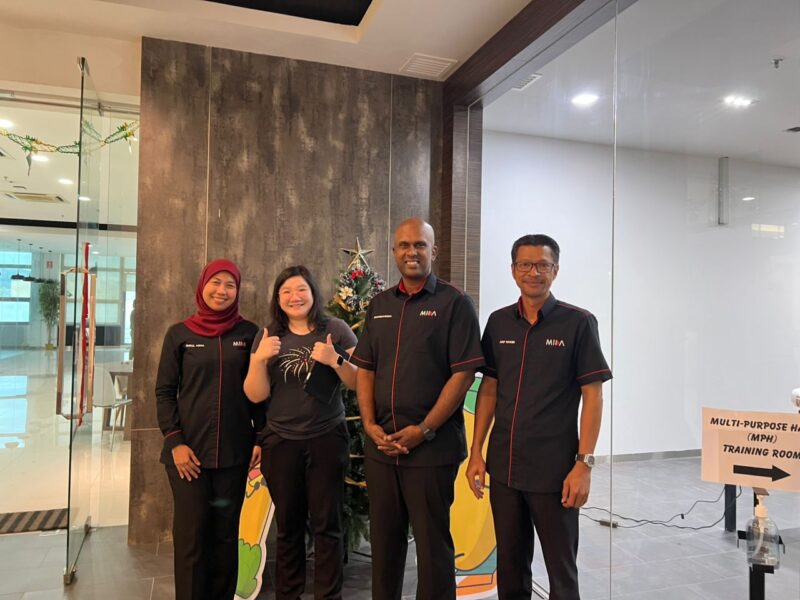
Mohammad Bakhtiar, Operations Manager at Alina Batik, has set on a clear growth roadmap. The company will expand ESG-compliant production facilities while maintaining authentic artistry. It will scale exports to several countries with sustainable branding, ensuring Malaysian batik is positioned as a premium product in international markets. At the same time, Alina Batik plans to develop a dedicated Batik Innovation Lab that focuses on green and lean manufacturing and sustainable community programmes. The company will also strengthen artisan hubs nationwide, creating new job opportunities while preserving Malaysia’s cultural heritage.
Alina Batik exemplifies how a heritage enterprise can evolve into a modern, sustainable brand. With a clear mission, strong partnerships, and alignment with ESG and SDG 17, the company contributes not only to Malaysia’s cultural preservation but also to its future as a global player in sustainable creative industries.
MIDA plays an important role in supporting the advancement of the Malaysian batik industry by facilitating its transition from a traditional craft-based sector into a high-value and sustainable creative industry. Through strategic facilitation and targeted incentives, MIDA promotes design innovation, production efficiency, and market expansion, while preserving the cultural heritage that defines Malaysian batik. This approach aligns with the New Industrial Master Plan 2030 (NIMP 2030), which prioritises increased economic complexity and the integration of ESG principles across the manufacturing and services sectors.
The Government offers a wide range of incentives for textile industry players, including:

Explore other related content to further
explore MIDA’s insights.


